The Cold War was a period of global tension that followed World War II. It mainly involved two groups of countries. One group was led by the United States. The other group was led by the Soviet Union. These groups had very different political and economic systems. Politics means how a country is governed. Economics means how goods and money are produced and shared.
The Cold War is called “cold” because the main sides did not fight each other directly in a full war. Instead, they competed in other ways. These included military build-up, political pressure, and influence over other countries. Both sides developed large numbers of weapons. Many of these weapons were nuclear weapons, which use energy from atoms and can cause massive destruction.
One major part of the Cold War was the formation of alliances. An alliance is a group of countries that agree to help each other. The United States and its allies formed the North Atlantic Treaty Organization, known as NATO. The Soviet Union and its allies formed a group called the Warsaw Pact. These alliances increased division between the two sides.
The Cold War also involved conflicts in other countries. These are often called proxy wars. A proxy war is a conflict where larger powers support different sides without fighting directly. Examples include the Korean War and the Vietnam War. In these wars, local forces fought while receiving help from either the United States or the Soviet Union.
Another important part of the Cold War was competition in science and technology. This included the Space Race. The Space Race was a competition to achieve goals in space exploration. In 1957, the Soviet Union launched Sputnik, the first artificial satellite. In 1969, the United States landed astronauts on the Moon. These events were seen as signs of national strength.
The Cold War ended near the end of the 20th century. Economic problems and political changes weakened the Soviet Union. In 1991, the Soviet Union officially dissolved, meaning it broke apart into separate countries. This event is usually seen as the end of the Cold War. The period remains important for understanding modern international relations.
Cold War
Level
readlittle.com
Global tension after World War II
What We Can Learn
- The Cold War lasted from about 1947 to 1991
- It involved tension between the United States and Soviet Union
- Nuclear weapons played a major role
- It ended with the collapse of the Soviet Union
Related Reads
Henry Kissinger
American diplomat and foreign policy leader
Cuban Missile Crisis
Cold War nuclear standoff in 1962
Second Opium War
Renewed conflict between China and Western powers
Columbian exchange
Global sharing after Atlantic contact
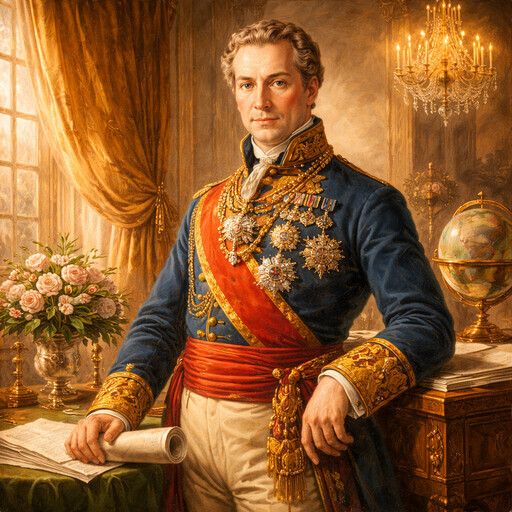
Klemens von Metternich
Austrian statesman and European diplomat
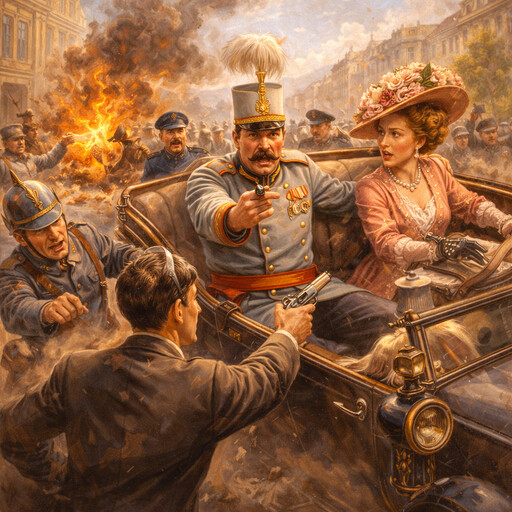
July Crisis
Diplomatic crisis before World War I
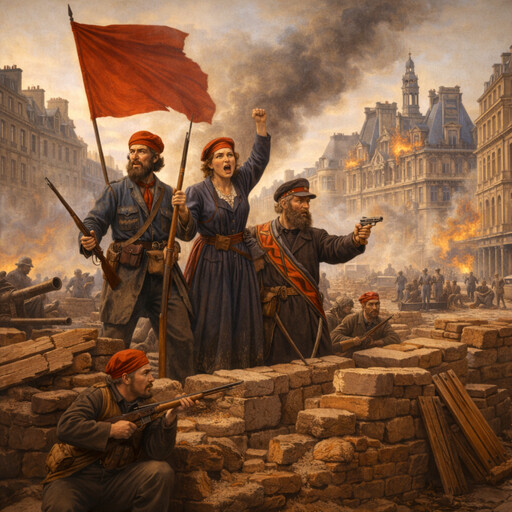
Paris Commune
Short-lived government in Paris, 1871
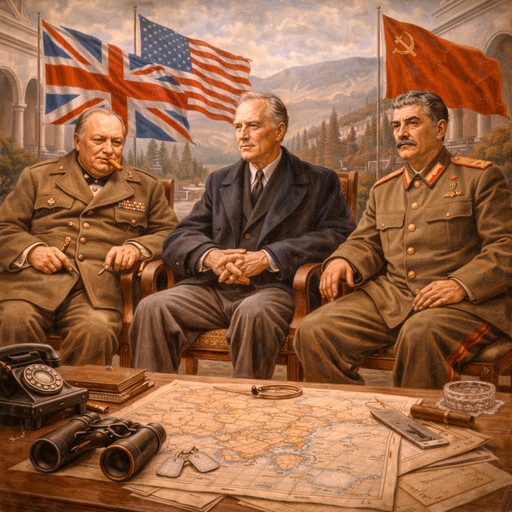
Yalta Conference
Allied meeting near the end of World War II
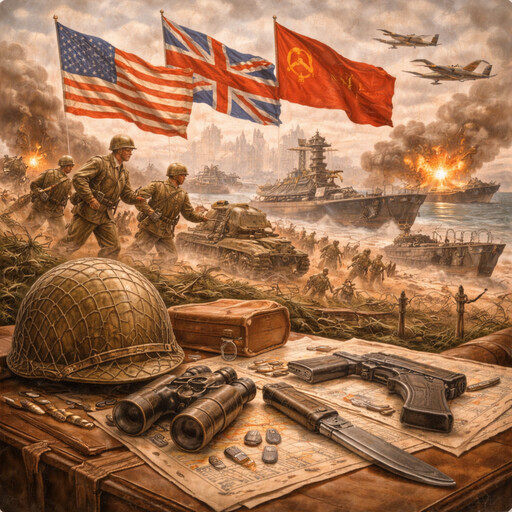
World War II
Global war from 1939 to 1945
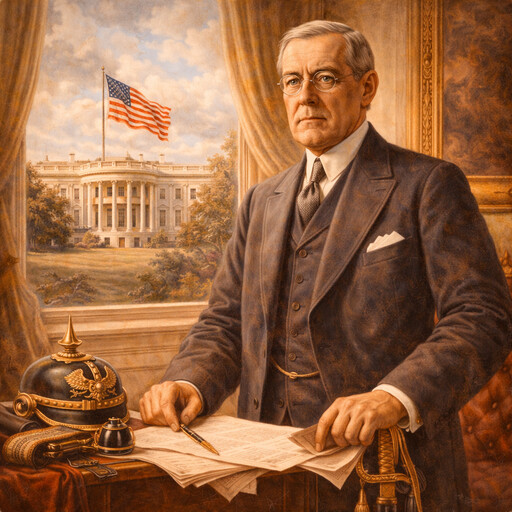
Woodrow Wilson
U.S. president during World War I
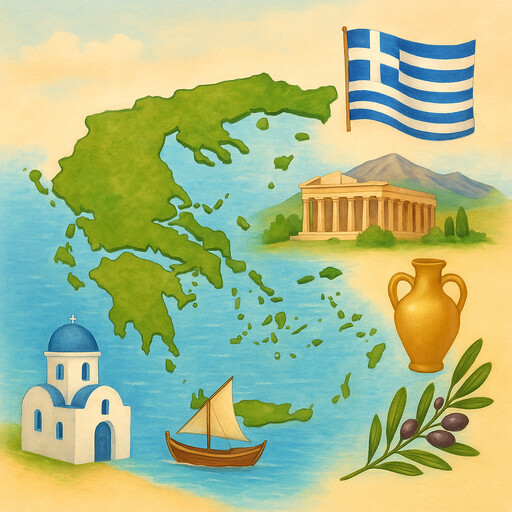
Greece
Mediterranean crossroads of islands and democracy
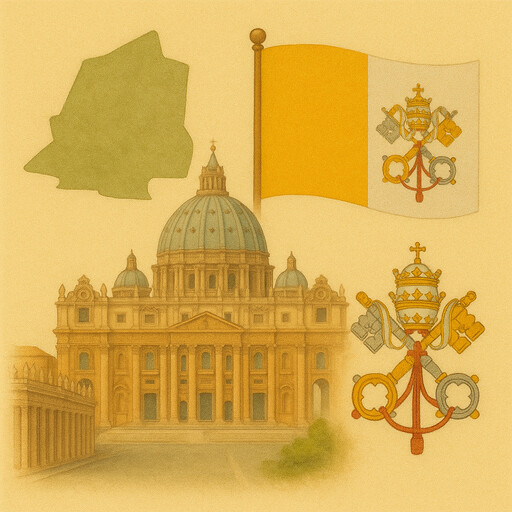
Vatican City
Smallest state on the Tiber