The Cuban Missile Crisis was a major international crisis that took place in October 1962. It happened during the Cold War, a long period of tension between the United States and the Soviet Union. The crisis began when the United States found that the Soviet Union was placing nuclear missiles in Cuba. Nuclear missiles are weapons that can cause very large explosions. Cuba is an island country located close to the southern coast of the United States. The discovery caused strong concern because the missiles could reach many American cities.
At that time, the leader of the United States was President John F. Kennedy. The leader of the Soviet Union was Nikita Khrushchev. Cuba was led by Fidel Castro. Cuba and the Soviet Union were allies. The Soviet Union wanted to place missiles in Cuba to protect it and to balance American missiles that were already placed in Europe. These actions increased fear and tension between the two major powers.
The United States discovered the missiles using photographs taken by spy planes. After seeing the evidence, President Kennedy met with his advisors. They discussed possible responses. Some options included air strikes or an invasion of Cuba. Another option was a naval blockade. A blockade is an action that stops ships from entering or leaving an area. President Kennedy chose a blockade, which he called a "quarantine," to prevent more missiles from arriving.
American naval ships surrounded Cuba to stop Soviet ships. This created a dangerous situation. If ships from both sides met, fighting could begin. For several days, the world watched closely. Many people feared that the crisis could lead to nuclear war. A nuclear war is a war involving nuclear weapons, which could cause widespread destruction.
During the crisis, President Kennedy and Premier Khrushchev exchanged messages. These messages were important for communication. Khrushchev first offered to remove the missiles if the United States promised not to invade Cuba. Later, he added another condition. He asked that American missiles be removed from Turkey. Turkey was a country where the United States had placed its own nuclear missiles.
After careful discussion, the United States agreed to these terms. The Soviet Union removed its missiles from Cuba. In return, the United States promised not to invade Cuba and later removed its missiles from Turkey. The agreement ended the crisis. The resolution showed the importance of communication between nations during tense situations.
After the Cuban Missile Crisis, both countries took steps to reduce the risk of future conflicts. One important result was the creation of a direct communication line between Washington and Moscow. This line became known as the "hotline." It allowed leaders to talk quickly during emergencies. The crisis remains one of the most serious moments of the Cold War.
Cuban Missile Crisis
Level
readlittle.com
Cold War nuclear standoff in 1962
What We Can Learn
- The crisis occurred in October 1962 during the Cold War
- It involved nuclear missiles placed in Cuba
- The United States and the Soviet Union negotiated to avoid war
- The crisis ended with missile removal and agreements
Related Reads
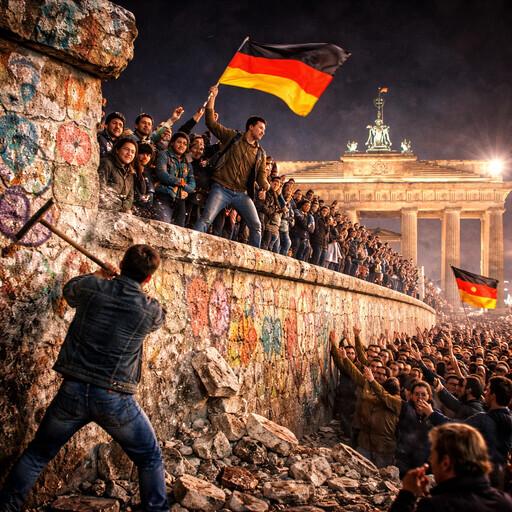
Fall of the Berlin Wall
End of Germany’s divided barrier
Henry Kissinger
American diplomat and foreign policy leader
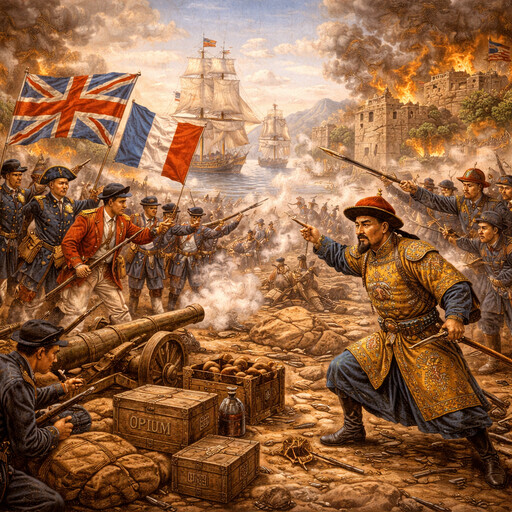
Second Opium War
Renewed conflict between China and Western powers
Klemens von Metternich
Austrian statesman and European diplomat
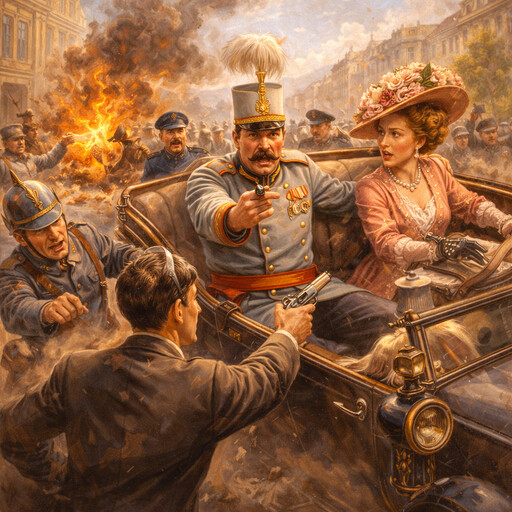
July Crisis
Diplomatic crisis before World War I
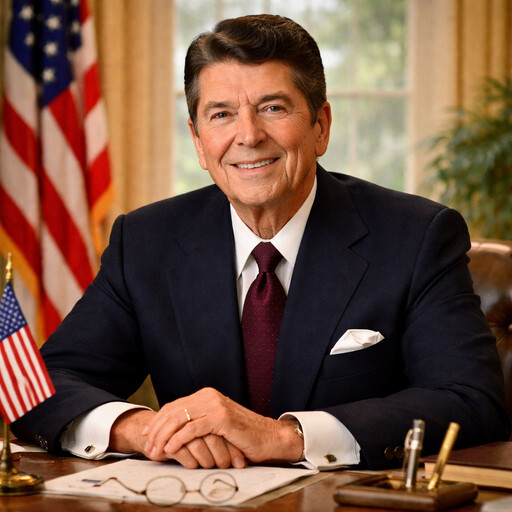
Ronald Reagan
40th president of the United States
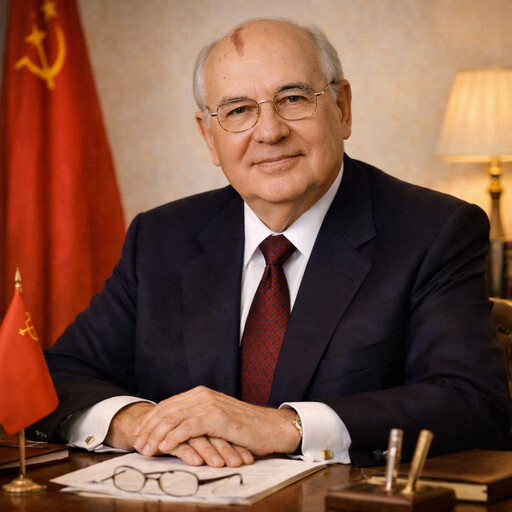
Mikhail Gorbachev
Last leader of the Soviet Union
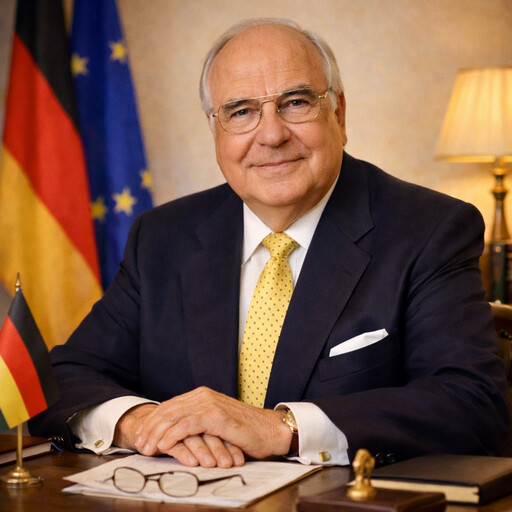
Helmut Kohl
German chancellor during reunification
Margaret Thatcher
First woman prime minister of the United Kingdom
Dwight D. Eisenhower
American general and president
Marshall Plan
Postwar rebuilding program for Europe
NATO
Military alliance formed after World War II