Helmut Kohl was a German politician who served as chancellor of Germany for sixteen years, from 1982 to 1998. A chancellor is the head of government in Germany. Kohl first led West Germany and later became the first chancellor of a reunified Germany. He was a leading member of the Christian Democratic Union, often called the CDU. His time in office included the end of the Cold War and the reunification of Germany in 1990. These events changed the political map of Europe.
Helmut Josef Michael Kohl was born on 3 April 1930 in Ludwigshafen, a city in western Germany. At that time, Germany was still recovering from World War I. His father was a civil servant, which means a government worker. Kohl grew up during World War II. After the war, Germany was divided into East Germany and West Germany. Kohl studied history and political science at university. Political science is the study of government and political systems. He earned a doctoral degree, which is an advanced university degree, and then worked as a teacher and researcher.
Kohl joined the Christian Democratic Union when he was a young man. The CDU is a political party that supports democracy and a social market economy, which combines free markets with social support. He entered regional politics in the state of Rhineland-Palatinate. A state is a major region within Germany. In 1969, he became minister-president of that state. A minister-president is the head of a state government in Germany. This role gave him experience in leadership and national politics.
In 1982, Helmut Kohl became chancellor of West Germany. He replaced Helmut Schmidt after a vote in Parliament. Kohl worked closely with other Western leaders, including United States President Ronald Reagan and French President François Mitterrand. During the 1980s, relations between East and West began to change. In 1989, the Berlin Wall fell. The Berlin Wall was a barrier that divided East Berlin and West Berlin. Its fall allowed movement between the two parts of the city and became a symbol of the end of division in Germany.
In 1990, East Germany and West Germany officially reunified to form one country. Reunification means joining again after being separated. Helmut Kohl played a central role in this process. He supported agreements with the Soviet Union and other European countries to make reunification possible. After reunification, Kohl became chancellor of the whole of Germany. His government worked on bringing together two different systems, economies, and laws from East and West.
Helmut Kohl was also active in European cooperation. He supported closer ties between European countries. In 1992, Germany signed the Maastricht Treaty. A treaty is a formal agreement between countries. The Maastricht Treaty helped create the European Union, often called the EU. It also set the path toward a shared European currency, the euro. Kohl left office in 1998 and was succeeded by Gerhard Schröder. He died on 16 June 2017 at the age of 87. Helmut Kohl is remembered for leading Germany during reunification and for his long time in office during major changes in Europe.
Helmut Kohl
Level
readlittle.com
German chancellor during reunification
What We Can Learn
- Helmut Kohl served as German chancellor from 1982 to 1998.
- He was the first chancellor of a reunified Germany.
- He was a leading member of the Christian Democratic Union.
- He supported European cooperation and the creation of the European Union.
Related Reads
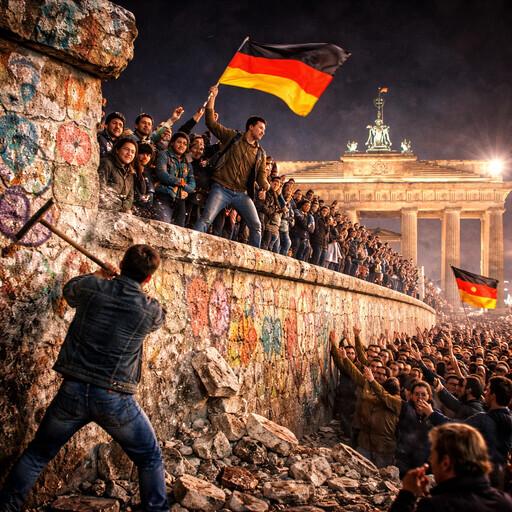
Fall of the Berlin Wall
End of Germany’s divided barrier
Cuban Missile Crisis
Cold War nuclear standoff in 1962
Henry Kissinger
American diplomat and foreign policy leader
Margaret Thatcher
First woman prime minister of the United Kingdom
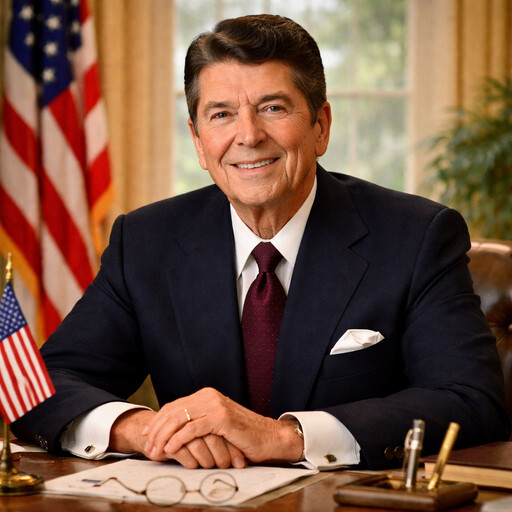
Ronald Reagan
40th president of the United States
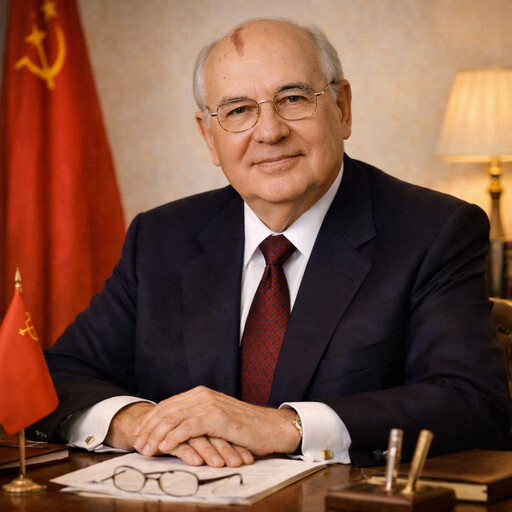
Mikhail Gorbachev
Last leader of the Soviet Union
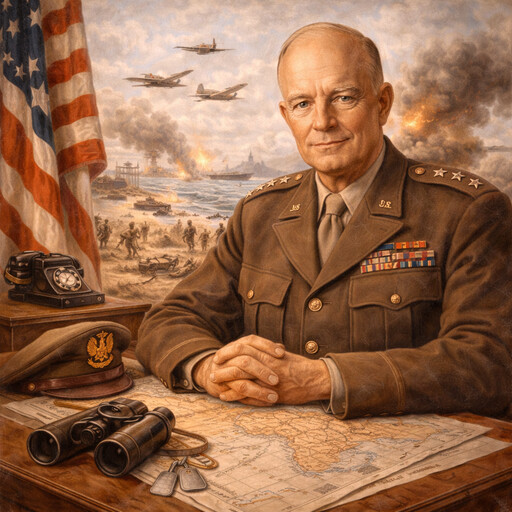
Dwight D. Eisenhower
American general and president
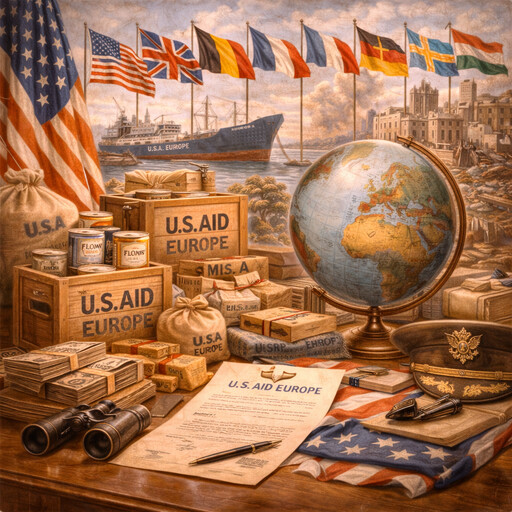
Marshall Plan
Postwar rebuilding program for Europe
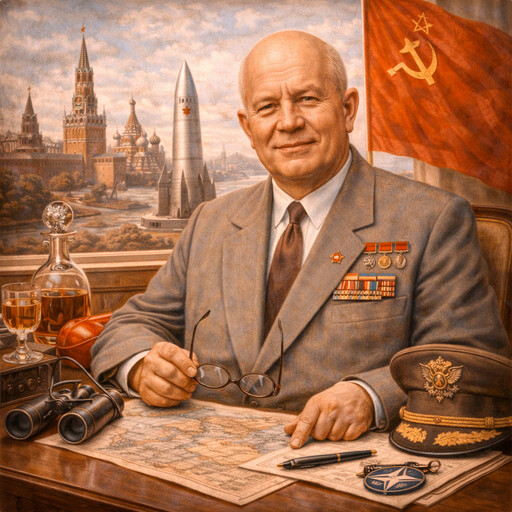
Nikita Khrushchev
Soviet leader during the Cold War
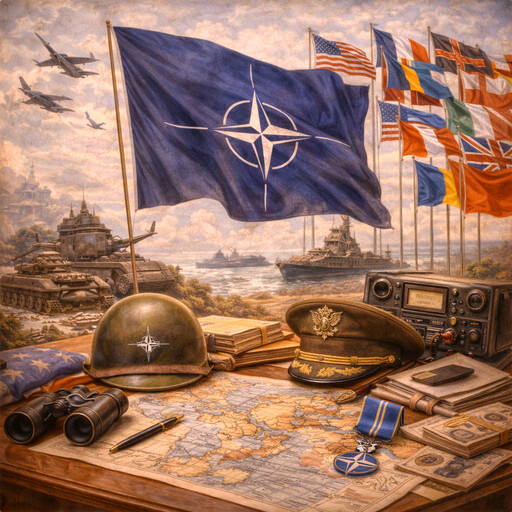
NATO
Military alliance formed after World War II
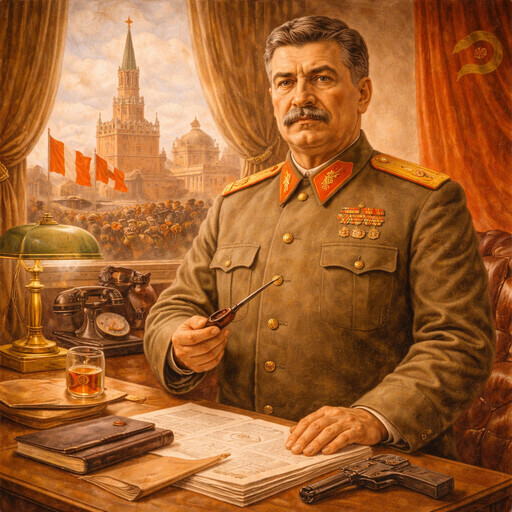
Joseph Stalin
Leader of the Soviet Union
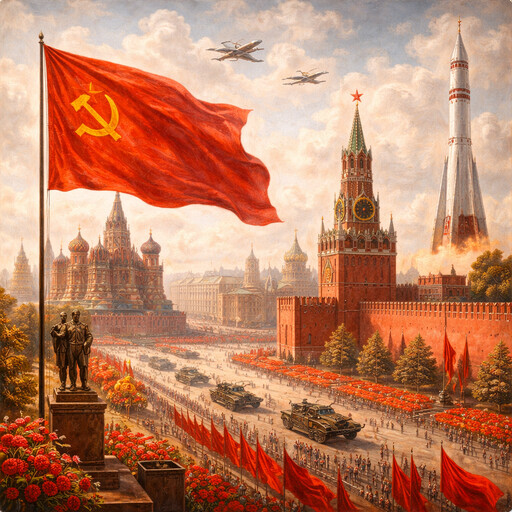
Soviet Union
Former socialist state in Eastern Europe