Ronald Reagan was the 40th president of the United States. He served two terms, from 1981 to 1989. A president is the head of government and head of state of the United States. Reagan was a member of the Republican Party, one of the two major political parties in the country. Before entering national politics, he worked as a radio announcer and a film actor. He later became governor of California. Reagan was known for his clear speaking style and for leading the country during the later years of the Cold War, a long period of tension between the United States and the Soviet Union.
Ronald Wilson Reagan was born on 6 February 1911 in Tampico, Illinois. His parents were Jack Reagan and Nelle Wilson Reagan. His family moved several times while he was growing up. Reagan attended Eureka College in Illinois. There he studied economics and sociology. Economics is the study of how people produce and use goods and services. Sociology is the study of society and human groups. After college, Reagan worked as a sports radio announcer. He described baseball games on the radio. In the late 1930s, he moved to California and became a movie actor. He appeared in many films and later became president of the Screen Actors Guild, a labor union representing actors.
Reagan became involved in politics during the 1950s and 1960s. At first, he supported the Democratic Party. Later, he changed his views and joined the Republican Party. In 1966, he was elected governor of California. A governor is the elected leader of a state. Reagan served as governor from 1967 to 1975. During this time, he worked on state budgets, education, and public programs. His time as governor helped him gain national attention and political experience.
In 1980, Ronald Reagan ran for president of the United States. He won the election and took office in January 1981. He was 69 years old when he became president, making him the oldest person elected to the office at that time. His vice president was George H. W. Bush. Reagan’s economic policies were based on lowering taxes and reducing government spending. These ideas were often called Reaganomics. Reagan also increased spending on the military. The military includes a country’s armed forces, such as the army and navy.
Foreign relations were an important part of Reagan’s presidency. The United States and the Soviet Union were the two main powers during the Cold War. Reagan believed in a strong defense and supported NATO, a military alliance of Western countries. Later in his presidency, he worked with Soviet leader Mikhail Gorbachev to reduce nuclear weapons. Nuclear weapons are powerful weapons that use nuclear energy. In 1987, Reagan and Gorbachev signed the Intermediate-Range Nuclear Forces Treaty, also called the INF Treaty. This agreement removed certain types of nuclear missiles from Europe.
Ronald Reagan left office in January 1989 and was succeeded by George H. W. Bush. After his presidency, Reagan lived quietly in California. In 1994, he announced that he had Alzheimer’s disease, a condition that affects memory and thinking. He died on 5 June 2004 at the age of 93. Reagan remains a major figure in United States history because of his roles as actor, governor, and president, and because of his involvement in key events during the Cold War period.
Ronald Reagan
Level
readlittle.com
40th president of the United States
What We Can Learn
- Ronald Reagan was the 40th president of the United States.
- He served as president from 1981 to 1989.
- He was also governor of California before becoming president.
- He played a role in Cold War relations with the Soviet Union.
Related Reads
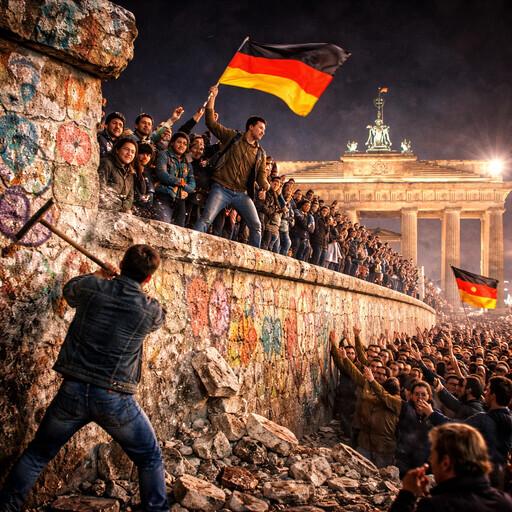
Fall of the Berlin Wall
End of Germany’s divided barrier
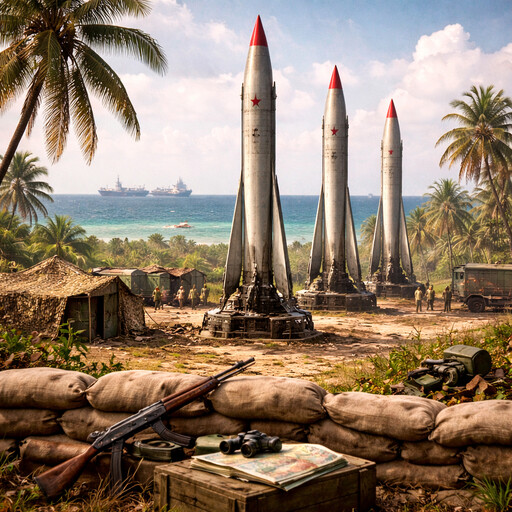
Cuban Missile Crisis
Cold War nuclear standoff in 1962
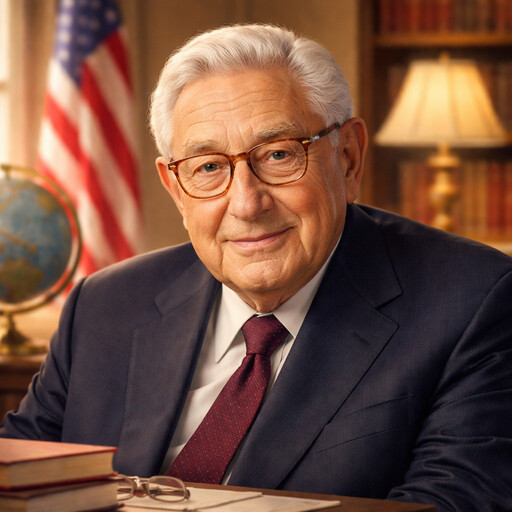
Henry Kissinger
American diplomat and foreign policy leader
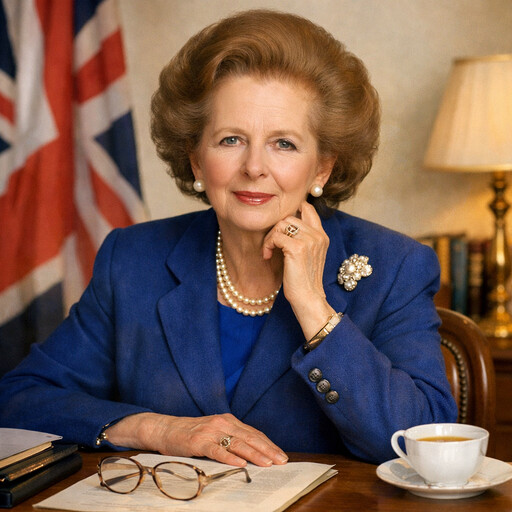
Margaret Thatcher
First woman prime minister of the United Kingdom
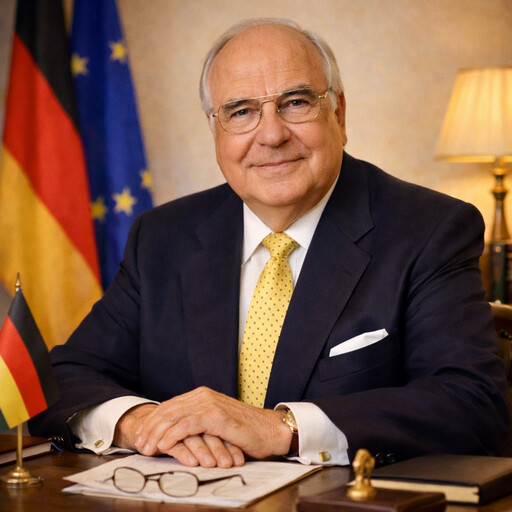
Helmut Kohl
German chancellor during reunification
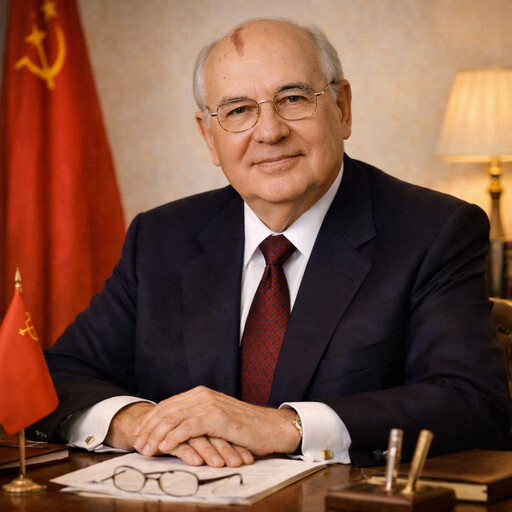
Mikhail Gorbachev
Last leader of the Soviet Union
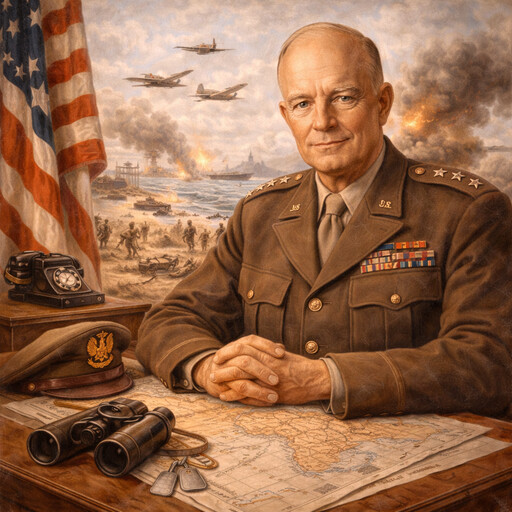
Dwight D. Eisenhower
American general and president
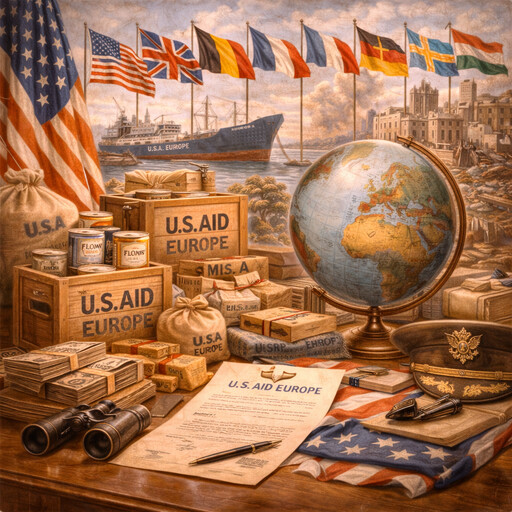
Marshall Plan
Postwar rebuilding program for Europe
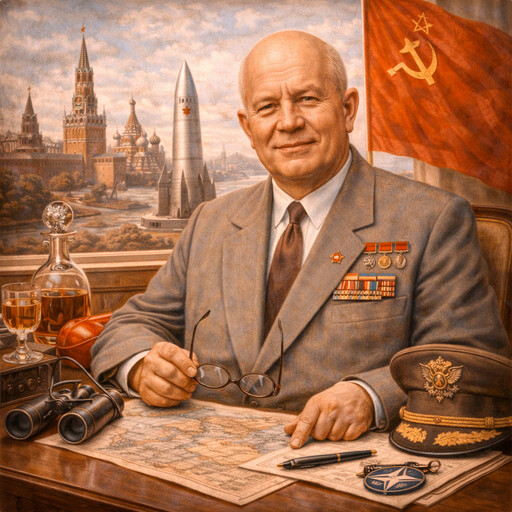
Nikita Khrushchev
Soviet leader during the Cold War
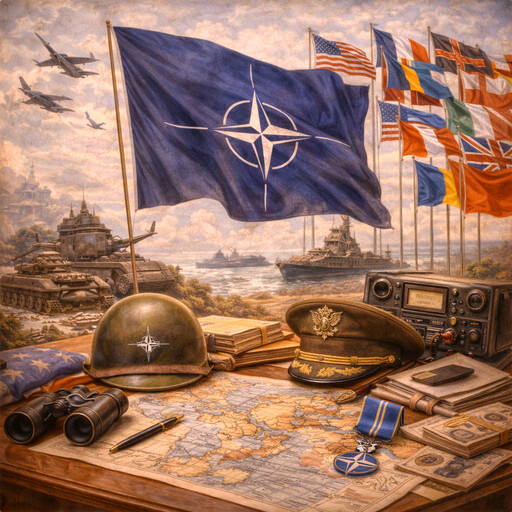
NATO
Military alliance formed after World War II
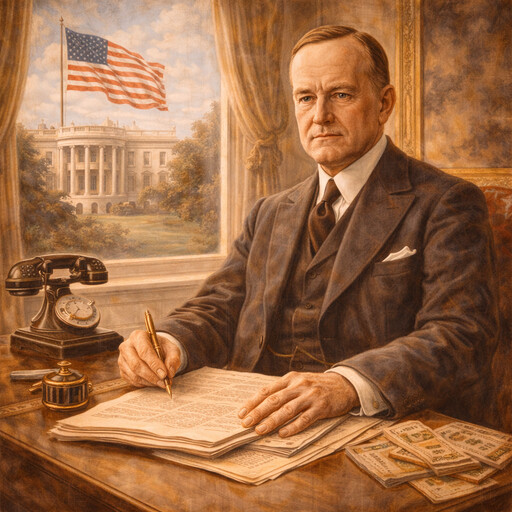
Calvin Coolidge
U.S. president in the 1920s
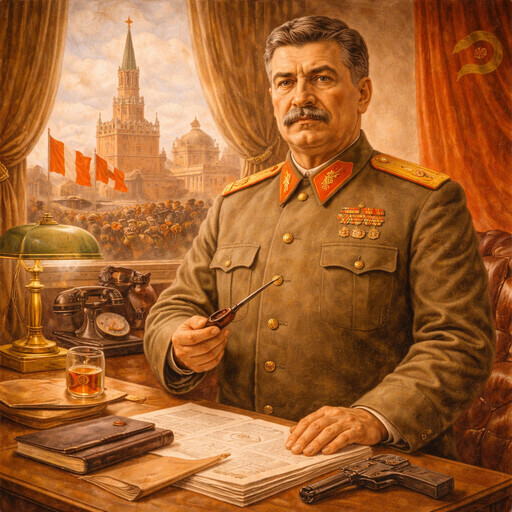
Joseph Stalin
Leader of the Soviet Union