John F. Kennedy was born into a politically known Massachusetts family in 1917. After graduating from Harvard he served in the Navy during World War II, commanding the patrol torpedo boat PT-109. When a Japanese destroyer sank his boat, Kennedy led his crew to safety, earning a reputation for courage and calm under pressure.
Kennedy entered Congress in 1947 and won a U.S. Senate seat in 1952. His book "Profiles in Courage" highlighted lawmakers who risked their careers to do what they believed was right. In the 1960 presidential campaign against Richard Nixon, Kennedy became the youngest elected president at age forty-three. His inaugural address urged citizens to "ask not what your country can do for you" and promised to defend liberty at home and abroad.
He launched the Peace Corps so young volunteers could teach, build clinics, and share technical skills in developing nations. Domestically, Kennedy called his platform the "New Frontier," proposing civil rights legislation, tax reform, and expanded space exploration. He asked Congress to fund a mission to land astronauts on the Moon before 1970, setting the stage for the Apollo program.
Kennedy faced serious Cold War crises. The failed Bay of Pigs invasion in 1961 showed the risks of trying to overthrow Cuba's government. In October 1962 U.S. spy planes discovered Soviet missiles in Cuba, sparking the Cuban Missile Crisis. Kennedy ordered a naval quarantine and negotiated with Soviet leader Nikita Khrushchev, agreeing to remove American missiles from Turkey while the Soviets withdrew theirs from Cuba.
Kennedy increasingly supported the civil rights movement, sending federal marshals to protect Freedom Riders and introducing a civil rights bill in 1963. On November 22, 1963, he was assassinated in Dallas, Texas. Millions mourned the president whose speeches and press conferences had brought energy and optimism to the White House. His legacy includes a commitment to public service, space exploration, and cautious diplomacy during nuclear standoffs.
John F. Kennedy
Level
readlittle.com
New Frontier of hope and crisis
What We Can Learn
- Kennedy's wartime service shaped his belief in courage and public duty
- The Peace Corps and New Frontier encouraged volunteerism and innovation
- The Cuban Missile Crisis required careful negotiation to avoid nuclear war
- His assassination cut short civil rights and space initiatives he set in motion
Related Reads
No image
Boston
An early American coastal city
No image
Vienna
Capital city on the Danube River

Johann Gottfried Herder
German thinker of culture and language

Holodomor
Famine in Soviet Ukraine, 1932–1933

Vilnius
Historic capital city of Lithuania

Ivan III
Founder of a unified Russian state
No image
Monarchy
Government ruled by a royal family

Józef Piłsudski
Leader of modern independent Poland

Molotov–Ribbentrop Pact
Non-aggression agreement before World War II

Adam Mickiewicz
Poet of Polish Romantic literature
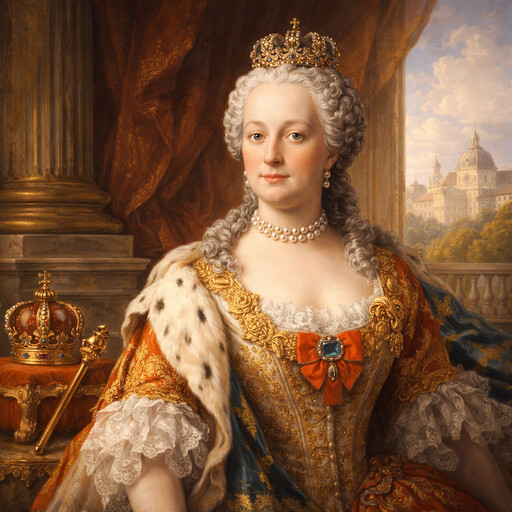
Maria Theresa
Powerful ruler of the Habsburg lands

Polish–Soviet War
War over borders after World War I