Mikhail Gorbachev was a Soviet politician who became the last leader of the Soviet Union. He served as General Secretary of the Communist Party from 1985 to 1991. The General Secretary was the most powerful position in the Soviet system. Gorbachev also served as President of the Soviet Union from 1990 until the country ended in 1991. His leadership came during a period of economic difficulty and political change. These years included major events that affected the Soviet Union and its relations with other countries.
Mikhail Sergeyevich Gorbachev was born on 2 March 1931 in Privolnoye, a rural village in southern Russia. At that time, Russia was part of the Soviet Union. His family worked in agriculture. Agriculture is the growing of crops and raising of animals. Gorbachev grew up during World War II, when many parts of the Soviet Union were affected by fighting and shortages. He studied law at Moscow State University. Law is the system of rules used by a country to govern people and actions. After graduating, he worked in local government and party organizations.
Gorbachev joined the Communist Party at a young age. The Communist Party was the only legal political party in the Soviet Union. It controlled the government and the economy. Over time, Gorbachev moved into higher positions within the party. In 1985, he was chosen as General Secretary after the deaths of several older leaders. He was younger than many past leaders and spoke openly about problems in the country. He believed changes were needed to address slow economic growth and low productivity.
As leader, Gorbachev introduced two main reform programs called perestroika and glasnost. Perestroika means restructuring. It aimed to change how the economy worked by allowing some private business and reducing central control. Glasnost means openness. It allowed greater freedom of speech and more open discussion in newspapers and public meetings. These policies changed daily life in the Soviet Union. People could speak more freely about history and government actions. At the same time, the economy faced shortages and difficulties during the transition.
Gorbachev also changed how the Soviet Union dealt with other countries. During the Cold War, the Soviet Union and the United States had tense relations and built large numbers of nuclear weapons. Nuclear weapons are extremely powerful weapons that use atomic energy. Gorbachev worked with United States President Ronald Reagan to reduce these weapons. In 1987, they signed the Intermediate-Range Nuclear Forces Treaty, known as the INF Treaty. This agreement removed certain missiles from Europe. Gorbachev also reduced Soviet involvement in Eastern Europe. In 1989, communist governments in several Eastern European countries fell without Soviet military action.
In 1991, the Soviet Union faced serious political and economic problems. Several republics declared independence. A republic is a region with its own government. In December 1991, the Soviet Union officially ended, and Russia and other new countries took its place. Gorbachev resigned as president. After leaving office, he remained active in public life and wrote books about his experiences. Mikhail Gorbachev died on 30 August 2022 at the age of 91. He is remembered as the final leader of the Soviet Union during a time of major change.
Mikhail Gorbachev
Level
readlittle.com
Last leader of the Soviet Union
What We Can Learn
- Mikhail Gorbachev led the Soviet Union from 1985 to 1991.
- He introduced reforms called perestroika and glasnost.
- He worked with other leaders to reduce nuclear weapons.
- He was president when the Soviet Union ended.
Related Reads
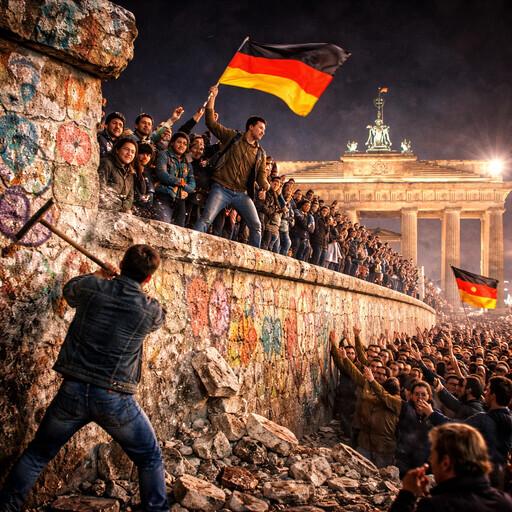
Fall of the Berlin Wall
End of Germany’s divided barrier
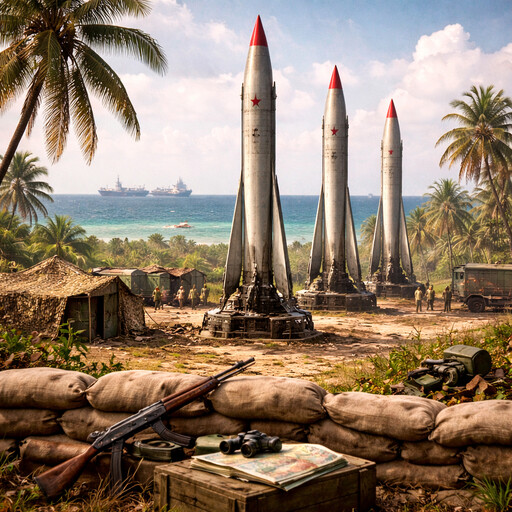
Cuban Missile Crisis
Cold War nuclear standoff in 1962
Henry Kissinger
American diplomat and foreign policy leader
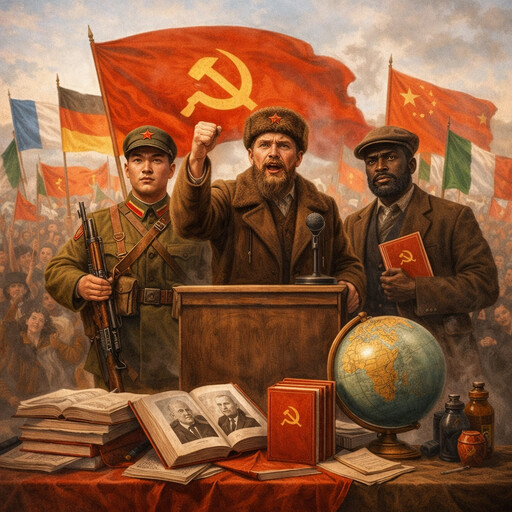
Communist International
Global organization of communist parties
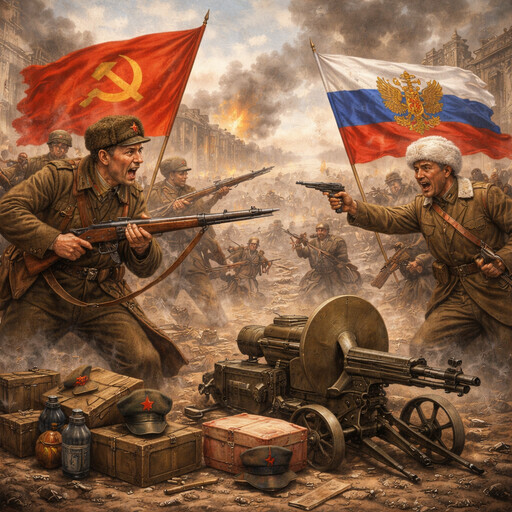
Russian Civil War
Conflict after the Russian Revolution
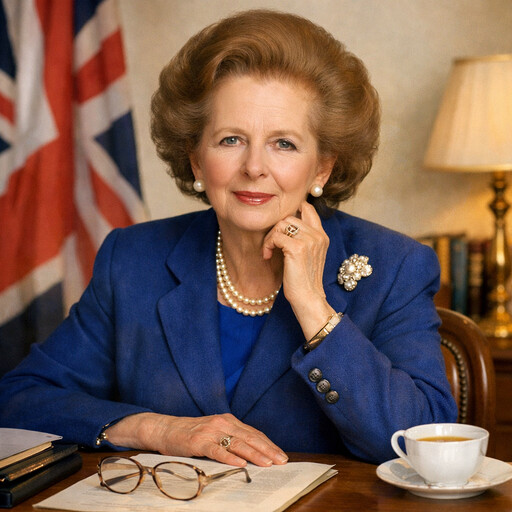
Margaret Thatcher
First woman prime minister of the United Kingdom
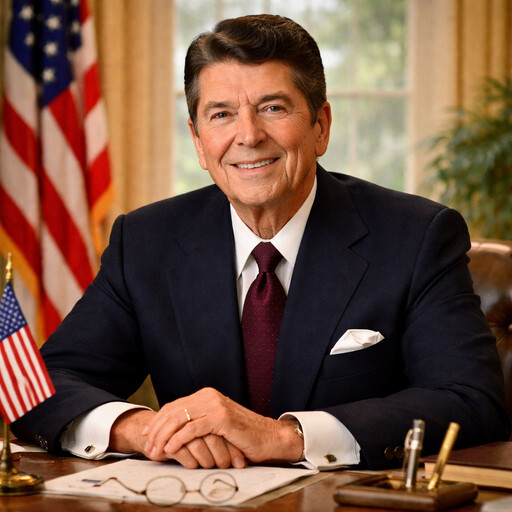
Ronald Reagan
40th president of the United States
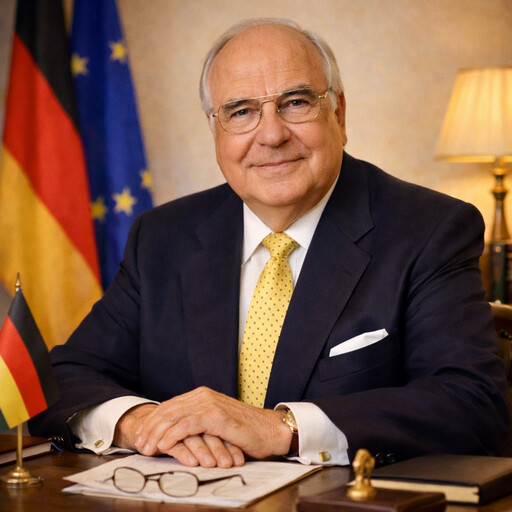
Helmut Kohl
German chancellor during reunification
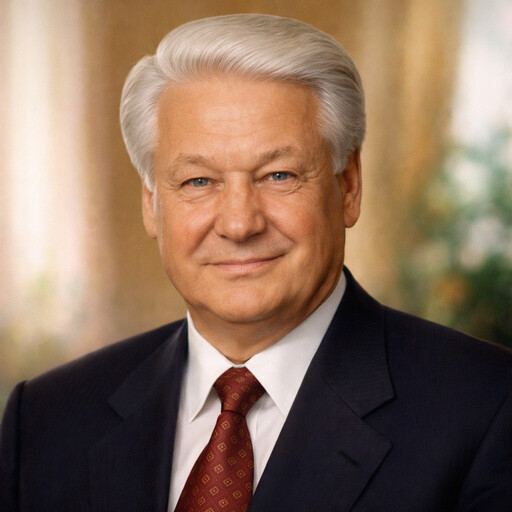
Boris Yeltsin
First president of the Russian Federation
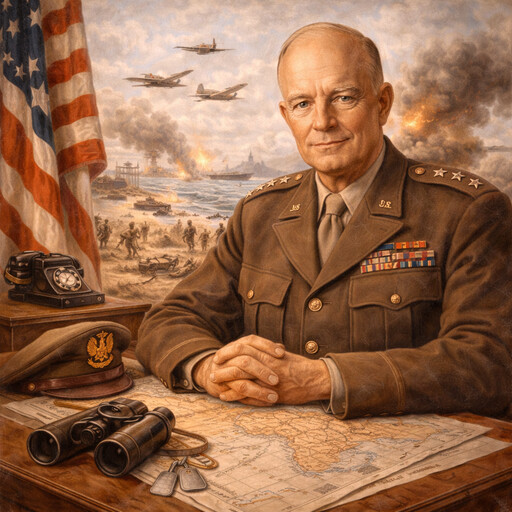
Dwight D. Eisenhower
American general and president
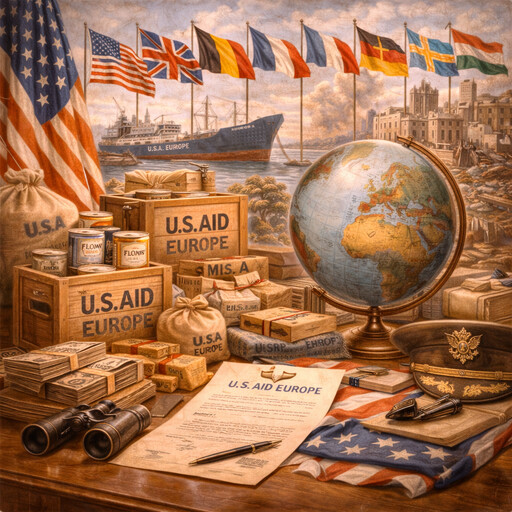
Marshall Plan
Postwar rebuilding program for Europe
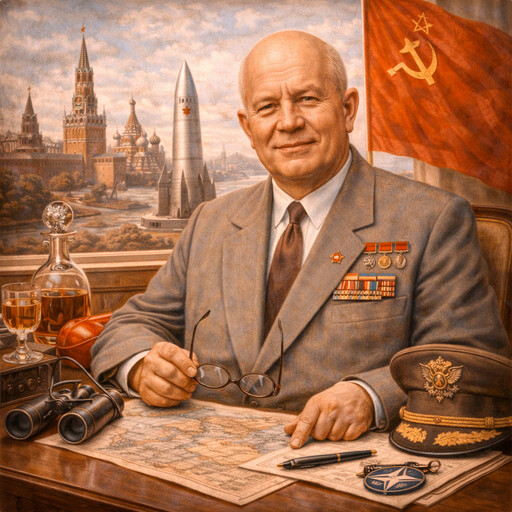
Nikita Khrushchev
Soviet leader during the Cold War