Cambodia covers lowlands, forests, and coasts in mainland Southeast Asia. The Mekong River flows from Laos through Phnom Penh, where it meets the Tonle Sap, a lake that swells during the rainy season and shrinks in the dry season. The Cardamom Mountains in the southwest host cloud forests and waterfalls, while the Gulf of Thailand coast provides beaches, mangroves, and the deep-water port of Sihanoukville. Rice paddies, sugar palm groves, and lotus ponds fill the flat central plain.
Cambodia is a constitutional monarchy with King Norodom Sihamoni as head of state. An elected National Assembly and Senate pass laws, and a prime minister leads the government. Twenty-five provinces and the capital municipality run schools, clinics, and tourism offices, and the country works with ASEAN and the United Nations on development, demining, and heritage projects.
The Khmer Empire dominated the region from the ninth to the fifteenth centuries, building Angkor Wat, Bayon, and Ta Prohm temples that still stand today. After French colonial rule ended in 1953, Cambodia experienced the Khmer Rouge period in the 1970s, which caused widespread suffering. United Nations peacekeepers helped restore stability in the 1990s, and the Extraordinary Chambers in the Courts of Cambodia continue to try former leaders.
The modern economy depends on agriculture, garment manufacturing, construction, and tourism. Farmers grow rice, cassava, rubber, and pepper, and Tonle Sap fishing communities supply freshwater fish. Garment factories near Phnom Penh and Siem Reap export clothing, while new expressways and airports aim to support logistics. Hydropower dams and solar parks add electricity but require careful planning to protect rivers and forests.
Culture revolves around Theravada Buddhism and village traditions. Pagodas host Pchum Ben ancestor ceremonies, Apsara dancers perform in silk costumes, and students learn Khmer language and legends. Families enjoy rice, fish amok curry steamed in banana leaves, noodle soups such as kuy teav, and desserts made from coconut milk and palm sugar. Festivals like Khmer New Year and Bon Om Touk water festival bring dragon boat races, lanterns, and music to towns across the country.
Cambodia
Level
readlittle.com
Mekong waters and Khmer temples
What We Can Learn
- Cambodia sits along the Mekong River and Tonle Sap Lake with coasts on the Gulf of Thailand.
- A constitutional monarchy with an elected assembly manages provinces and heritage.
- History includes the Khmer Empire, colonial rule, the Khmer Rouge era, and reconstruction.
- Agriculture, garments, tourism, and Buddhist festivals support communities.
Related Reads

Johann Gottfried Herder
German thinker of culture and language
No image
Monarchy
Government ruled by a royal family
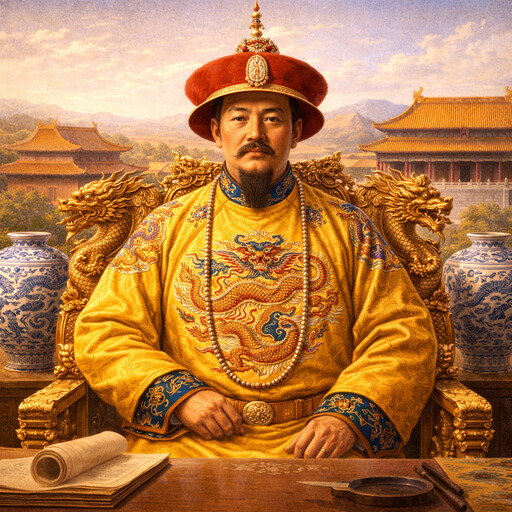
Ming dynasty
Chinese dynasty from 1368 to 1644
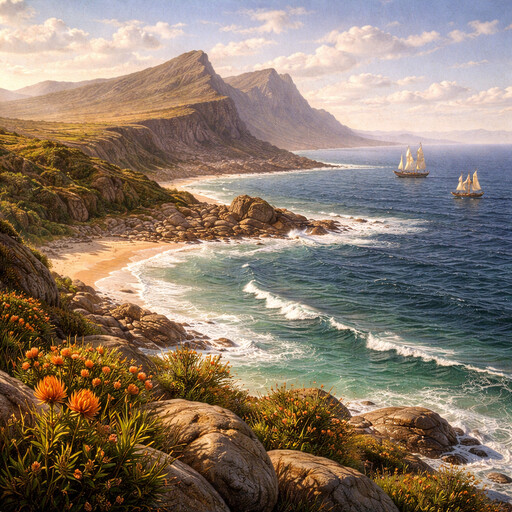
Cape of Good Hope
Southern headland of Africa
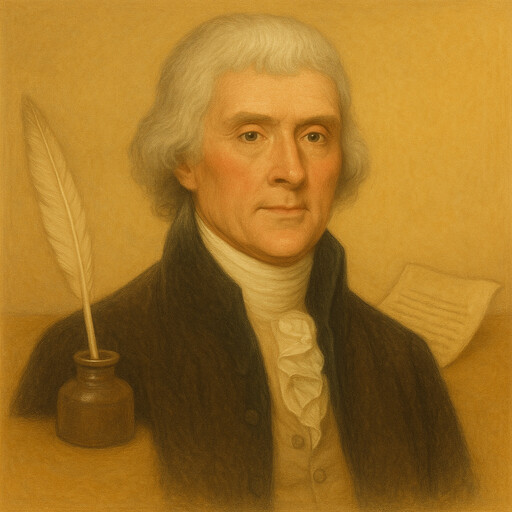
Thomas Jefferson
Author and third U.S. president
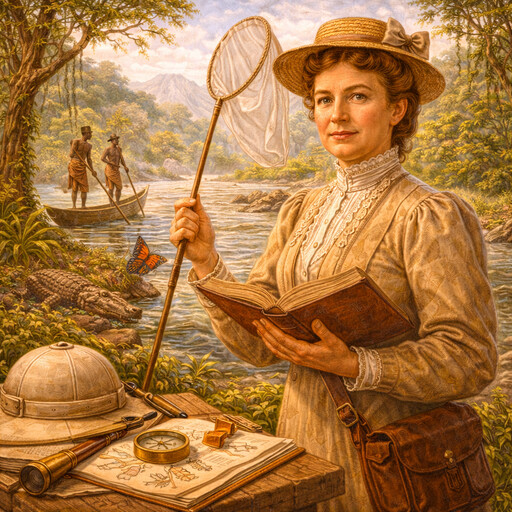
Mary Kingsley
British traveler and writer in West Africa
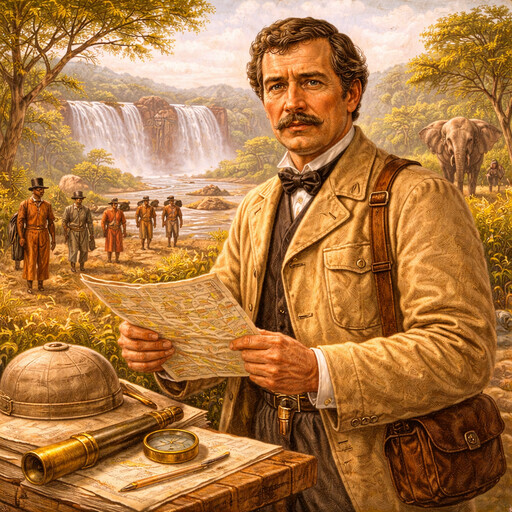
David Livingstone
Scottish explorer of Africa
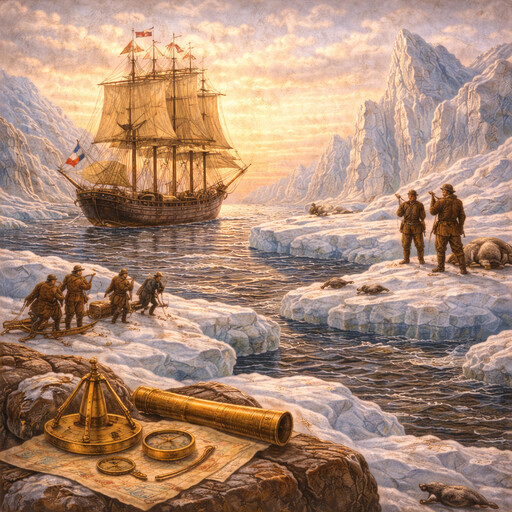
Northwest Passage
A sea route through Arctic waters
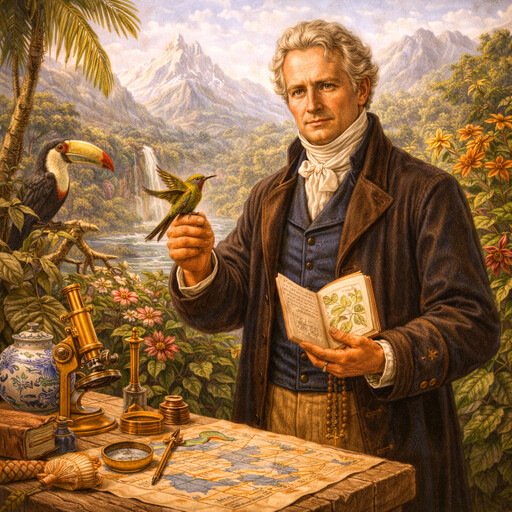
Alexander von Humboldt
Explorer of nature and the natural world

Louisiana Purchase
A land deal that doubled the United States

Lewis and Clark Expedition
Exploring the land west of the Mississippi
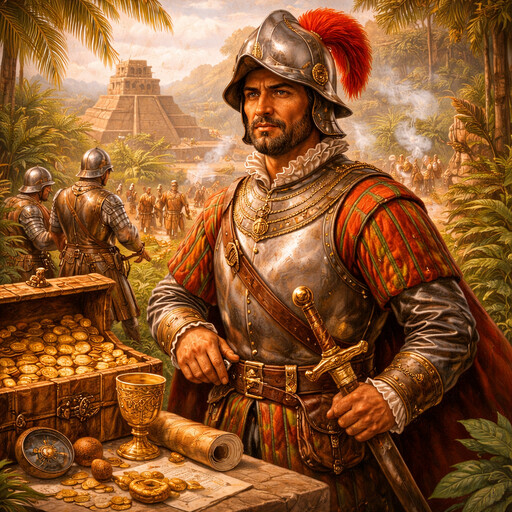
Conquistador
Spanish explorers and soldiers of empire