Laos borders China, Vietnam, Cambodia, Thailand, and Myanmar. The Annamite Range forms a tall spine along the eastern border, while the Mekong River runs beside Thailand and passes through Vientiane, the capital. Further north lies Luang Prabang, a UNESCO town surrounded by waterfalls, limestone caves, and saffron-robed monks. The southern region called Si Phan Don, or Four Thousand Islands, spreads across rapids, rice paddies, and freshwater dolphin habitats.
Laos is a single-party socialist republic led by the Lao People's Revolutionary Party. The National Assembly approves laws, a president serves as head of state, and a prime minister manages ministries in charge of construction, education, and energy. Provinces, districts, and village committees oversee schools, health clinics, and irrigation, and new railways connect the country with China and Thailand, allowing landlocked Laos to reach seaports by train.
History includes the Lan Xang Kingdom, colonial rule under French Indochina, and years of conflict during the Vietnam War era. The Lao People's Democratic Republic was established in 1975, and the country now cooperates with ASEAN and the Mekong River Commission to share water resources and protect fisheries. The Plain of Jars, mysterious stone vessels scattered across the central plateau, is one of many heritage sites being studied and cleared of unexploded ordnance.
The economy relies on hydropower exports, mining, agriculture, and tourism. Dams on the Mekong and Nam Ou Rivers supply electricity to neighbors, while mines produce copper and gold. Farmers grow sticky rice, coffee on the Bolaven Plateau, and vegetables in river valleys. Backpackers and families visit Luang Prabang, trek to hill-tribe villages, and kayak through karst caves near Vang Vieng.
Culture blends Theravada Buddhism with local animist beliefs. Monks collect alms each morning, and families tie white strings around wrists during baci ceremonies to welcome guests. Lao cuisine centers on sticky rice, laap minced meat salad, tam mak hoong papaya salad, and herb-filled soups. Festivals such as Pi Mai Lao (Lao New Year), That Luang Festival, and the Boat Racing Festival fill towns with lanterns, drums, and water splashing along the Mekong.
Laos
Level
readlittle.com
Landlocked mountains and Mekong currents
What We Can Learn
- Laos is landlocked yet connected by the Mekong River and mountain passes.
- A socialist republic with a National Assembly and village committees manages development.
- History spans Lan Xang Kingdom, colonial rule, war, and the 1975 Lao PDR.
- Hydropower, farming, mining, and Buddhist traditions shape society.
Related Reads

Johann Gottfried Herder
German thinker of culture and language
No image
Monarchy
Government ruled by a royal family
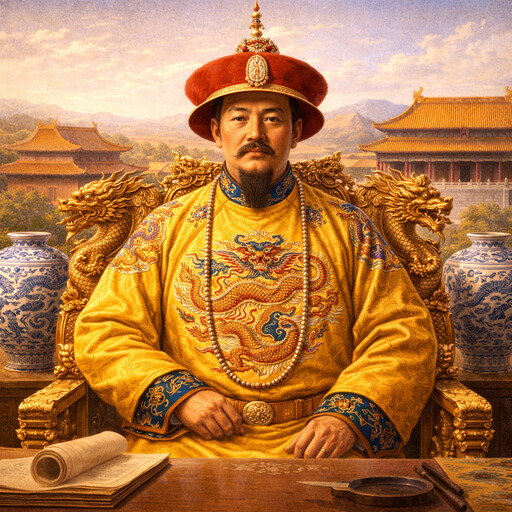
Ming dynasty
Chinese dynasty from 1368 to 1644
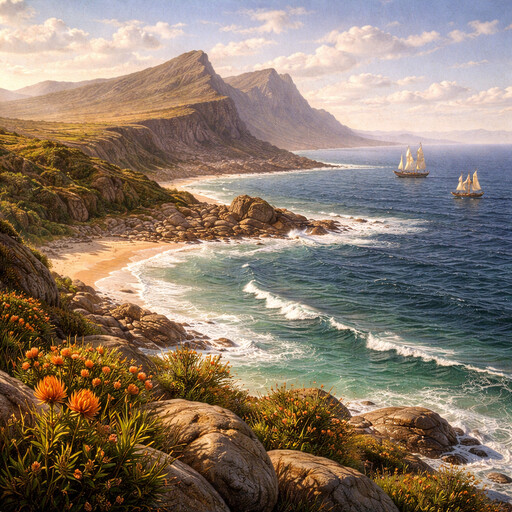
Cape of Good Hope
Southern headland of Africa
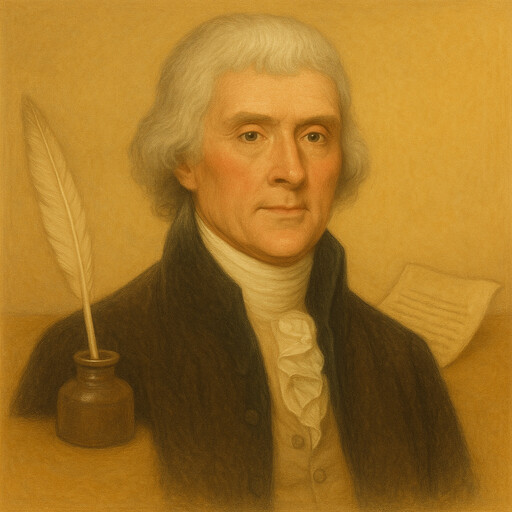
Thomas Jefferson
Author and third U.S. president
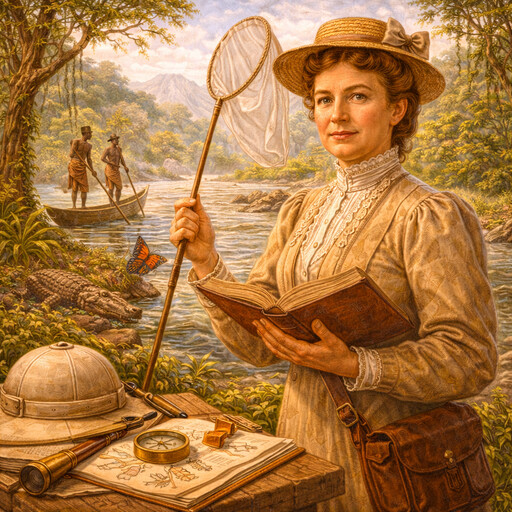
Mary Kingsley
British traveler and writer in West Africa
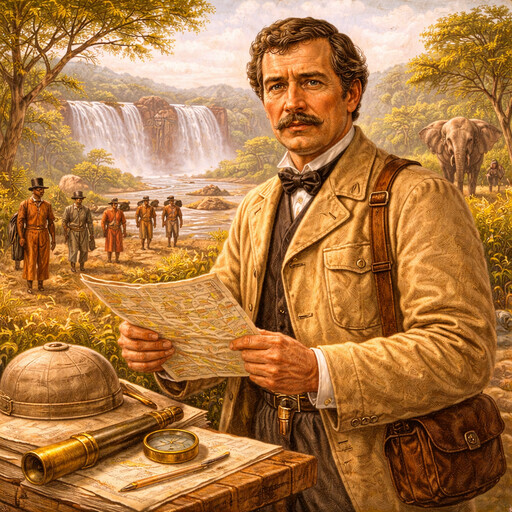
David Livingstone
Scottish explorer of Africa
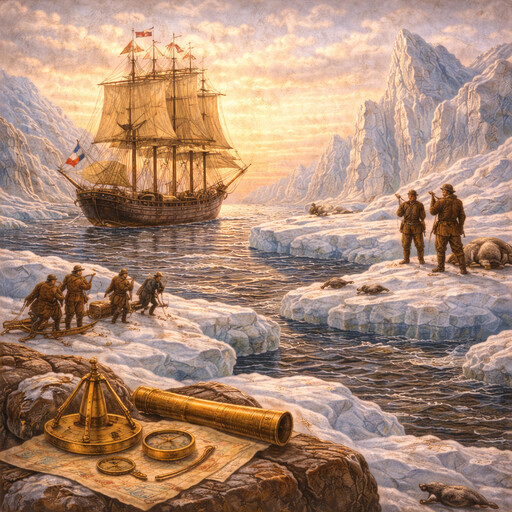
Northwest Passage
A sea route through Arctic waters
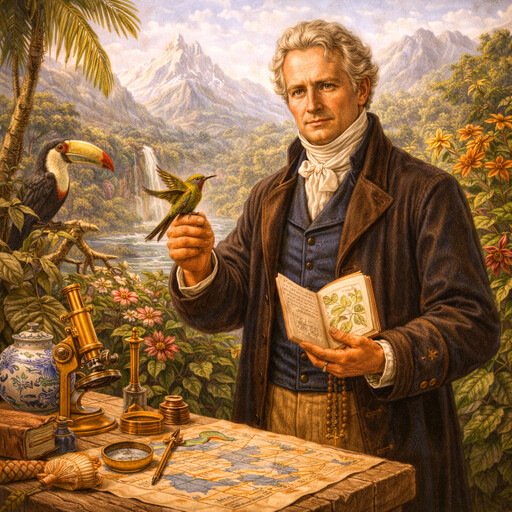
Alexander von Humboldt
Explorer of nature and the natural world

Louisiana Purchase
A land deal that doubled the United States

Lewis and Clark Expedition
Exploring the land west of the Mississippi
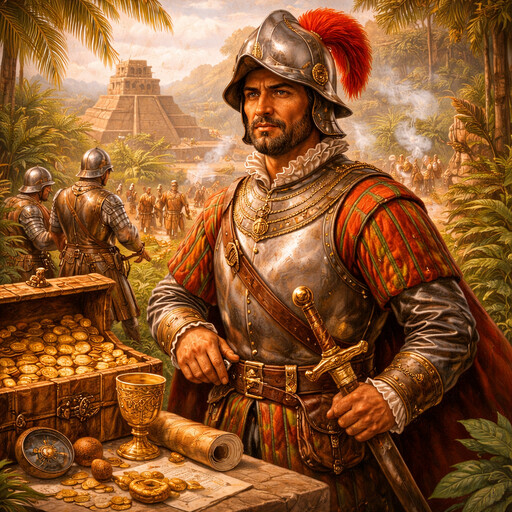
Conquistador
Spanish explorers and soldiers of empire