Palau sits in Micronesia east of the Philippines and north of Indonesia. More than 500 islands stretch across a barrier reef that shelters jellyfish lakes, sea turtle nesting beaches, and steep limestone pinnacles covered in jungle. Koror is the most populated island, while Babeldaob hosts the capital Ngerulmud and the country's highest point, Mount Ngerchelchuus. Clear waters attract divers to sites like Blue Corner and German Channel, where manta rays, sharks, and schools of fish thrive.
Archaeological digs show Palauans have fished and farmed taro for at least 3,000 years. Spanish, German, Japanese, and American administrations ruled during different eras. After World War II, Palau joined the United Nations Trust Territory under U.S. administration. It adopted a constitution in 1981 and became a sovereign republic in 1994 while signing a Compact of Free Association with the United States. Palau also pioneered marine conservation with the Palau National Marine Sanctuary and the world's first shark sanctuary.
Palau's government is a presidential republic with a bicameral National Congress called the Olbiil Era Kelulau. State governments manage local services, while traditional leaders in the Council of Chiefs advise on custom and land matters. Ministries oversee education, health, and tourism, and rangers enforce fishing regulations across the marine sanctuary. Citizens vote in national and state elections every four years.
The economy depends on tourism, government services funded by Compact assistance, subsistence agriculture, and small industries such as handicrafts and aquaculture. Farms grow taro, cassava, and betel nut, while fisheries focus on sustainable nearshore harvests. Eco-guides lead kayaking trips through the Rock Islands, and scientists monitor coral bleaching to adapt marine policies. Renewable-energy projects add solar panels on public schools, and waste-to-energy pilots aim to reduce landfill use on small islands.
Palauan culture emphasizes respect, clan ties, and storytelling. Traditional meeting houses called bai display painted boards showing legends. Women weave pandanus mats used in money exchanges, and men carve storyboard panels depicting history. The Palauan language is taught alongside English, and students participate in environmental clubs that transplant corals, map seagrass beds, and remove ocean debris. Festivals showcase dances, uleng canoe races, and dishes like ulkel ngchesar (taro soup) served with coconut and fresh seafood.
Palau
Level
readlittle.com
Rock Islands guardians of reefs and culture
What We Can Learn
- Palau's Rock Islands and barrier reef host manta rays, jellyfish lakes, and lush forests.
- Foreign administrations governed until Palau's 1994 independence and Compact of Free Association.
- A presidential republic works with traditional chiefs to manage conservation and services.
- Tourism, subsistence farming, and innovative marine protection drive the economy and identity.
Related Reads

Johann Gottfried Herder
German thinker of culture and language
No image
Monarchy
Government ruled by a royal family
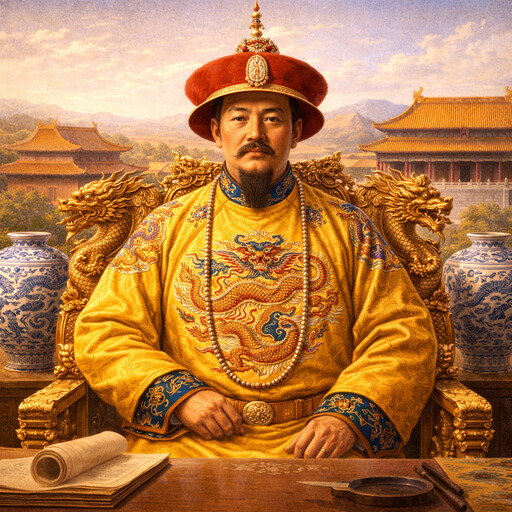
Ming dynasty
Chinese dynasty from 1368 to 1644
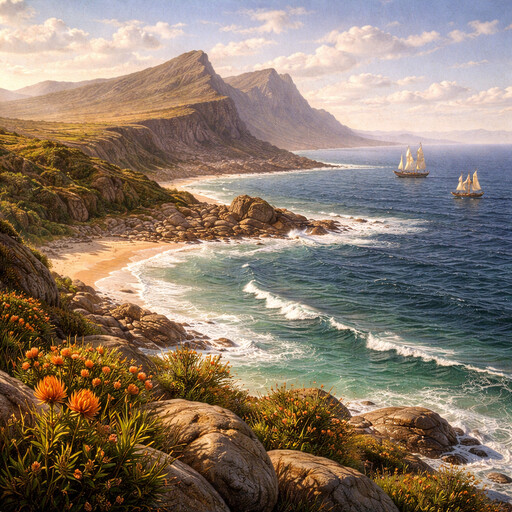
Cape of Good Hope
Southern headland of Africa
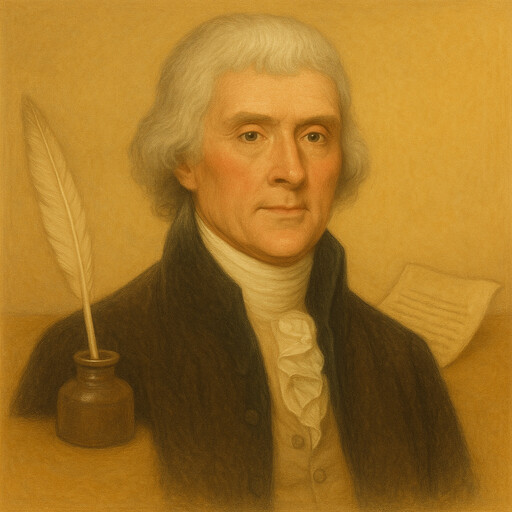
Thomas Jefferson
Author and third U.S. president
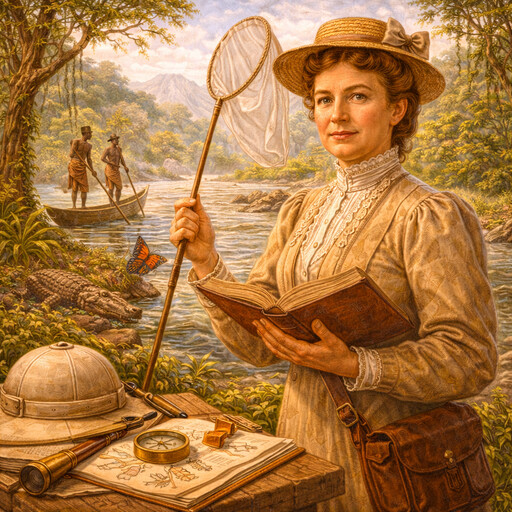
Mary Kingsley
British traveler and writer in West Africa
David Livingstone
Scottish explorer of Africa
Northwest Passage
A sea route through Arctic waters
Alexander von Humboldt
Explorer of nature and the natural world

Louisiana Purchase
A land deal that doubled the United States

Lewis and Clark Expedition
Exploring the land west of the Mississippi
Conquistador
Spanish explorers and soldiers of empire