Philippines is an island nation of more than 7,600 islands in the western Pacific Ocean. Luzon and Mindanao are the largest islands, separated by the Visayan Sea's smaller islands and coral reefs. Volcanoes such as Mayon and Taal rise above rice paddies, coconut groves, and cities including Manila, Cebu, and Davao. Warm trade winds bring a wet season and a dry season, and tropical cyclones often approach from the Pacific between June and October.
The Philippines is a democratic republic with a president as head of state and government. Citizens elect senators, representatives, governors, and mayors, and the constitution protects a multi-party system. Provinces and independent cities manage schools, health clinics, and disaster-preparedness drills, while the national government builds highways, airports, and internet cables across the archipelago. Overseas Filipino Workers (OFWs) send remittances that support their families at home.
History includes Austronesian migration, the kingdoms of Tondo and Cebu, Spanish colonization from the 1500s, and the 1896 Philippine Revolution led by José Rizal and Andrés Bonifacio. After a brief period under the First Philippine Republic, the islands became a U.S. territory, endured World War II, and won full independence in 1946. The country helped found ASEAN and the United Nations and maintains alliances while balancing relations with regional neighbors.
The economy relies on services, manufacturing, agriculture, and natural resources. Farmers grow rice, corn, bananas, pineapples, and sugarcane, while fisheries harvest tuna and sardines. Electronics assembly, shipbuilding, and business-process outsourcing centers employ millions, and geothermal plants in Leyte and Negros generate renewable power. Tourism highlights beaches in Palawan and Boracay, diving spots in Bohol, and heritage towns like Vigan.
Culture blends indigenous traditions with Spanish, American, and Asian influences. Filipino families celebrate fiestas with colorful processions, marching bands, and dishes such as adobo, sinigang, and halo-halo dessert. Roman Catholicism is the majority faith, alongside Islam, Protestant, and indigenous beliefs. Students use Filipino (based on Tagalog) and English in classrooms, and regional languages like Cebuano and Ilocano remain strong. Popular arts include tinikling bamboo dance, jeepney graffiti, OPM pop music, and basketball leagues cherished in every neighborhood.
Philippines
Level
readlittle.com
Island bridges of coral and cuisine
What We Can Learn
- The Philippines contains over 7,600 islands with volcanoes, reefs, and typhoons.
- A democratic republic elects leaders at national and local levels.
- History includes Spanish and American rule, revolution, and independence in 1946.
- Farming, fisheries, manufacturing, outsourcing, and tourism support the economy.
Related Reads

Johann Gottfried Herder
German thinker of culture and language
No image
Monarchy
Government ruled by a royal family
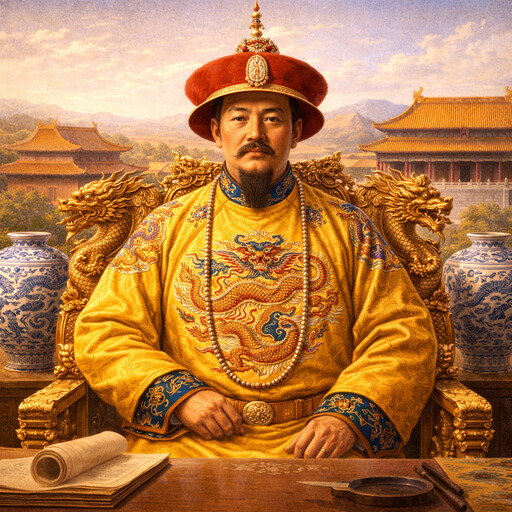
Ming dynasty
Chinese dynasty from 1368 to 1644
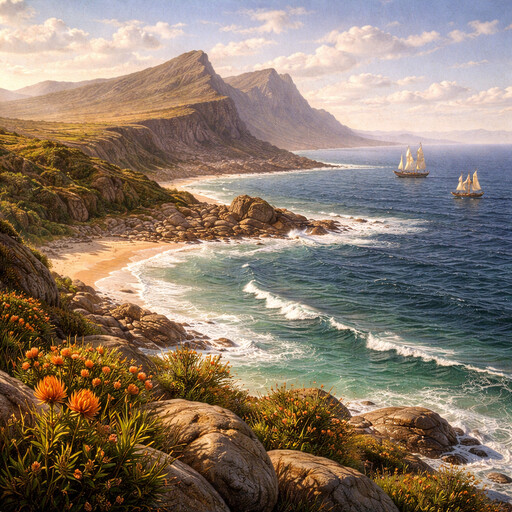
Cape of Good Hope
Southern headland of Africa
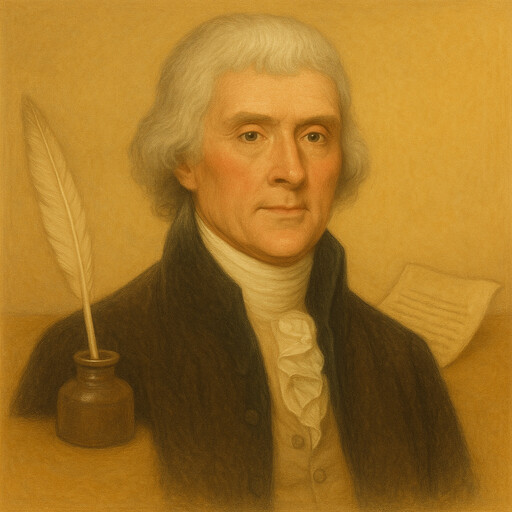
Thomas Jefferson
Author and third U.S. president
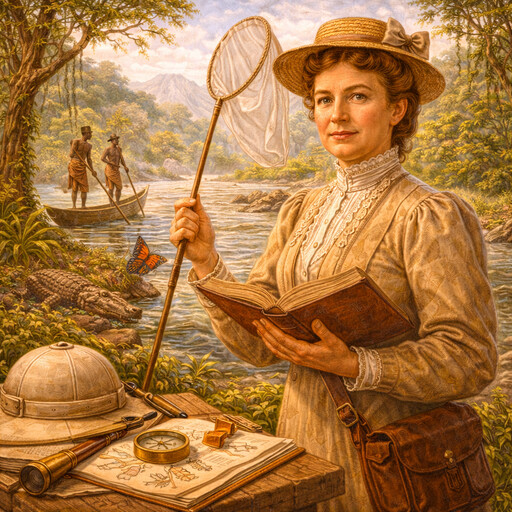
Mary Kingsley
British traveler and writer in West Africa
David Livingstone
Scottish explorer of Africa
Northwest Passage
A sea route through Arctic waters
Alexander von Humboldt
Explorer of nature and the natural world
Louisiana Purchase
A land deal that doubled the United States

Lewis and Clark Expedition
Exploring the land west of the Mississippi
Conquistador
Spanish explorers and soldiers of empire