South Korea lies between the Yellow Sea and Sea of Japan (East Sea), separated from North Korea by a demilitarized zone. Mountains cover about 70 percent of the land, including Taebaek and Sobaek ranges, while plains near the Han and Nakdong Rivers support agriculture and cities. Seoul, the capital, blends royal palaces and digital skyscrapers, while Busan hosts container ports and beaches. The climate has four seasons with monsoon rains in summer and cold, dry winters.
South Korea is a democratic republic with a president as head of state and government. Citizens elect the National Assembly, and local provinces and cities manage schools, transit, and environmental projects. Compulsory military service requires most young men to serve about 18 months, and the government works closely with the United Nations and regional partners for security.
Korean history includes the Three Kingdoms period, unified Silla, Goryeo, and Joseon dynasties that lasted more than 500 years. Japan ruled the peninsula from 1910 to 1945, and after World War II the north and south formed separate states. The Korean War (1950–1953) ended with an armistice, and South Korea later transformed into a high-income economy known as the "Miracle on the Han River." Today it is a member of the G20 and hosts United Nations agencies and global summits.
The economy is powered by chaebol conglomerates, small and medium enterprises, and creative industries. Factories produce semiconductors, smartphones, ships, cars, and batteries, while film, television, and K-pop music reach global audiences. Farmers grow rice, barley, garlic, and ginseng, and fisheries supply squid, anchovies, and seaweed. Renewable energy projects add offshore wind farms and fuel-cell buses to reduce emissions.
Culture blends Confucian traditions with modern trends. Hangul, the Korean alphabet, is taught nationwide and celebrated every October. Students wear uniforms, study STEM subjects, and join clubs for esports, taekwondo, and orchestra. Families share meals of rice, kimchi, bulgogi, and side dishes called banchan, using metal chopsticks and spoons. Festivals include Lunar New Year (Seollal), Chuseok harvest, and lantern parades at temples, while visitors explore UNESCO palaces, folk villages, and green tea fields in Boseong.
South Korea
Level
readlittle.com
Peninsula of technology and tradition
What We Can Learn
- South Korea features mountains, river valleys, and coastal cities on the Korean Peninsula.
- A democratic republic with compulsory service coordinates security and innovation.
- History includes dynasties, colonial rule, the Korean War, and rapid industrialization.
- Technology, shipbuilding, farming, and K-pop drive the modern economy.
Related Reads

Johann Gottfried Herder
German thinker of culture and language
No image
Monarchy
Government ruled by a royal family
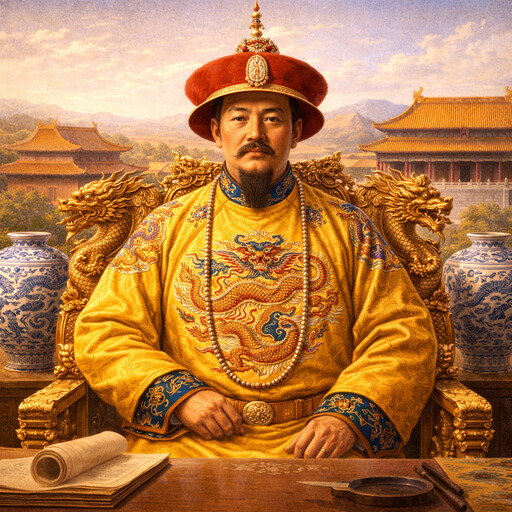
Ming dynasty
Chinese dynasty from 1368 to 1644
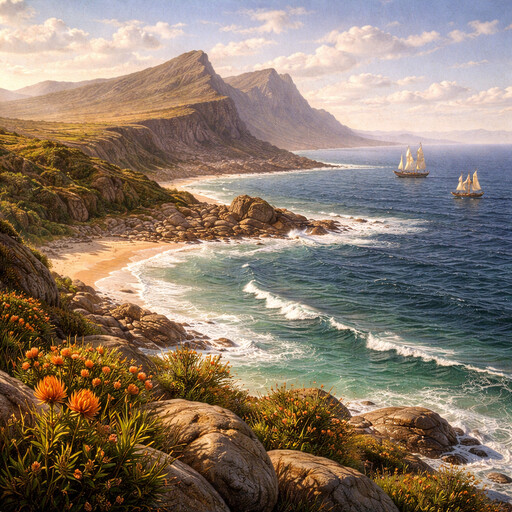
Cape of Good Hope
Southern headland of Africa
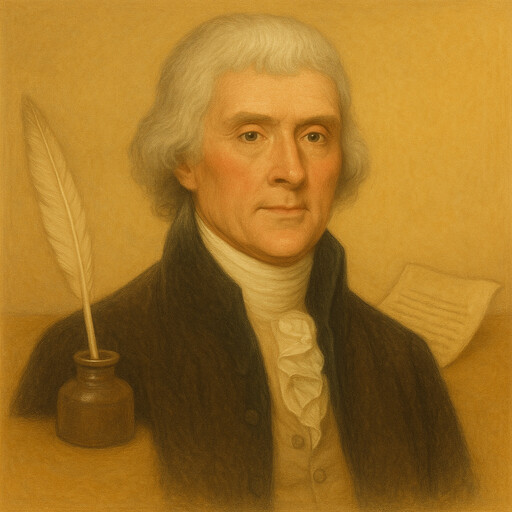
Thomas Jefferson
Author and third U.S. president
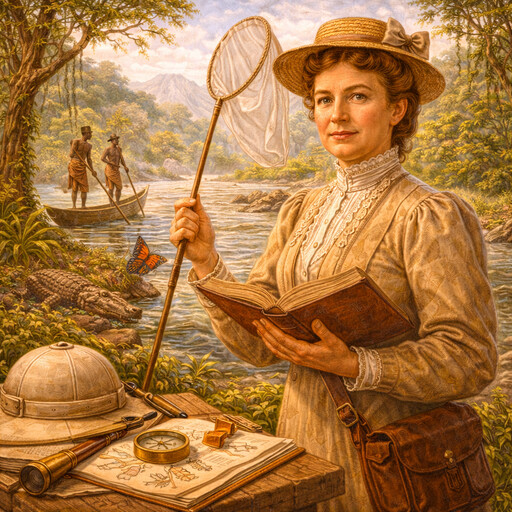
Mary Kingsley
British traveler and writer in West Africa
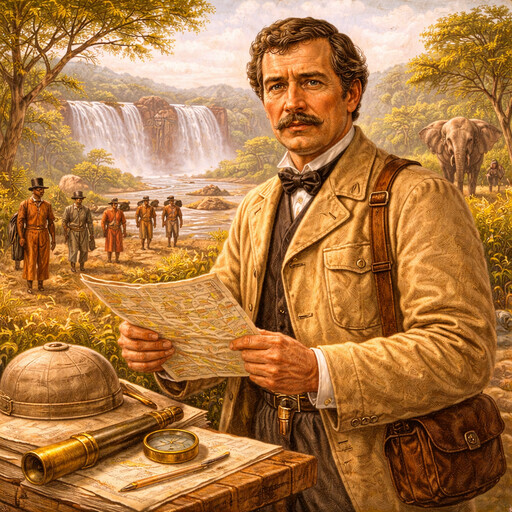
David Livingstone
Scottish explorer of Africa
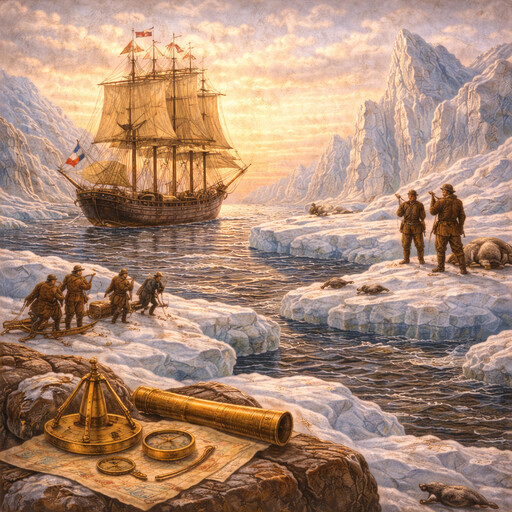
Northwest Passage
A sea route through Arctic waters
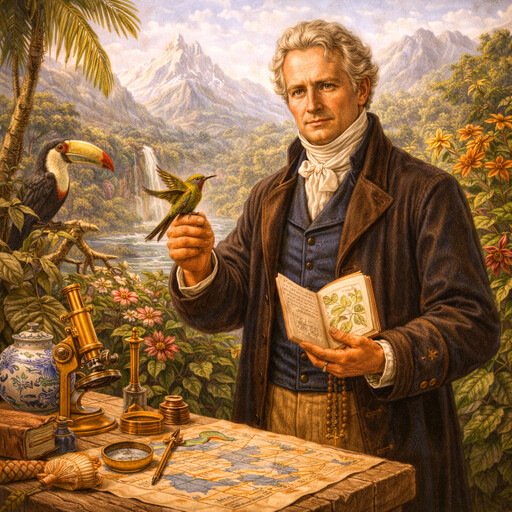
Alexander von Humboldt
Explorer of nature and the natural world

Louisiana Purchase
A land deal that doubled the United States

Lewis and Clark Expedition
Exploring the land west of the Mississippi
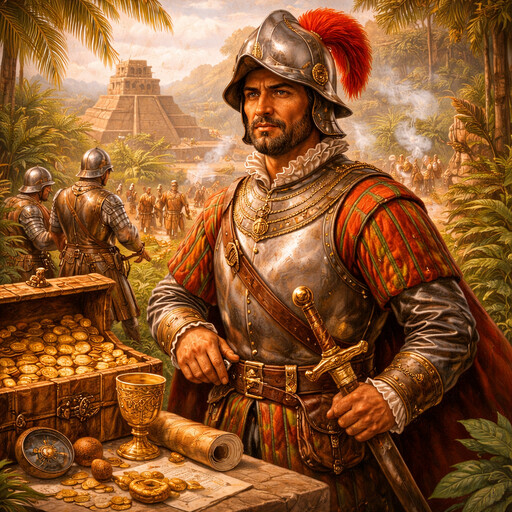
Conquistador
Spanish explorers and soldiers of empire