North Korea lies between China, Russia, South Korea, and the Sea of Japan (East Sea). Roughly 80 percent of the land is mountainous or hilly, with ranges such as Paektu, the nation's highest volcano, and Hamgyong running north–south. Rivers like the Yalu and Tumen mark borders, while the Taedong River flows through the capital, Pyongyang. Winters are long and cold, and summers are humid with monsoon rains and occasional typhoons impacting crops.
North Korea is a single-party socialist state led by the Kim family and the Workers' Party of Korea. The Supreme People's Assembly formally enacts laws, but key decisions come from the party, the State Affairs Commission, and the military. The government controls media, housing, food distribution, and internal travel, and it maintains a large standing army along the Demilitarized Zone (DMZ) with South Korea.
After World War II, the peninsula was divided along the 38th parallel, and North Korea was established in 1948 with Soviet support. The Korean War began in 1950 when North Korean troops crossed into the south; it ended in 1953 with a ceasefire but no peace treaty. North Korea later pursued nuclear weapons and ballistic missiles, leading to sanctions from the United Nations and limited trade with most countries except China and a few partners.
The economy remains centrally planned, focusing on heavy industry, mining, agriculture, and military production. Coal, iron ore, magnesium, and rare earth minerals are extracted from mountains, and state farms cultivate rice, maize, and potatoes on terraced slopes. Food shortages persist due to weather, sanctions, and limited mechanization. The government invests in hydropower dams and experiments with solar panels to reduce fuel imports.
Culture emphasizes socialist ideology, revolutionary opera, and mass gymnastics displays such as the Arirang Festival. Pyongyang features monumental architecture, wide boulevards, and museums honoring leaders, while rural areas rely on collective farms and local party offices. Access to the internet is extremely restricted, and foreign visitors must travel on guided tours. Families participate in yearly loyalty events, wear badges featuring leaders, and study state-approved textbooks that highlight history and science through ideological messages.
North Korea
Level
readlittle.com
Mountainous state on the Korean Peninsula
What We Can Learn
- North Korea is mountainous with rivers forming natural borders and cold winters.
- A single-party socialist system led by the Kim family controls daily life.
- The Korean War and nuclear program affect relations and sanctions.
- Heavy industry, mining, and state farms face shortages under central planning.
Related Reads

Johann Gottfried Herder
German thinker of culture and language
No image
Monarchy
Government ruled by a royal family
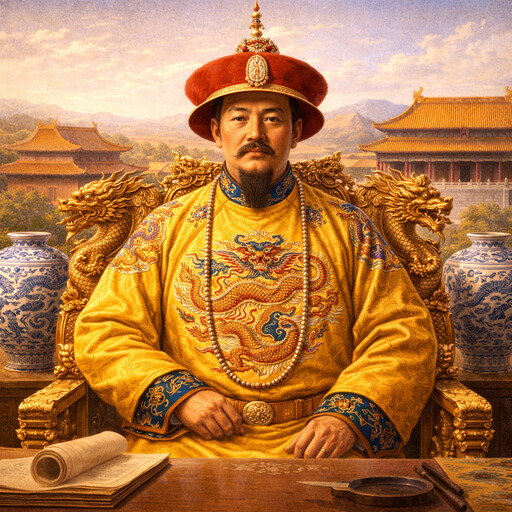
Ming dynasty
Chinese dynasty from 1368 to 1644
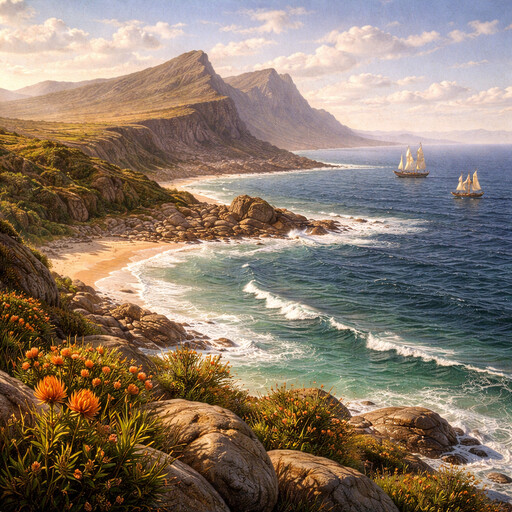
Cape of Good Hope
Southern headland of Africa
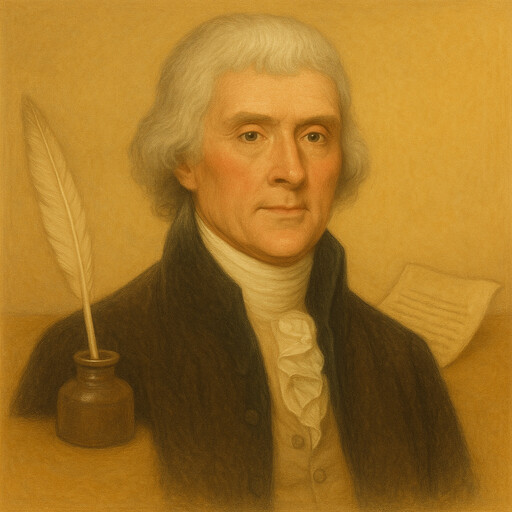
Thomas Jefferson
Author and third U.S. president
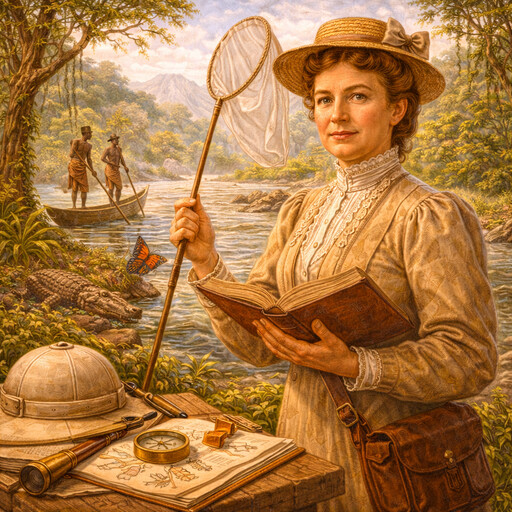
Mary Kingsley
British traveler and writer in West Africa
David Livingstone
Scottish explorer of Africa
Northwest Passage
A sea route through Arctic waters
Alexander von Humboldt
Explorer of nature and the natural world

Louisiana Purchase
A land deal that doubled the United States

Lewis and Clark Expedition
Exploring the land west of the Mississippi
Conquistador
Spanish explorers and soldiers of empire