Liechtenstein stretches only 25 kilometers from north to south, yet it includes snowy Alpine peaks, green meadows, and the Rhine River plain. The capital Vaduz sits below a castle on a rocky hill, and other villages like Schaan, Balzers, and Triesenberg climb the slopes. Trails link forests, dairy pastures, and mountain huts where hikers stop for cheese and soup.
The country is a constitutional principality. A prince serves as head of state, and citizens elect a parliament called the Landtag. Municipal councils manage local services, and voters can call referendums if they want to change laws. Liechtenstein has its own police and postal system, uses Swiss francs as money, and cooperates closely with both Switzerland and Austria on rail, customs, and healthcare.
Liechtenstein's history includes ancient Rhaetian people, Roman trade routes, and medieval families who built churches and castles along the Rhine. In the early 1700s the Liechtenstein family purchased two counties and gained a seat in the Holy Roman Empire, forming the modern state. The country stayed neutral through both world wars, and after World War II it shifted from farming to precision manufacturing and banking.
Today the economy blends high-tech factories, financial services, and tourism. Companies in Liechtenstein make dental tools, aerospace parts, and electronics, often exporting them around the world. Apprenticeships help students learn engineering skills, and public buses connect the villages so workers can commute without driving. Farmers still raise cattle, produce Alpine cheese, and keep orchards along the river.
Culture feels close-knit. Schools celebrate Trachten folk costumes and the country's national day on August 15 with fireworks and open-air concerts near Vaduz Castle. Museums display traditional art and modern sculptures, and winter sports such as skiing, sledding, and snowshoe hikes fill the calendar. Families enjoy dishes like cheese Käsknöpfle and freshly baked rye bread, while kids camp beside clear mountain streams during summer scouts' weeks.
Liechtenstein
Level
readlittle.com
Mountain principality on the Rhine
What We Can Learn
- Liechtenstein lies between Switzerland and Austria along the Rhine plain and Alpine slopes.
- A prince and elected Landtag share power, and citizens can vote in referendums.
- High-tech factories, finance, and farms support the economy.
- Folk festivals, mountain sports, and museums shape daily life.
Related Reads

Johann Gottfried Herder
German thinker of culture and language
No image
Monarchy
Government ruled by a royal family
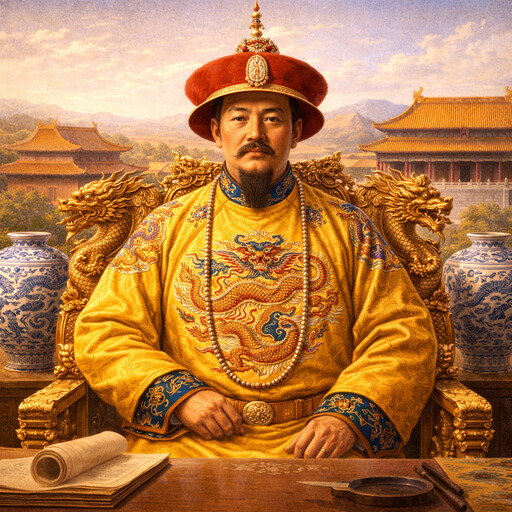
Ming dynasty
Chinese dynasty from 1368 to 1644
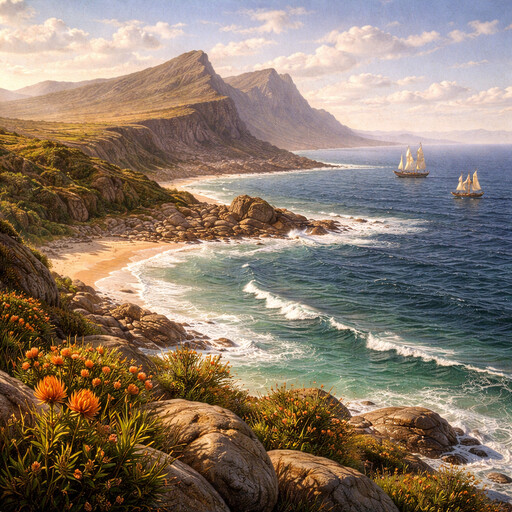
Cape of Good Hope
Southern headland of Africa
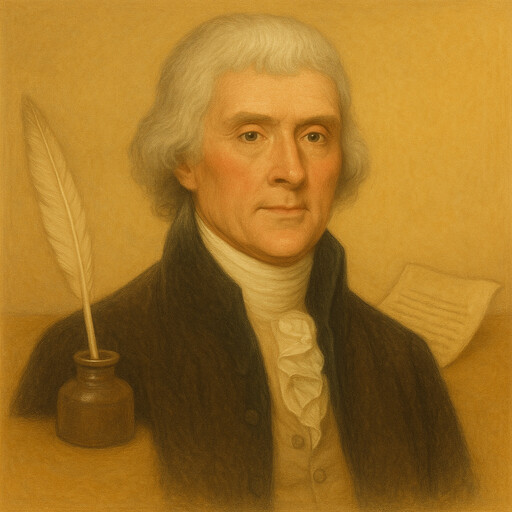
Thomas Jefferson
Author and third U.S. president
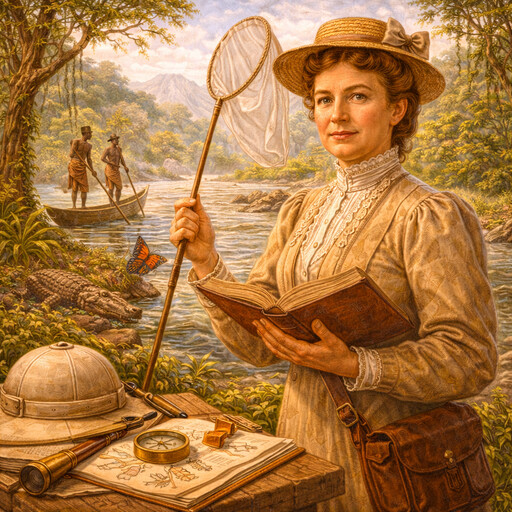
Mary Kingsley
British traveler and writer in West Africa
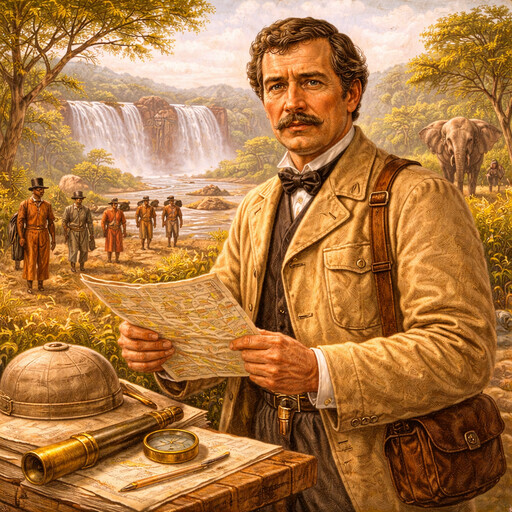
David Livingstone
Scottish explorer of Africa
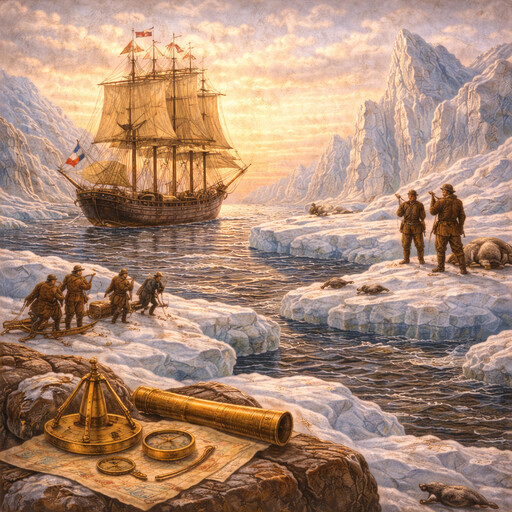
Northwest Passage
A sea route through Arctic waters
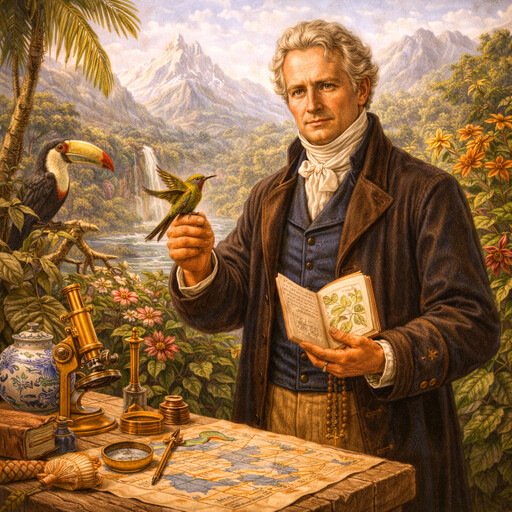
Alexander von Humboldt
Explorer of nature and the natural world

Louisiana Purchase
A land deal that doubled the United States

Lewis and Clark Expedition
Exploring the land west of the Mississippi
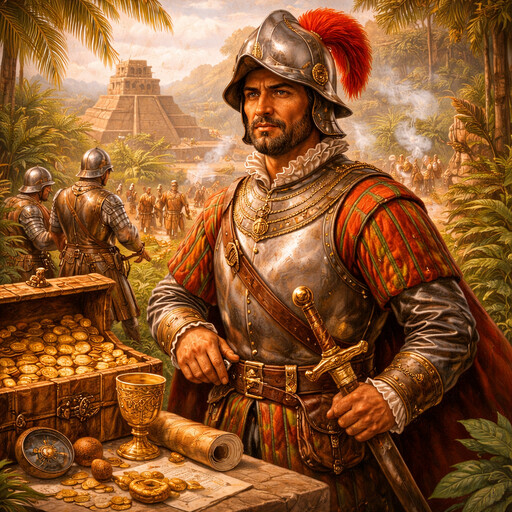
Conquistador
Spanish explorers and soldiers of empire