Luxembourg is a tiny country tucked between Belgium, France, and Germany. It sits on a rocky plateau and the Ardennes hills, where rivers such as the Alzette, Sûre, and Moselle cut deep valleys filled with vineyards, pastures, and forest paths. The capital, Luxembourg City, rises on cliffs protected by ancient walls, while bridges connect modern districts full of museums, tram lines, and parks.
The grand duchy uses three official languages—Luxembourgish, French, and German—and local schools teach children to switch between them during the day. A constitutional grand duke serves as head of state, and a prime minister leads the elected government that meets in the Chamber of Deputies. Communes manage village roads, recycling centers, and sports halls, and each council must protect nearby streams and woodlands.
Luxembourg's history includes Celtic tribes, Roman roads, and medieval fortresses that guarded trade routes. The country stayed neutral for many years, but both world wars brought occupation and rebuilding. After World War II, Luxembourg helped found the European Union and NATO, and today European Court of Justice hearings and new technology offices take place there.
Services such as banking, satellite companies, and secure data centers drive the economy. Trains and cycleways carry commuters from France, Belgium, and Germany each morning, and farmers still raise dairy cows, barley, and wine grapes in the Moselle Valley. The government invests in light-rail projects, space science, and cross-border bus lines so workers can share clean, reliable transport.
Culture mixes folk festivals and global arts. Towns host Schueberfouer fair rides, Christmas markets, and concerts, while castles like Vianden and Clervaux preserve manuscripts and photography. Kids grow up hearing tales about the red lion on the flag and tasting comforting dishes such as Judd mat Gaardebounen, potato pancakes, and fresh apple tart. Every summer, hikers follow the Mullerthal Trail through sandstone arches, and every spring, schools celebrate Europe Day with songs and plays.
Luxembourg
Level
readlittle.com
Green grand duchy between rivers
What We Can Learn
- Luxembourg sits on plateaus and river valleys between Belgium, France, and Germany.
- Three working languages and a constitutional grand duke support daily life.
- Services, farming, and cross-border transport keep the economy stable.
- Castles, parks, and trails preserve history and nature for families.
Related Reads

Johann Gottfried Herder
German thinker of culture and language
No image
Monarchy
Government ruled by a royal family
Ming dynasty
Chinese dynasty from 1368 to 1644
Cape of Good Hope
Southern headland of Africa
Thomas Jefferson
Author and third U.S. president
Mary Kingsley
British traveler and writer in West Africa
David Livingstone
Scottish explorer of Africa
Northwest Passage
A sea route through Arctic waters
Alexander von Humboldt
Explorer of nature and the natural world
Louisiana Purchase
A land deal that doubled the United States

Lewis and Clark Expedition
Exploring the land west of the Mississippi
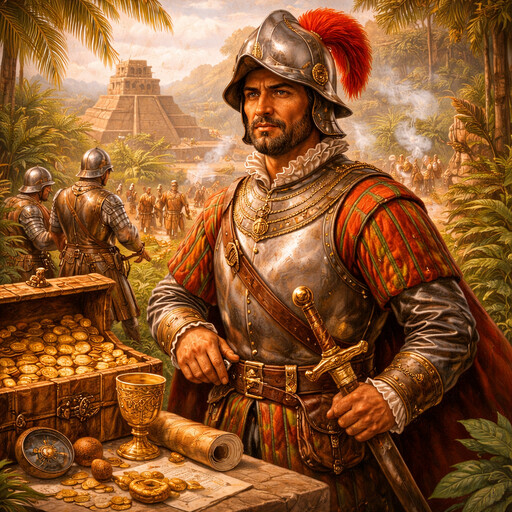
Conquistador
Spanish explorers and soldiers of empire