Richard Nixon was born in California in 1913, worked in his family's grocery store, and won scholarships to college. After serving in the Navy during World War II, he entered politics as a vigorous anti-communist in Congress and the U.S. Senate. As Dwight D. Eisenhower's vice president, he traveled widely and gained a reputation as a tough debater before narrowly losing the 1960 presidential race to John F. Kennedy.
Nixon returned in 1968, appealing to voters troubled by social unrest and the Vietnam War. He promised "peace with honor" and introduced Vietnamization, shifting combat duties to South Vietnamese forces while gradually withdrawing American troops. The Paris Peace Accords in 1973 secured a cease-fire and the return of prisoners of war, although fighting in Southeast Asia continued.
Internationally Nixon pursued "détente," easing tensions with major communist powers. In 1972 he visited the People's Republic of China, meeting Chairman Mao Zedong and opening the door to diplomatic and economic exchanges after decades of isolation. Later that year he signed the Strategic Arms Limitation Treaty (SALT I) with the Soviet Union, setting caps on certain nuclear weapons. Domestically he created the Environmental Protection Agency, expanded Clean Air Act protections, and signed the 26th Amendment lowering the voting age to eighteen.
Economic challenges, including inflation and oil shocks, led Nixon to impose temporary wage and price controls and end the direct link between the U.S. dollar and gold. His administration enforced school desegregation in the South more aggressively than earlier presidents, even while courting the "silent majority" of voters who disliked rapid change.
Nixon's downfall began when burglars tied to his reelection campaign broke into Democratic headquarters at the Watergate complex in 1972. Investigations uncovered White House efforts to cover up the crime, secret tape recordings, and abuses of power. Facing near-certain impeachment, Nixon resigned on August 8, 1974, becoming the only U.S. president to leave office voluntarily. He spent his later years writing foreign policy books and advising future leaders.
Richard Nixon
Level
readlittle.com
Foreign policy breakthroughs and scandal
What We Can Learn
- Nixon pursued Vietnamization and negotiated the Paris Peace Accords
- He opened relations with China and signed arms limitation agreements
- Environmental policies such as the EPA and Clean Air Act emerged on his watch
- The Watergate scandal exposed abuses of power and forced his resignation
Related Reads
No image
Boston
An early American coastal city
No image
Vienna
Capital city on the Danube River

Johann Gottfried Herder
German thinker of culture and language

Holodomor
Famine in Soviet Ukraine, 1932–1933

Vilnius
Historic capital city of Lithuania

Ivan III
Founder of a unified Russian state
No image
Monarchy
Government ruled by a royal family

Józef Piłsudski
Leader of modern independent Poland

Molotov–Ribbentrop Pact
Non-aggression agreement before World War II

Adam Mickiewicz
Poet of Polish Romantic literature
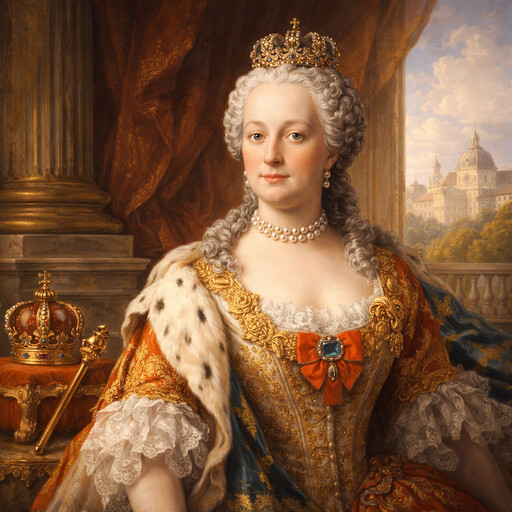
Maria Theresa
Powerful ruler of the Habsburg lands

Polish–Soviet War
War over borders after World War I