American Samoa lies southeast of Samoa and north of Tonga, with Tutuila Island hosting the capital Pago Pago and the main harbor. The Manu'a Islands—Taʻū, Ofu, and Olosega—feature dramatic cliffs and the National Park of American Samoa. Two coral atolls, Swains Island and Rose Atoll, provide wildlife sanctuaries for seabirds and giant clams. Steep volcanic ridges catch abundant rainfall, feeding rainforests and waterfalls that supply drinking water.
Polynesians settled the islands around 3,000 years ago, developing intricate genealogies, village councils, and sea navigation skills. In 1899, the Tripartite Convention split the Samoan archipelago between Germany (later Western Samoa) and the United States, which claimed Tutuila and Manu'a. The U.S. Navy administered the islands until 1951, when responsibility shifted to the Department of the Interior. Residents are U.S. nationals, not citizens by birth, though many obtain citizenship through naturalization. Debates over political status continue, balancing cultural autonomy with federal representation.
American Samoa has a locally elected governor, lieutenant governor, and bicameral legislature known as the Fono, composed of the Senate and House of Representatives. Matai chiefs select senators according to custom, while representatives are elected by popular vote. A delegate without floor vote represents the territory in the U.S. Congress. Village councils enforce Fa'a Samoa (the Samoan way), oversee communal lands, and coordinate disaster preparedness.
The economy relies on tuna canneries in Pago Pago Harbor, U.S. federal grants, small-scale agriculture, and remittances from Samoans living abroad or serving in the U.S. military. Farmers cultivate taro, bananas, and breadfruit, and fishers harvest skipjack tuna and reef fish. Tourism highlights hiking to Mount ʻAlava, snorkeling in Ofu Lagoon, and cultural performances at the Jean P. Haydon Museum. Renewable-energy projects install solar microgrids on Manu'a and explore tidal energy pilots.
Fa'a Samoa emphasizes respect for elders, communal labor, and church life. Families gather for toʻonaʻi (Sunday feasts) featuring taro, palusami coconut cream, and pisupo corned beef. Dancers perform siva and fire-knife routines, while youth compete in rugby and American football. Schools teach Samoan and English, and students join Junior Reserve Officers' Training Corps, coral reef monitoring teams, and digital storytelling workshops that preserve oral histories of typhoons and migrations.
American Samoa
Level
readlittle.com
U.S. territory with Fa'a Samoa
What We Can Learn
- American Samoa includes volcanic islands like Tutuila and Manu'a plus small atolls.
- Polynesian settlement, U.S. Navy rule, and modern territorial status shape governance.
- A governor, Fono, and matai chiefs share responsibilities under Fa'a Samoa.
- Tuna processing, agriculture, and federal support sustain the economy alongside cultural pride.
Related Reads

Johann Gottfried Herder
German thinker of culture and language
No image
Monarchy
Government ruled by a royal family
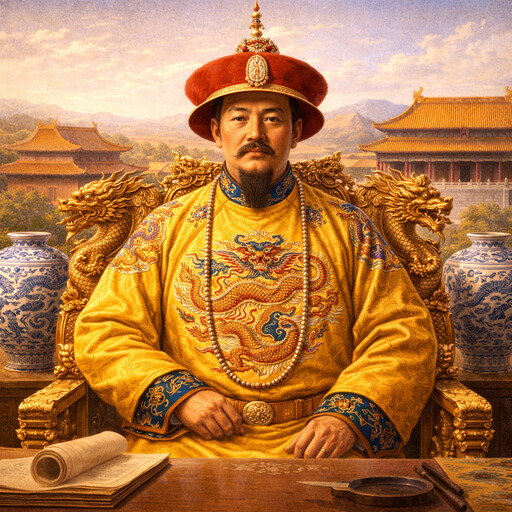
Ming dynasty
Chinese dynasty from 1368 to 1644
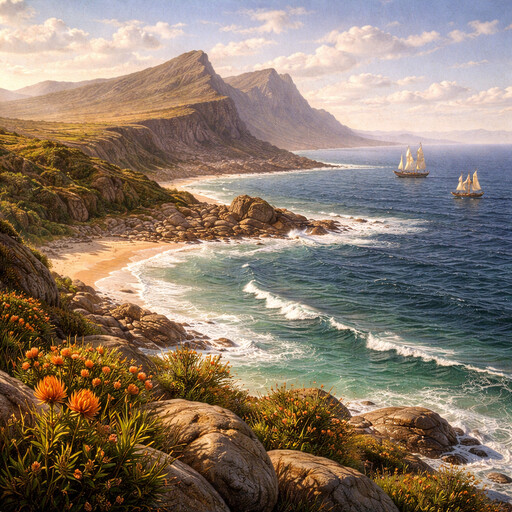
Cape of Good Hope
Southern headland of Africa
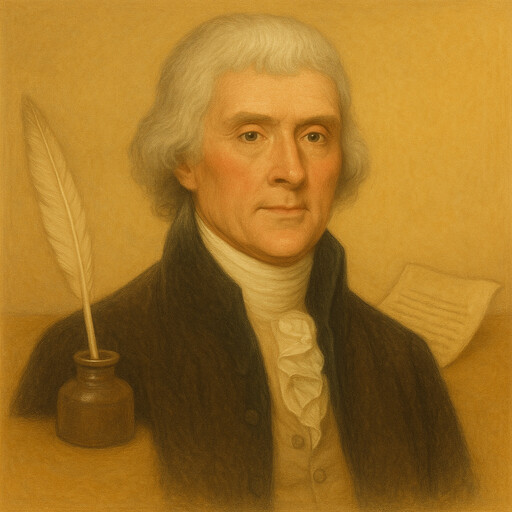
Thomas Jefferson
Author and third U.S. president
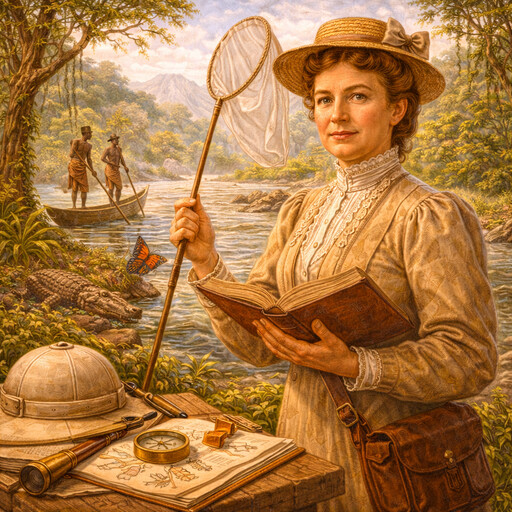
Mary Kingsley
British traveler and writer in West Africa
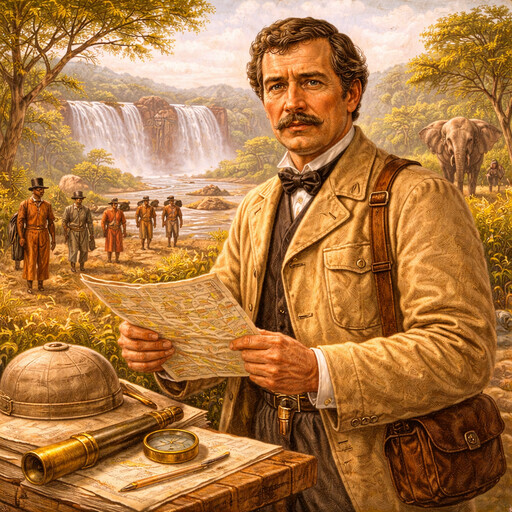
David Livingstone
Scottish explorer of Africa
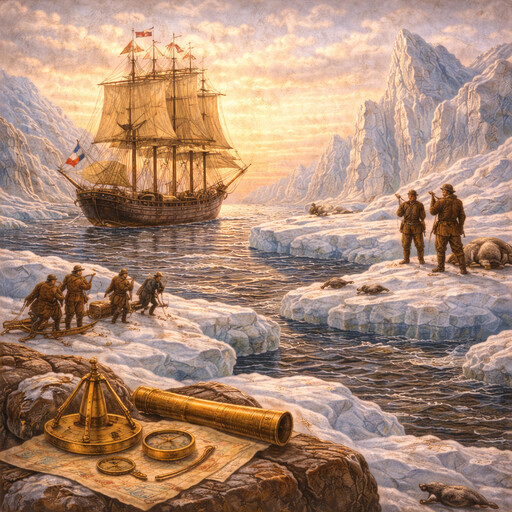
Northwest Passage
A sea route through Arctic waters
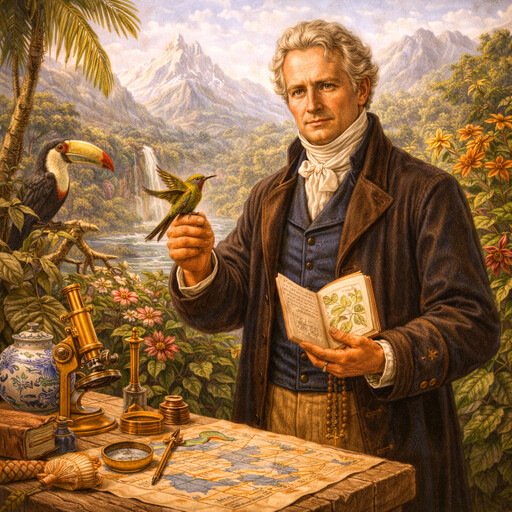
Alexander von Humboldt
Explorer of nature and the natural world
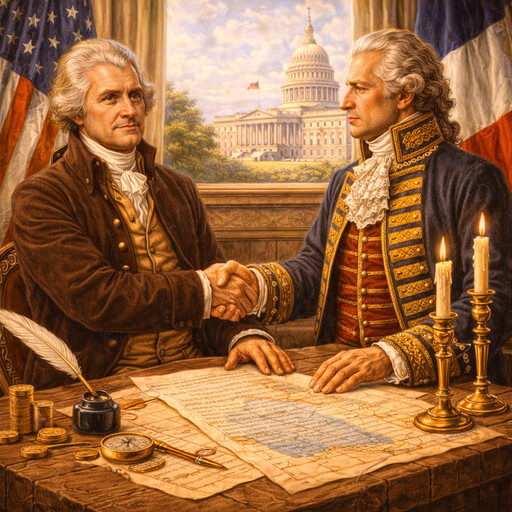
Louisiana Purchase
A land deal that doubled the United States

Lewis and Clark Expedition
Exploring the land west of the Mississippi
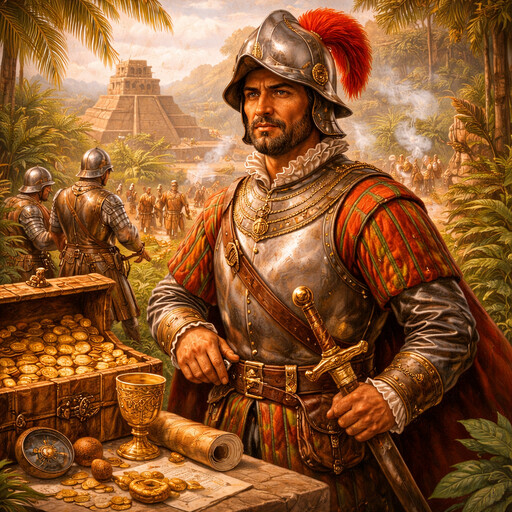
Conquistador
Spanish explorers and soldiers of empire