Samoa lies roughly halfway between Hawaii and New Zealand, consisting of the large islands Upolu and Savai'i plus several smaller islets. Lava fields, waterfalls, blowholes, and sandy beaches share space with rainforests full of banyan trees and flying foxes. Apia, the capital on Upolu, hosts the main port, government offices, and markets selling taro, breadfruit, and handicrafts. Trade winds and tropical cyclones shape the seasons, while coral reefs and lagoons protect fishing grounds for villages.
Archaeological evidence shows Lapita navigators settled Samoa around 3,000 years ago, establishing a Polynesian cultural heartland. European ships arrived in the 1700s, and Germany, Britain, and the United States competed for influence until Samoa became a German colony in 1900. After World War I, New Zealand administered Western Samoa under a League of Nations mandate. Independence was achieved in 1962, making Samoa the first Polynesian state to regain sovereignty in the 20th century. In 1997 the nation officially changed its name from Western Samoa to Samoa and later shifted the international dateline to align business hours with Australia and New Zealand.
Samoa operates as a parliamentary democracy with a head of state elected by parliament and a prime minister leading the cabinet. The Legislative Assembly includes MPs, most of whom hold matai (chiefly) titles representing extended families. Village councils enforce customary law, coordinate disaster preparedness, and steward communal land. The government invests in solar microgrids, resilient schools, and seawalls, especially after deadly tsunamis and measles outbreaks.
The economy relies on agriculture, tourism, fisheries, remittances, and niche industries such as coconut oil and organic cocoa. Families cultivate taro, bananas, and breadfruit, while women weave fine mats and siapo bark cloth. Resorts highlight waterfalls, lava tubes, and surf spots, and cultural villages teach visitors dance and tattoo traditions. Samoa also promotes digital entrepreneurship, enabling youth to develop apps and e-commerce businesses from co-working hubs in Apia.
Fa'a Samoa—the Samoan way—emphasizes respect, family, and service. Church choirs fill Sundays with harmony, while fiafia evenings feature siva dances and fire-knife performances. Rugby is a national passion, and many Samoans play professionally overseas. Students learn both Samoan and English, join climate clubs that plant mangroves, and participate in vaka (outrigger canoe) races, demonstrating pride in heritage and stewardship of the ocean.
Samoa
Level
readlittle.com
Fa'a Samoa across volcanic isles
What We Can Learn
- Samoa's volcanic islands host rainforests, reefs, and villages rooted in fa'a Samoa values.
- Lapita settlement, colonial rivalries, and 1962 independence define its history.
- A parliamentary democracy works alongside matai councils and custom law.
- Agriculture, tourism, remittances, and cultural enterprises drive the economy while supporting community resilience.
Related Reads

Johann Gottfried Herder
German thinker of culture and language
No image
Monarchy
Government ruled by a royal family
Ming dynasty
Chinese dynasty from 1368 to 1644
Cape of Good Hope
Southern headland of Africa
Thomas Jefferson
Author and third U.S. president
Mary Kingsley
British traveler and writer in West Africa
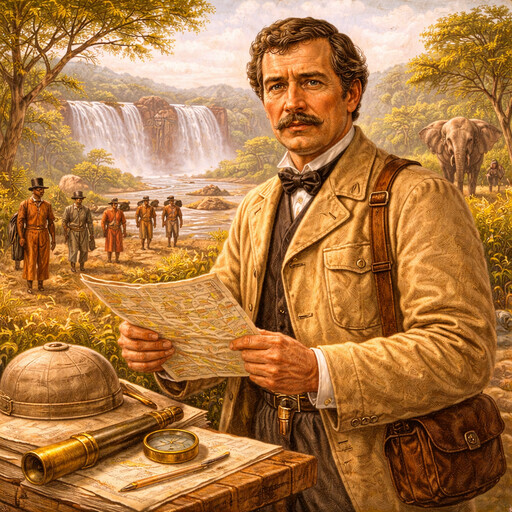
David Livingstone
Scottish explorer of Africa
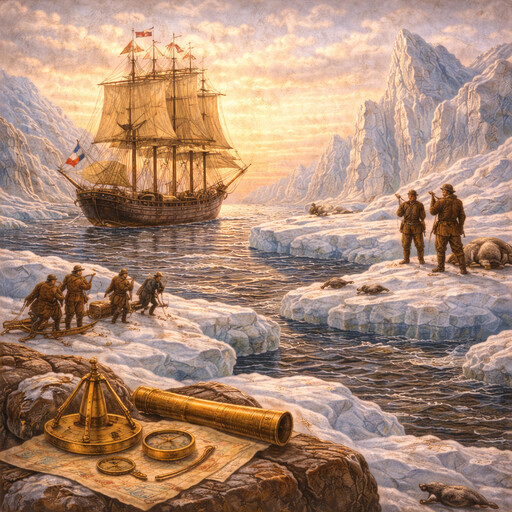
Northwest Passage
A sea route through Arctic waters
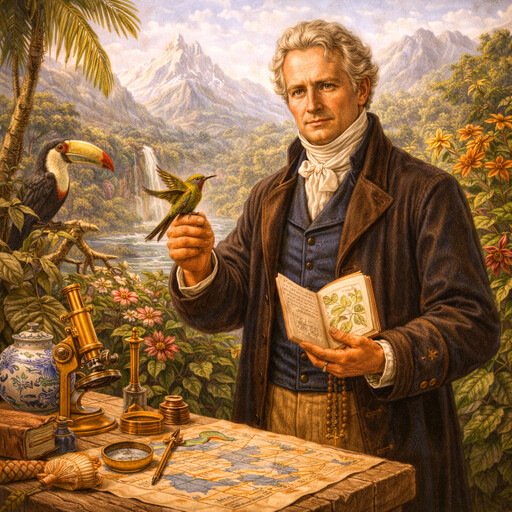
Alexander von Humboldt
Explorer of nature and the natural world
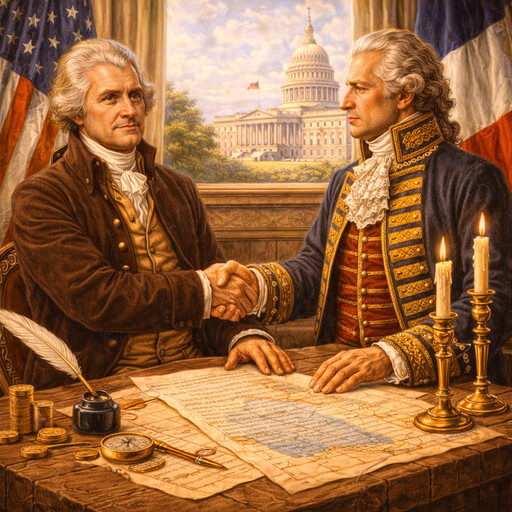
Louisiana Purchase
A land deal that doubled the United States

Lewis and Clark Expedition
Exploring the land west of the Mississippi
Conquistador
Spanish explorers and soldiers of empire