Tonga stretches over 800 kilometers from the Niuas in the north to Tongatapu in the south, roughly between Fiji and Samoa. Only 45 islands are inhabited, and they feature raised coral plateaus, volcanic cones, and fertile soils that support taro, vanilla, and squash. The capital Nuku'alofa sits on Tongatapu, ringed by lagoons, royal palaces, and bustling markets. Humpback whales migrate through Tongan waters during winter, attracting researchers and eco-tourists, while coral reefs and seamounts support tuna fisheries.
Polynesian settlers established Tonga's chiefdoms around 1500 BCE, forming the powerful Tu'i Tonga maritime empire in the 1200s. Dutch explorer Abel Tasman named the archipelago the Friendly Islands in 1643 after receiving warm hospitality. Missionaries and traders arrived in the 1800s, and King George Tupou I unified the islands under a constitutional monarchy in 1875. Tonga remained the only Pacific nation never formally colonized, signing treaties rather than ceding sovereignty. Modern Tonga works with partners to recover from cyclones, the 2022 Hunga Tonga-Hunga Ha'apai volcanic eruption, and rising sea levels.
Tonga's government is a constitutional monarchy led by the king and an elected Legislative Assembly. Nobles hold reserved seats, while commoners elect the majority of representatives. Cabinet ministers oversee education, health, and infrastructure, and village councils coordinate disaster plans, church events, and communal farming. The government expands fiber-optic internet, cyclone-resilient housing, and seawalls to protect low-lying areas.
The economy relies on agriculture, fisheries, remittances, handicrafts, and tourism. Farmers export squash to Japan, vanilla to specialty markets, and root crops to Tongan communities abroad. Women weave ngatu tapa cloth and fine mats, while carvers craft outrigger canoes and wooden bowls. Tourism highlights whale-watching, cultural shows, and archaeological sites such as Ha'amonga 'a Maui trilithon. Tonga also invests in renewable energy microgrids and seawater desalination for outlying islands.
Fa'a Tonga, or the Tongan way, emphasizes respect, generosity, and song. Villagers gather for kava circles, brass bands perform hymns, and rugby union teams unite fans worldwide. Students learn Tongan and English, participate in climate-science clubs, and create digital archives that preserve lullabies and genealogies. Diaspora communities in New Zealand, Australia, and the United States send remittances and volunteer expertise in medicine, engineering, and media.
Tonga
Level
readlittle.com
Friendly Islands of royal heritage
What We Can Learn
- Tonga covers scattered islands with coral cliffs, fertile farms, and whale-rich waters.
- The Tu'i Tonga empire, 1875 constitution, and non-colonized status highlight its history.
- A constitutional monarchy shares decision-making between nobles and elected representatives.
- Agriculture, fisheries, handicrafts, remittances, and renewable energy support resilience.
Related Reads

Johann Gottfried Herder
German thinker of culture and language
No image
Monarchy
Government ruled by a royal family
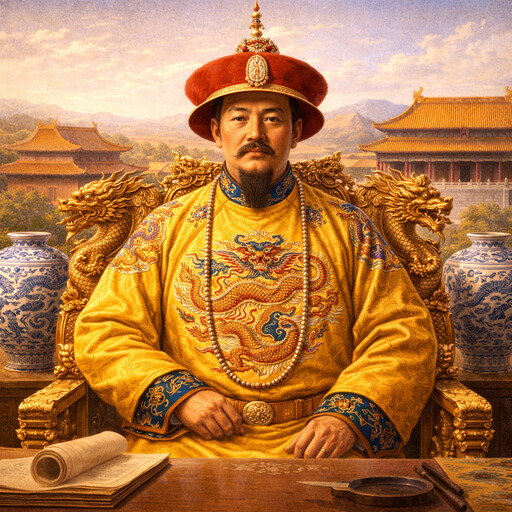
Ming dynasty
Chinese dynasty from 1368 to 1644
Cape of Good Hope
Southern headland of Africa
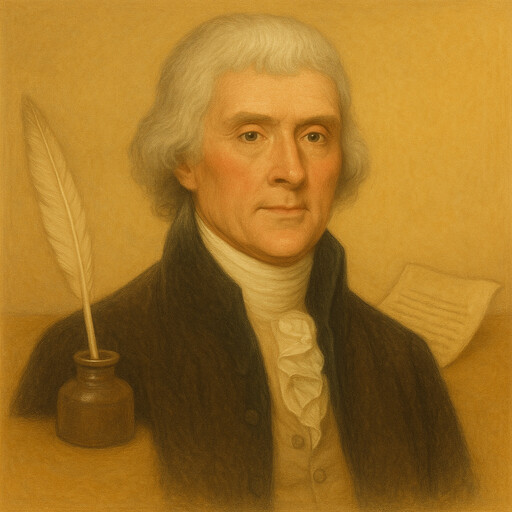
Thomas Jefferson
Author and third U.S. president
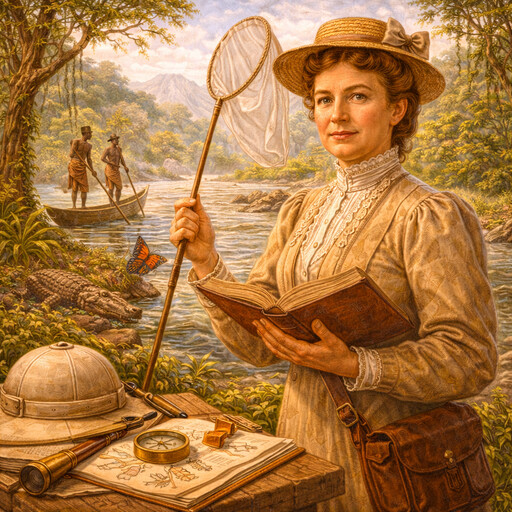
Mary Kingsley
British traveler and writer in West Africa
David Livingstone
Scottish explorer of Africa
Northwest Passage
A sea route through Arctic waters
Alexander von Humboldt
Explorer of nature and the natural world

Louisiana Purchase
A land deal that doubled the United States

Lewis and Clark Expedition
Exploring the land west of the Mississippi
Conquistador
Spanish explorers and soldiers of empire