Fiji lies northeast of New Zealand and east of Australia, spanning more than 300 islands surrounded by the South Pacific Ocean. The largest islands, Viti Levu and Vanua Levu, feature volcanic peaks, river valleys, and coastal plains where towns like Suva, Nadi, and Labasa sit. Trade winds bring wet seasons from November to April, filling rivers and nurturing mangroves, while dry seasons offer sunny days for farming and snorkeling. Coral reefs shelter reef sharks, turtles, and giant clams, making Fiji a top diving destination.
Archaeological sites show that Austronesian voyagers and later Melanesian settlers reached Fiji about 3,500 years ago, cultivating taro and building double-hulled canoes. European explorers arrived in the 1700s, and Fiji became a British colony in 1874. The country gained independence in 1970 and later adopted a republican constitution. Military coups disrupted politics in the 1980s and 2000s, but democratic elections resumed in 2014, leading to constitutional reforms and stronger anti-discrimination laws.
Fiji is now a parliamentary democracy with a president as head of state and a prime minister leading the government. Citizens elect a single national parliament, and provincial councils work with traditional chiefs to manage land leases and cultural events. The government invests in cyclone shelters, resilient schools, and digital services to connect remote islands via submarine cables and satellite links.
The economy centers on tourism, sugarcane plantations, fisheries, bottled water, and remittances from overseas workers. Resorts and homestays welcome guests with the bula greeting, sharing meke dance performances and kava ceremonies. Hydropower from Monasavu Dam and solar microgrids on outer islands reduce reliance on imported fuel. Farmers diversify into ginger, cocoa, and vanilla crops, and marine biologists restore coral nurseries to support sustainable fishing cooperatives.
Fijian culture emphasizes community and sharing. iTaukei villages hold solesolevaki work parties, Indo-Fijian communities celebrate Diwali with lanterns and sweets, and Rotuman families host turtle-shell dances. Rugby sevens teams inspire national pride, winning Olympic gold medals. Students learn English, Fijian, and Hindi, join climate action clubs, and participate in mangrove replanting projects that protect coastlines from rising seas.
Fiji
Level
readlittle.com
Coral islands powered by bula spirit
What We Can Learn
- Fiji includes volcanic islands and coral reefs shaped by trade winds and tropical seas.
- Austronesian settlers, British rule, independence, and recent democratic reforms define its history.
- A parliamentary democracy coordinates with provincial councils and traditional chiefs.
- Tourism, agriculture, clean energy, and cultural celebrations sustain the economy and community life.
Related Reads

Johann Gottfried Herder
German thinker of culture and language
No image
Monarchy
Government ruled by a royal family
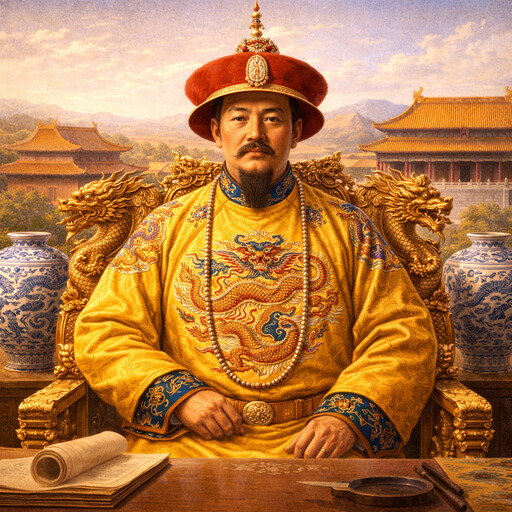
Ming dynasty
Chinese dynasty from 1368 to 1644
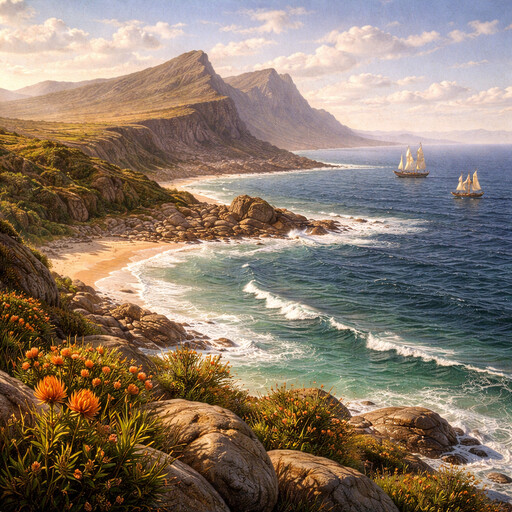
Cape of Good Hope
Southern headland of Africa
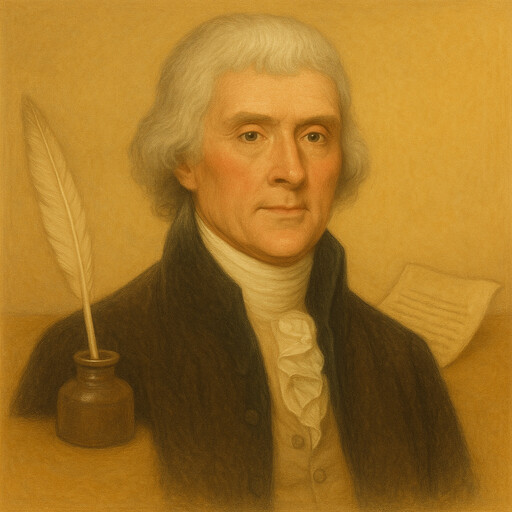
Thomas Jefferson
Author and third U.S. president
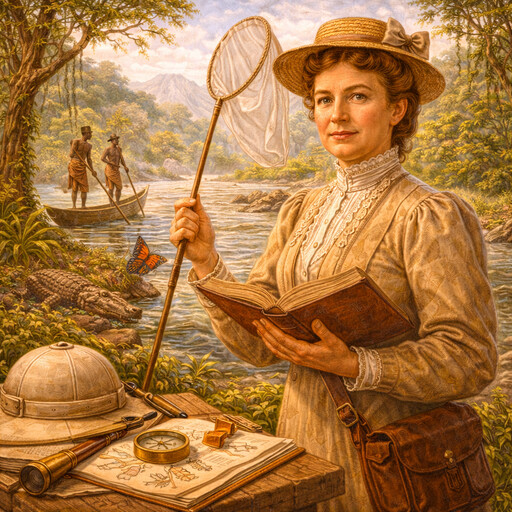
Mary Kingsley
British traveler and writer in West Africa
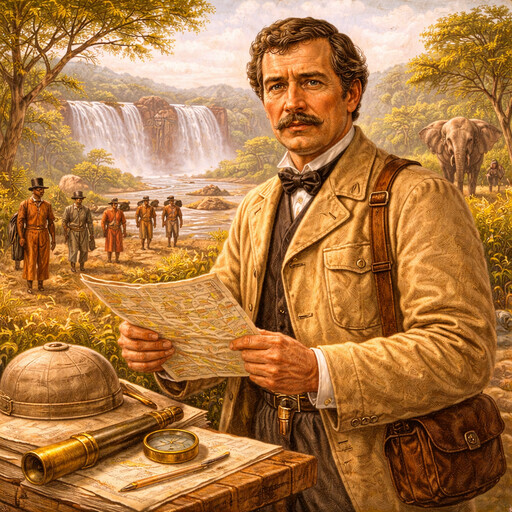
David Livingstone
Scottish explorer of Africa
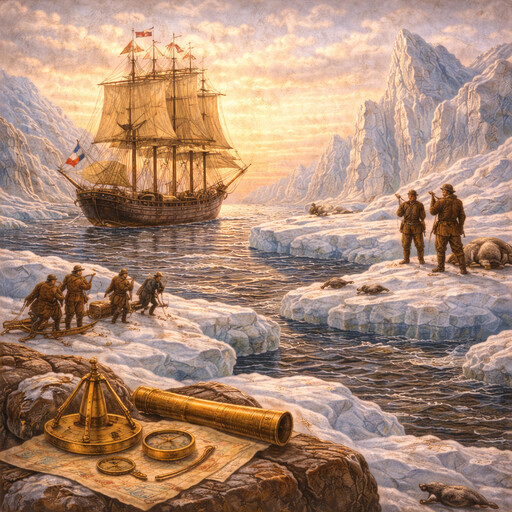
Northwest Passage
A sea route through Arctic waters
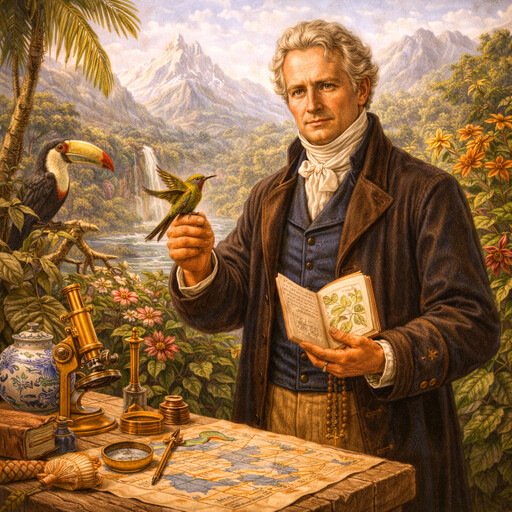
Alexander von Humboldt
Explorer of nature and the natural world

Louisiana Purchase
A land deal that doubled the United States

Lewis and Clark Expedition
Exploring the land west of the Mississippi
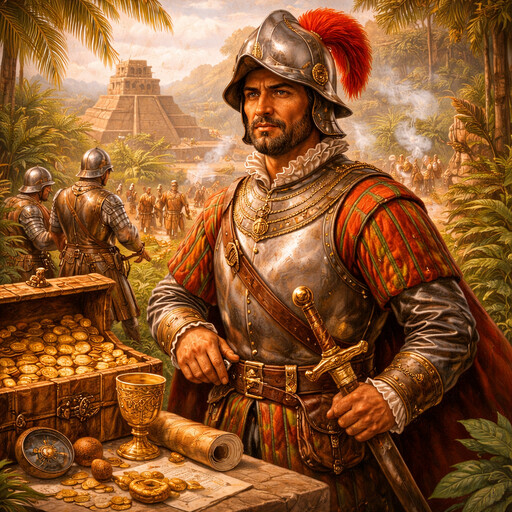
Conquistador
Spanish explorers and soldiers of empire