Tajikistan borders Afghanistan, Uzbekistan, Kyrgyzstan, and China. About 93 percent of the country is mountainous, with the Pamir range reaching above 7,000 meters and the Fann Mountains providing alpine lakes and trekking routes. The Amu Darya River, known locally as the Panj, forms the southern border with Afghanistan, while tributaries like the Vakhsh and Zeravshan carve fertile valleys. Summers are warm, winters can be severe, and remote villages rely on tunnels and passes that close in heavy snow.
Tajikistan is a presidential republic. The president appoints the government, and a bicameral Supreme Assembly passes laws. Regions include Sughd, Khatlon, the Districts of Republican Subordination, and the autonomous Gorno-Badakhshan region (GBAO), which covers much of the Pamirs. Dushanbe, the capital, hosts broad avenues, national museums, and new hydropower offices that manage river projects.
The area has deep Persian roots, with ancient Sogdian traders and poets like Rudaki influencing culture. Tajikistan joined the Russian Empire in the 1800s, later became a Soviet republic, and declared independence in 1991. A civil war from 1992 to 1997 ended with a peace agreement, and today Tajikistan belongs to regional groups such as the Commonwealth of Independent States and the Shanghai Cooperation Organisation.
The economy depends on agriculture, hydropower, aluminum production, and remittances from workers abroad. Farmers grow cotton, wheat, apricots, and pomegranates in irrigated valleys. The Nurek Dam, once the tallest in the world, and the new Rogun Dam harness the Vakhsh River to generate electricity for domestic use and export. Aluminum smelters near Tursunzoda rely on this power, and entrepreneurs in Dushanbe open IT parks and rug-making cooperatives.
Culture blends Tajik (Persian) language with Pamiri dialects, Islamic traditions, and mountain hospitality. Homes feature colorful suzani embroidery, and music ensembles play the rubab lute and doira drum. Navruz spring festivities include haft-seen tables and buzkashi horseback games, while national dishes like plov and qurutob (bread with yogurt sauce) feed large gatherings. Students learn Tajik written in Cyrillic script and study Russian and English for trade and tourism.
Tajikistan
Level
readlittle.com
Pamiri peaks and river valleys
What We Can Learn
- Tajikistan consists mainly of the Pamir and Fann Mountains with valleys along the Amu Darya.
- A presidential republic oversees regions including autonomous Gorno-Badakhshan.
- History includes Persian heritage, Soviet membership, and a 1990s civil war.
- Hydropower, agriculture, aluminum, and remittances sustain the economy and culture.
Related Reads

Johann Gottfried Herder
German thinker of culture and language
No image
Monarchy
Government ruled by a royal family
Ming dynasty
Chinese dynasty from 1368 to 1644
Cape of Good Hope
Southern headland of Africa
Thomas Jefferson
Author and third U.S. president
Mary Kingsley
British traveler and writer in West Africa
David Livingstone
Scottish explorer of Africa
Northwest Passage
A sea route through Arctic waters
Alexander von Humboldt
Explorer of nature and the natural world
Louisiana Purchase
A land deal that doubled the United States

Lewis and Clark Expedition
Exploring the land west of the Mississippi
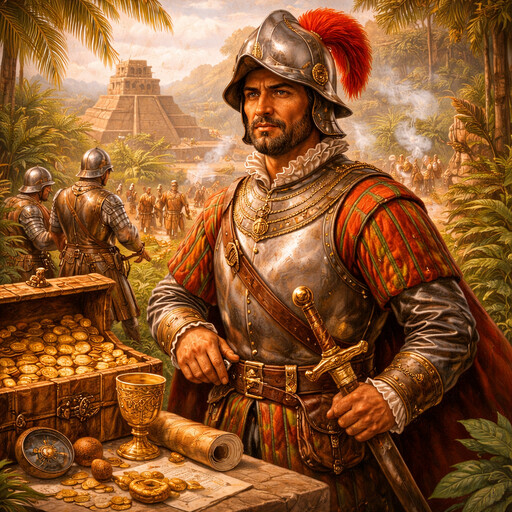
Conquistador
Spanish explorers and soldiers of empire