Kyrgyzstan lies between Kazakhstan, Uzbekistan, Tajikistan, and China. More than 90 percent of the land sits above 1,500 meters, with snowcapped ridges, glacial lakes, and summer pastures called jailoos. Lake Issyk-Kul, one of the world's largest alpine lakes, never freezes because of its mineral-rich water and geothermal springs. The Fergana Valley's western edge provides fertile farms, while the high Naryn River canyon supplies hydropower dams and white-water rafting routes.
Kyrgyzstan operates as a parliamentary democracy. Citizens elect the Jogorku Kenesh (parliament), which appoints a prime minister, and the president serves as head of state. Regions (oblasts) and local ayil okmotu councils oversee schools, clinics, and pasture management. The capital Bishkek mixes Soviet grid streets with markets, universities, and startup hubs focused on software and tourism services.
History traces Turkic tribes, the Kyrgyz Khanate, and Silk Road caravans crossing mountain passes. The territory joined the Russian Empire in the 1800s and became a Soviet republic before declaring independence in 1991. Kyrgyzstan has experienced several peaceful revolutions since 2005, promoting a vibrant civil society and media landscape compared to its neighbors.
The economy relies on gold mining at Kumtor, hydropower exports, agriculture, and remittances from migrant workers. Shepherds raise sheep, horses, and yaks on jailoos, producing wool, felt, and kumis. Farmers grow wheat, potatoes, fruit, and walnuts, while markets sell honey, handicrafts, and dried apricots. Tourism focuses on trekking, horseback expeditions, community-run yurt camps, and cultural festivals such as the World Nomad Games.
Culture highlights nomadic hospitality, felt art, and epic poetry like the 500,000-line "Manas" saga. Traditional yurts are decorated with patterned shyrdak carpets, and artisans carve wooden saddles and komuz lutes. Meals include beshbarmak noodles, laghman stir-fried noodles, manty dumplings, and fermented mare's milk. Young people study Kyrgyz and Russian in school, and many learn English to guide tours or develop digital platforms that share Kyrgyz heritage online.
Kyrgyzstan
Level
readlittle.com
Mountain republic of lakes and yurts
What We Can Learn
- Kyrgyzstan is a high-altitude country of Tien Shan mountains, Issyk-Kul Lake, and fertile valleys.
- A parliamentary democracy governs regions and promotes civil society.
- History includes nomadic khanates, Soviet rule, and peaceful revolutions after 1991.
- Gold mining, hydropower, herding, and tourism sustain the economy and nomadic culture.
Related Reads

Johann Gottfried Herder
German thinker of culture and language
No image
Monarchy
Government ruled by a royal family
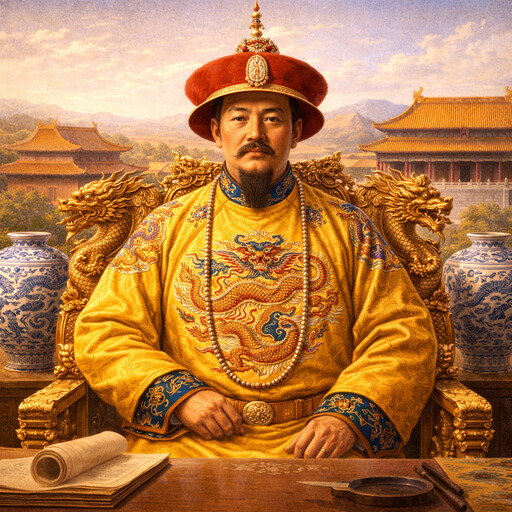
Ming dynasty
Chinese dynasty from 1368 to 1644
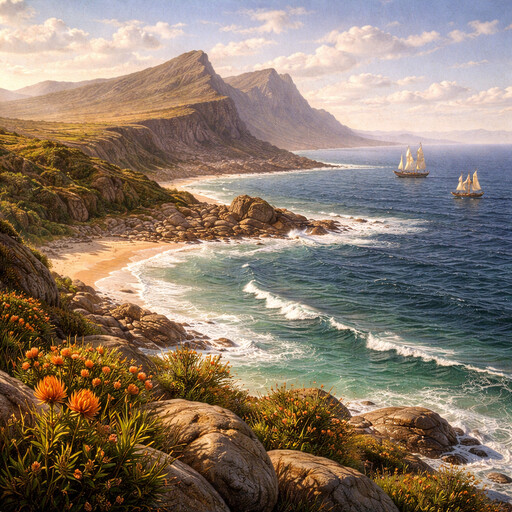
Cape of Good Hope
Southern headland of Africa
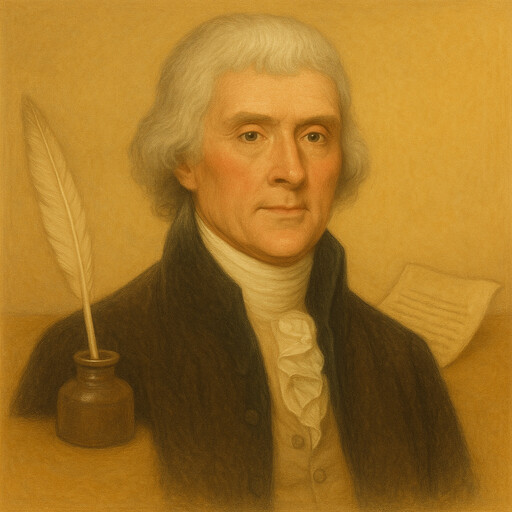
Thomas Jefferson
Author and third U.S. president
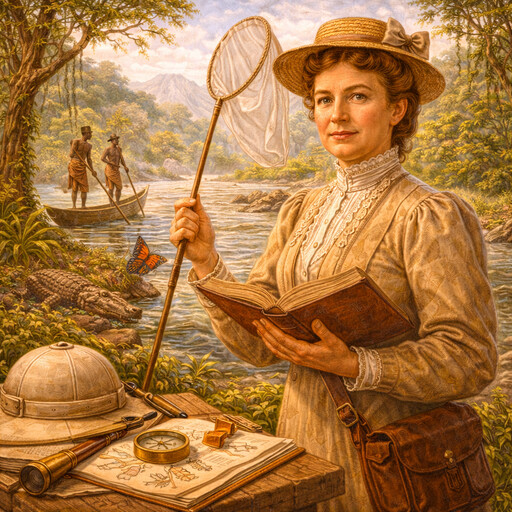
Mary Kingsley
British traveler and writer in West Africa
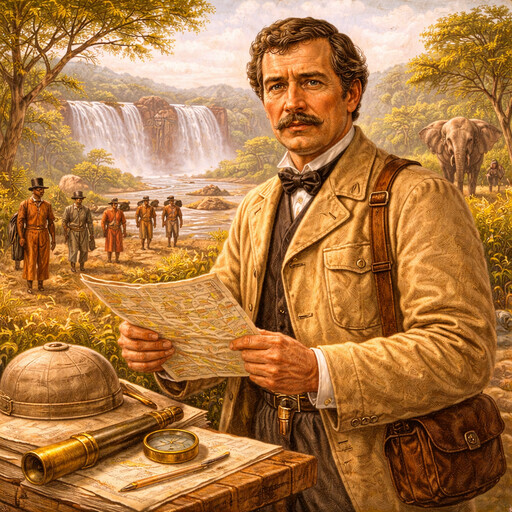
David Livingstone
Scottish explorer of Africa
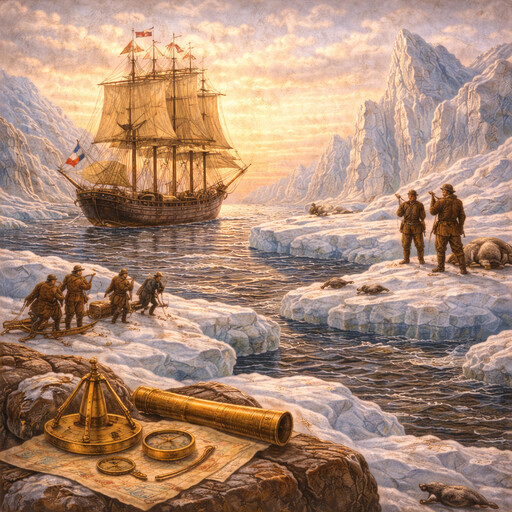
Northwest Passage
A sea route through Arctic waters
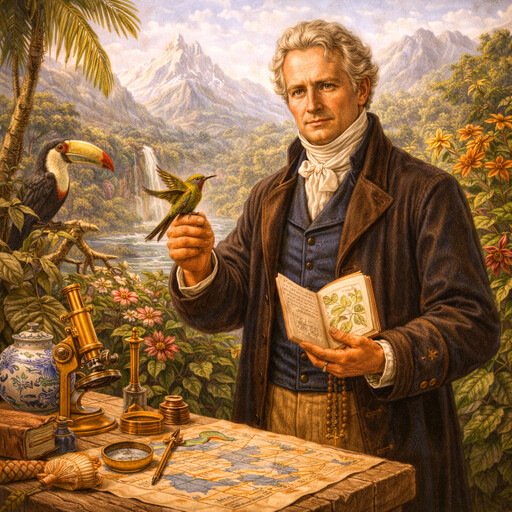
Alexander von Humboldt
Explorer of nature and the natural world

Louisiana Purchase
A land deal that doubled the United States

Lewis and Clark Expedition
Exploring the land west of the Mississippi
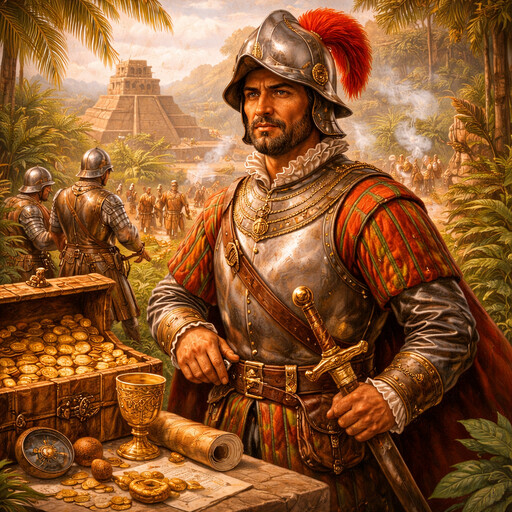
Conquistador
Spanish explorers and soldiers of empire