Uzbekistan sits in the heart of Central Asia, bordered by Kazakhstan, Kyrgyzstan, Tajikistan, Afghanistan, and Turkmenistan. About 80 percent of the landscape is desert or steppe, including the Kyzylkum Desert, yet irrigated oases surrounding the Amu Darya and Syr Darya Rivers nurture cotton, orchards, and vineyards. The Fergana Valley in the east is one of the region's most fertile basins, framed by the Tien Shan mountains. Summers are hot and dry, winters are chilly, and the shrinking Aral Sea reminds citizens of the environmental costs of large irrigation schemes.
Uzbekistan is a presidential republic. Citizens elect a bicameral Oliy Majlis (Supreme Assembly), and a prime minister leads the cabinet under the president's oversight. Provinces called viloyatlar and the autonomous Republic of Karakalpakstan run schools, hospitals, and water projects. Tashkent, the capital, balances Soviet-era boulevards with new metro lines, tech hubs, and earthquake-resistant housing.
The region's history spans Zoroastrian kingdoms, the conquests of Alexander the Great, and Islamic empires led by Timur (Tamerlane). Cities such as Samarkand, Bukhara, and Khiva flourished as Silk Road trading posts, leaving behind turquoise-domed madrasas and caravanserai. Uzbekistan joined the Soviet Union in the 1920s and gained independence in 1991. Since then, reforms have opened the economy, eased visa rules, and promoted regional cooperation.
The economy depends on agriculture, gold and uranium mining, natural gas, and manufacturing. Uzbekistan is one of the world's largest cotton producers, though officials now diversify into fruit exports and textile factories that add value to local fibers. The Navoi mining complex extracts gold, while the Tashkent automotive plant produces cars for Central Asia. High-speed trains link Tashkent, Samarkand, and Bukhara, and solar farms in the Navoi desert support renewable energy goals.
Culture blends Turkic, Persian, and Russian influences. Residents speak Uzbek, written in both Latin and Cyrillic alphabets, and many people also learn Russian or English. Families celebrate Navruz spring festival with sumalak wheat pudding, plov rice pilaf, and brightly colored chapan robes. Traditional crafts include ikat-dyed silk, hand-carved wood, and ceramic tiles. Tourists admire the Registan square's mosaics, while music ensembles play doira frame drums and the long-necked dutar. Young people participate in robotics clubs and learn digital skills alongside heritage arts in public schools.
Uzbekistan
Level
readlittle.com
Oasis republic on the Silk Road
What We Can Learn
- Uzbekistan lies between the Amu Darya and Syr Darya Rivers with deserts and fertile oases.
- A presidential republic governs provinces, an autonomous region, and historic cities.
- History spans Silk Road empires, Soviet rule, and independence in 1991.
- Cotton, mining, industry, and cultural tourism support the modern economy.
Related Reads

Johann Gottfried Herder
German thinker of culture and language
No image
Monarchy
Government ruled by a royal family
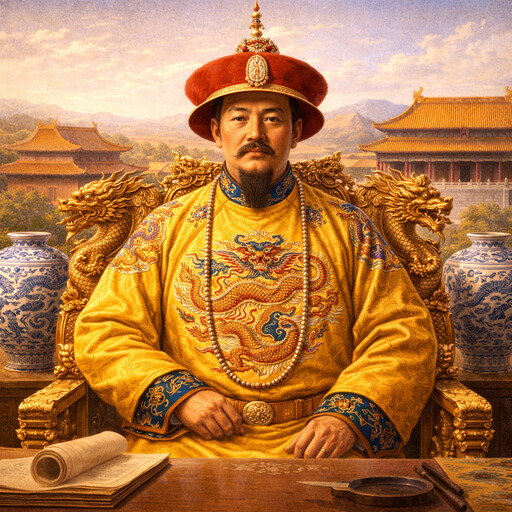
Ming dynasty
Chinese dynasty from 1368 to 1644
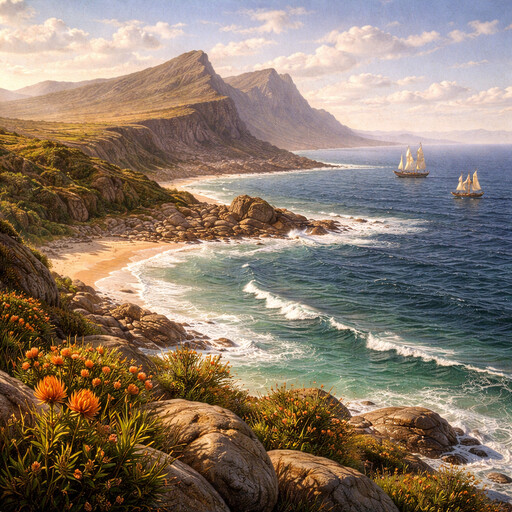
Cape of Good Hope
Southern headland of Africa
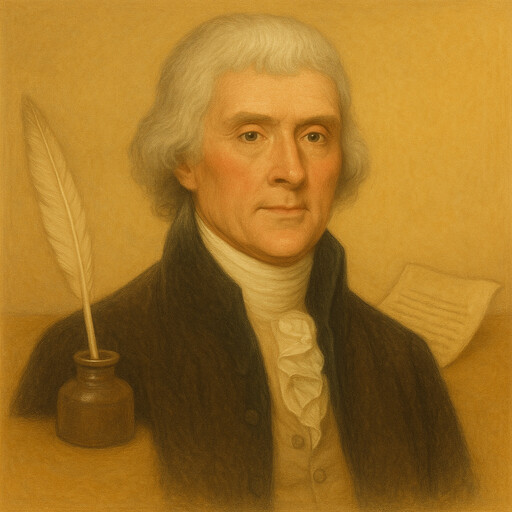
Thomas Jefferson
Author and third U.S. president
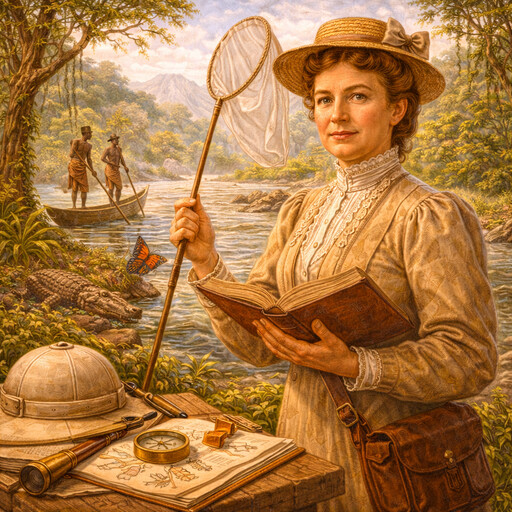
Mary Kingsley
British traveler and writer in West Africa
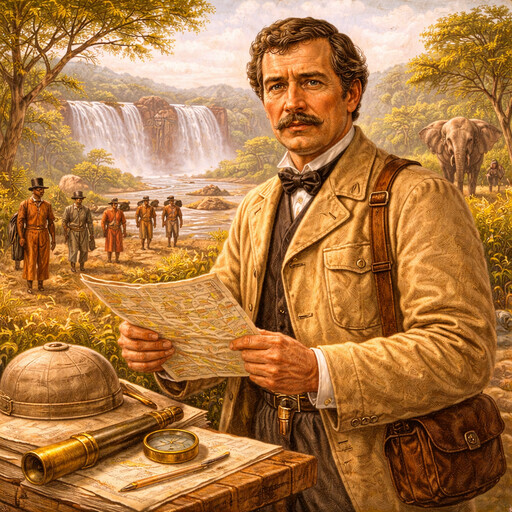
David Livingstone
Scottish explorer of Africa
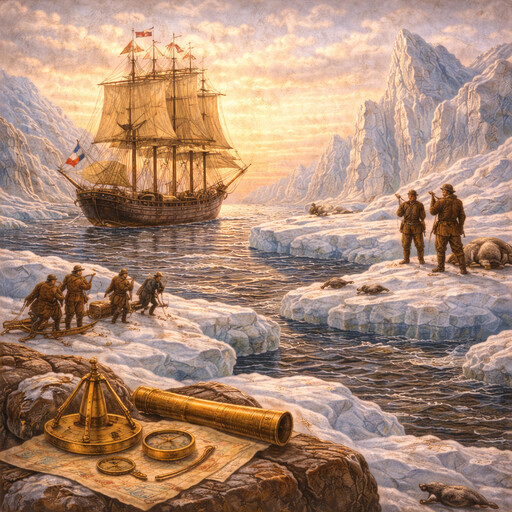
Northwest Passage
A sea route through Arctic waters
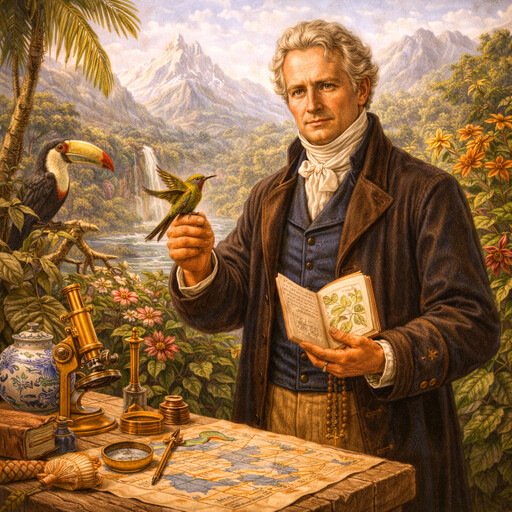
Alexander von Humboldt
Explorer of nature and the natural world
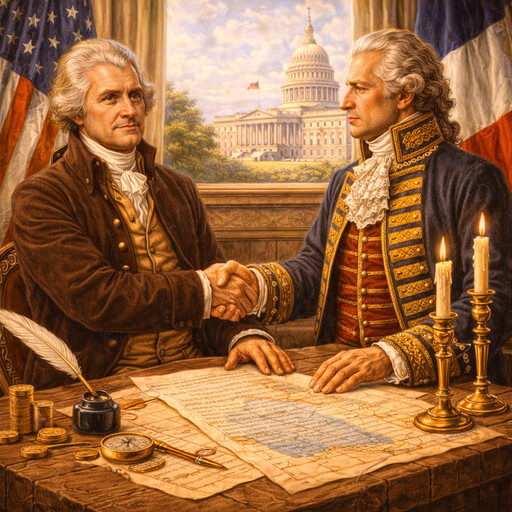
Louisiana Purchase
A land deal that doubled the United States

Lewis and Clark Expedition
Exploring the land west of the Mississippi
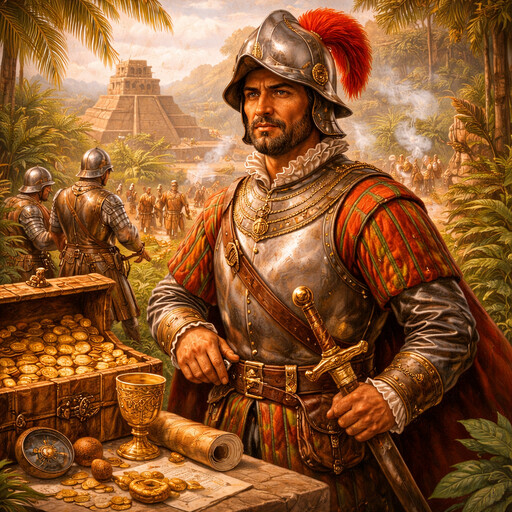
Conquistador
Spanish explorers and soldiers of empire