Tanzania covers a broad slice of East africa that includes Mount Kilimanjaro's icy summit, the Serengeti's wildlife plains, Lake Victoria's fishing villages, and the coral islands of Zanzibar and Pemba. Dar es Salaam remains the largest city and commercial hub, while Dodoma houses parliament in the central highlands. Ferries, highways, and new standard gauge rail lines connect inland farms to Indian ocean ports.
Northern Tanzania hosts famous conservation areas: Serengeti National Park supports the annual wildebeest migration, Ngorongoro Crater shelters lions and rhinos, and Arusha sits beneath volcanic peaks. The Great Rift Valley continues south through soda lakes and geothermal springs, creating fertile lands for maize, bananas, and coffee. Offshore, the Zanzibar Archipelago mixes mangrove-fringed lagoons with Stone Town's carved doors and spice markets.
Coastal Swahili towns linked Africa, Arabia, india, and Persia through dhow caravans, trading ivory, gold, and cloves for centuries. German colonial rule merged inland kingdoms into German East Africa, then British administration took over after World War I. Tanganyika achieved independence in 1961, Zanzibar followed in 1963, and both united in 1964 to form the United Republic of Tanzania under President Julius Nyerere's vision of ujamaa community development.
Agriculture still employs most citizens, producing maize, rice, cashews, sisal, and livestock. Natural gas discoveries near the southern coast supply power plants, while tourism, gold mining, and tanzanite gemstones bring foreign exchange. The government invests in rural electrification, new ports at Bagamoyo and Mtwara, and science education so young entrepreneurs can add value to raw exports.
Swahili is the national language that links more than 120 ethnic groups, including Chagga, Sukuma, Haya, Makonde, and Maasai communities. music ranges from traditional ngoma drums to modern Bongo Flava, and festivals like Sauti za Busara celebrate island arts. Students learn to protect coral reefs, mangroves, and national parks so that safari guides, rangers, and artisans can keep earning livelihoods from Tanzania's natural treasures.
Tanzania
Level
readlittle.com
From Kilimanjaro peaks to Swahili shores
What We Can Learn
- Tanzania's geography spans Kilimanjaro, Rift Valley lakes, Serengeti plains, and Swahili islands
- Tanganyika and Zanzibar united in 1964 after colonial rule to form the current republic
- Farming, tourism, mining, and natural gas projects power the economy
- Swahili language, music, and conservation efforts unite diverse communities
Related Reads

Johann Gottfried Herder
German thinker of culture and language
No image
Monarchy
Government ruled by a royal family
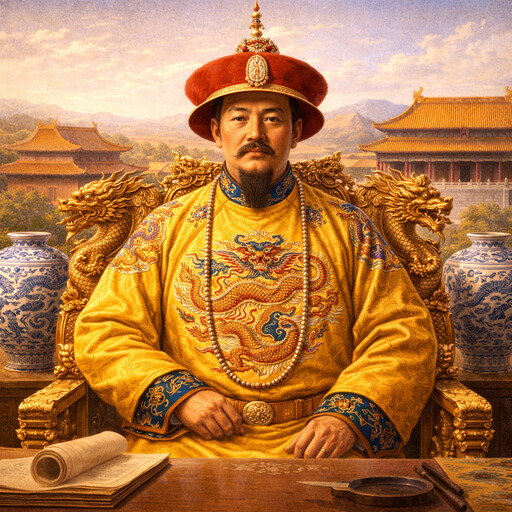
Ming dynasty
Chinese dynasty from 1368 to 1644
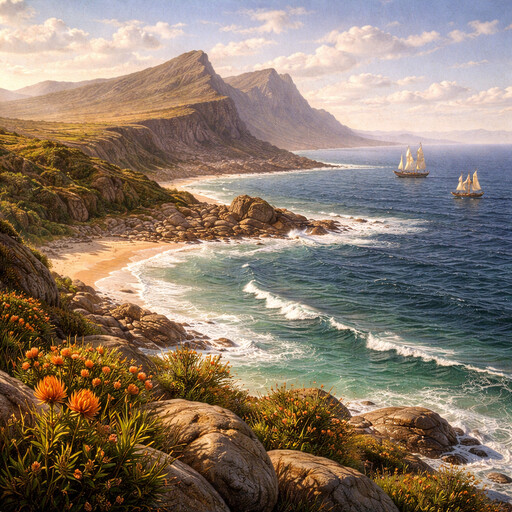
Cape of Good Hope
Southern headland of Africa
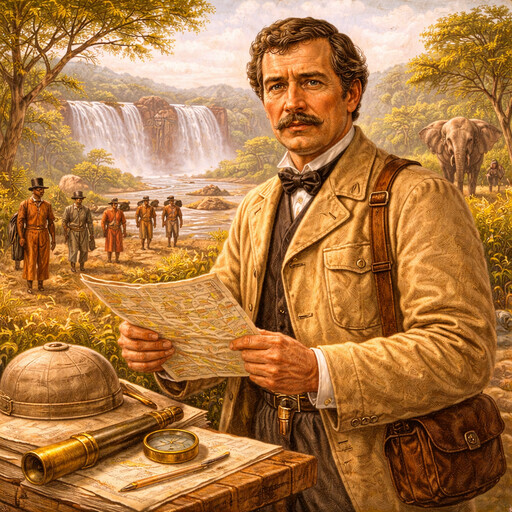
David Livingstone
Scottish explorer of Africa
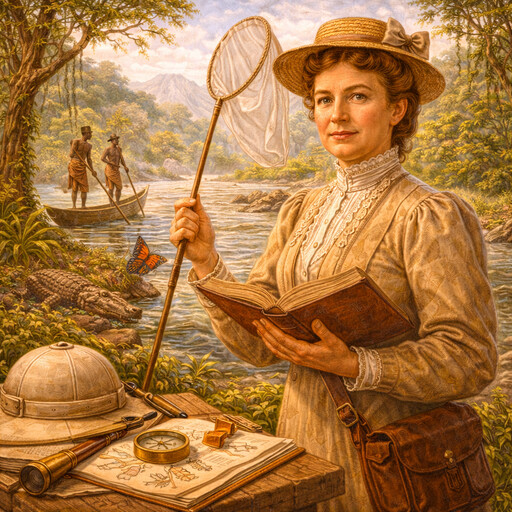
Mary Kingsley
British traveler and writer in West Africa
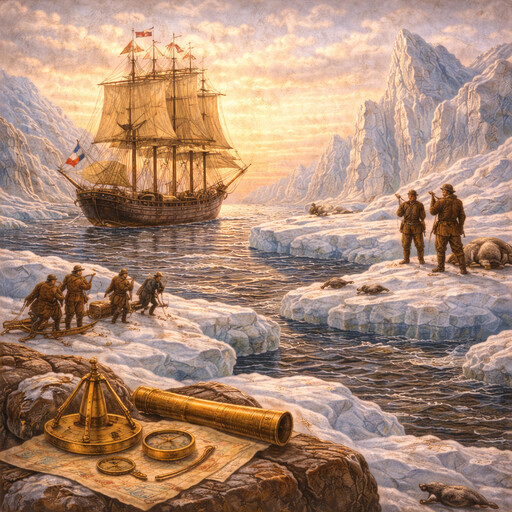
Northwest Passage
A sea route through Arctic waters

Lewis and Clark Expedition
Exploring the land west of the Mississippi
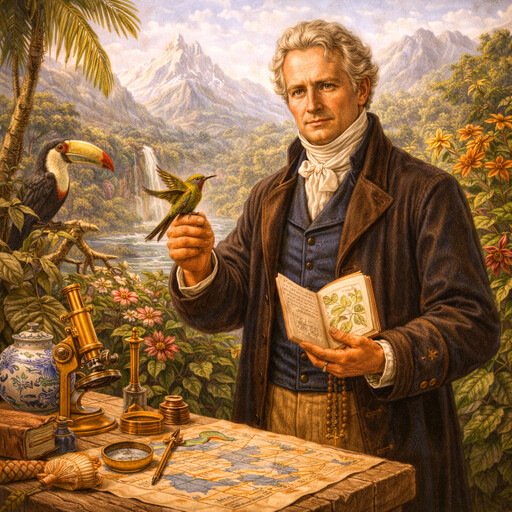
Alexander von Humboldt
Explorer of nature and the natural world

Louisiana Purchase
A land deal that doubled the United States
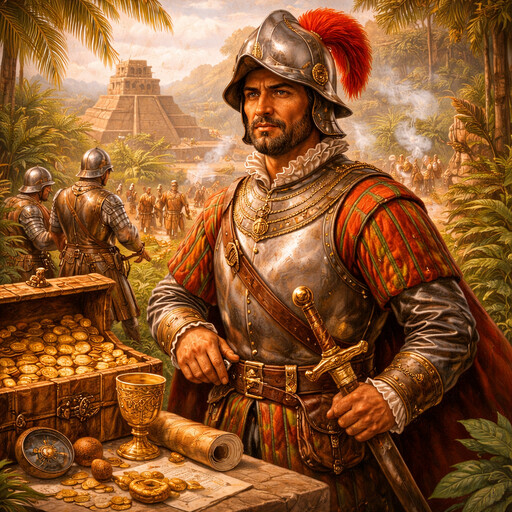
Conquistador
Spanish explorers and soldiers of empire
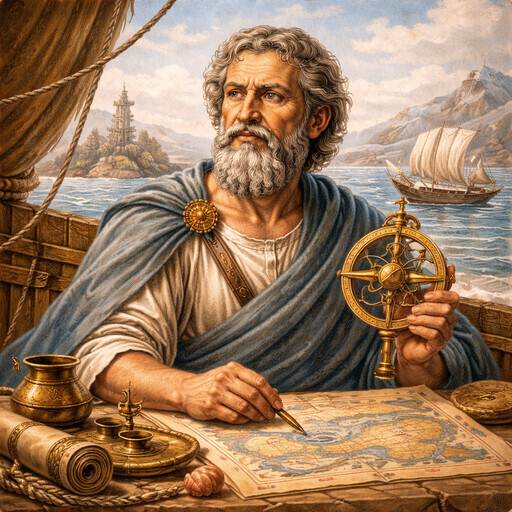
Pytheas
Greek explorer of the far north