Bulgaria occupies the eastern Balkans, bordered by Romania, Serbia, North Macedonia, Greece, Turkey, and the Black Sea. The Balkan Mountains cut across the center, the Rhodope Mountains rise in the south with green plateaus and caves, and the Rila range includes Musala, the highest peak on the peninsula. The Danube River forms the northern border, while the Thracian Plain hosts sunflower fields, vineyards, and rose valleys that bloom for aromatic oils. Coastal towns like Varna and Burgas face the Black Sea with sandy beaches, wetlands, and ports.
Modern Bulgaria is a parliamentary republic with a president as head of state and a prime minister leading the Council of Ministers accountable to the National Assembly. Provinces and municipalities oversee schools, hospitals, and cultural centers, while an ombudsman and constitutional court safeguard civil rights. Bulgaria participates in the European Union, NATO, and regional Black Sea initiatives, strengthening transport corridors, digital security, and environmental monitoring.
History ranges from Neolithic settlements and Thracian tombs to Roman roads, Byzantine fortresses, and medieval Bulgarian Empires that used Cyrillic writing and Orthodox traditions. Ottoman rule lasted five centuries until the 19th-century National Revival inspired uprisings and liberation with international support in 1878. Bulgaria navigated wars and shifting borders in the 20th century, joined the Eastern Bloc, and transitioned to democracy and a market economy after 1989, culminating in EU membership in 2007.
Bulgaria's economy blends agriculture, wine, and rose oil with electronics, automotive components, and IT outsourcing. Sofia hosts fintech start-ups and research labs working on robotics, satellite navigation, and cybersecurity, while Plovdiv's industrial zones assemble medical devices and machinery. Renewable energy includes hydropower on the Iskar and Maritsa Rivers, wind turbines in Dobruja, and solar parks near Stara Zagora. Farmers cultivate lavender, tobacco, and grains, and winter resorts in Bansko and Borovets attract skiers from across Europe.
Culture highlights UNESCO-listed sites such as the Rila Monastery, Thracian tomb at Kazanlak, and ancient theater in Plovdiv. Folklore blends dances like horo, bagpipe melodies, and colorful embroidery worn at Kukeri festivals that chase away winter spirits. Cuisine features banitsa pastry, shopska salad, yogurt-based tarator soup, and grilled kebapche pairs with rose jams and honey. Bulgaria contributes troops to peacekeeping missions, scientists to the Antarctic research base on Livingston Island, and experts to regional projects on Danube transport, refugee support, and climate adaptation.
Bulgaria
Level
readlittle.com
Balkan republic of roses, ruins, and ridges
What We Can Learn
- Bulgaria spans Balkan, Rhodope, and Rila Mountains with plains and Black Sea coast.
- Parliamentary institutions divide authority between president, prime minister, and municipal councils.
- Thracian roots, medieval empires, Ottoman rule, and democratic transition shape identity.
- Agriculture, rose oil, wine, electronics, and IT outsourcing fuel the modern economy.
Related Reads
No image
Monarchy
Government ruled by a royal family

Johann Gottfried Herder
German thinker of culture and language
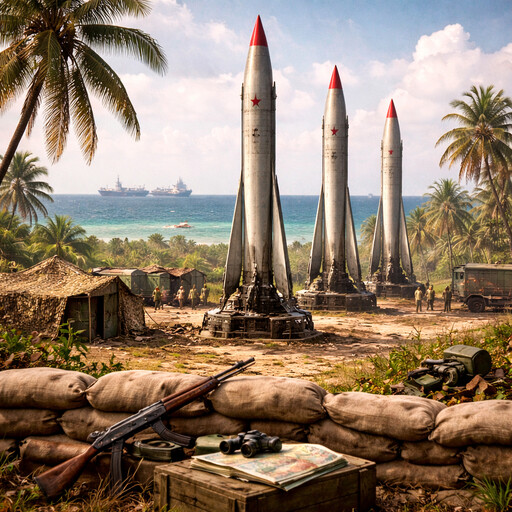
Cuban Missile Crisis
Cold War nuclear standoff in 1962
Henry Kissinger
American diplomat and foreign policy leader
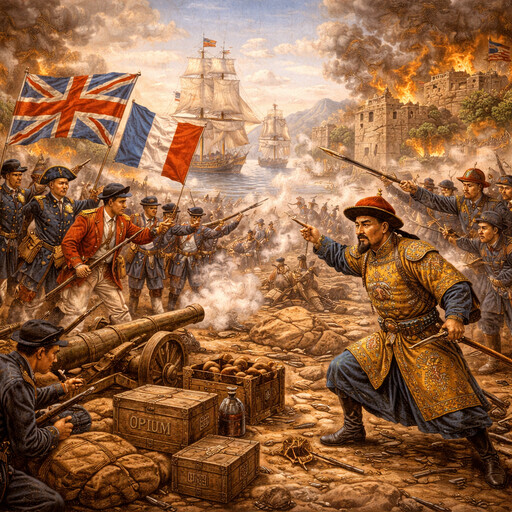
Second Opium War
Renewed conflict between China and Western powers
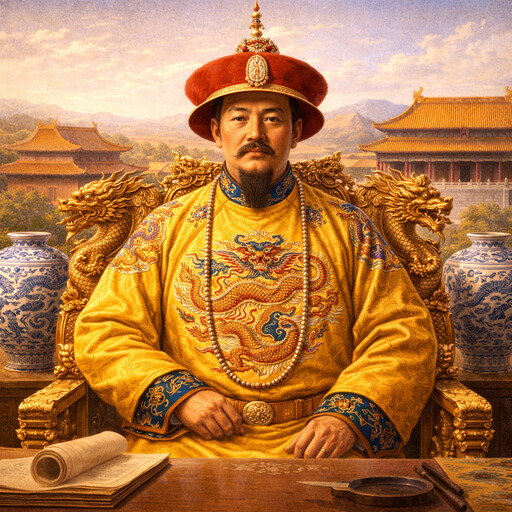
Ming dynasty
Chinese dynasty from 1368 to 1644
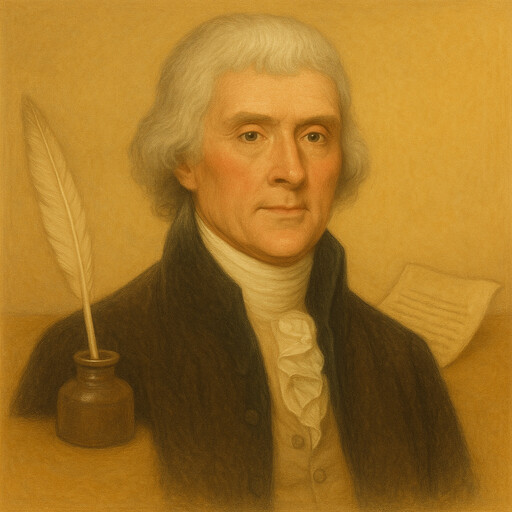
Thomas Jefferson
Author and third U.S. president
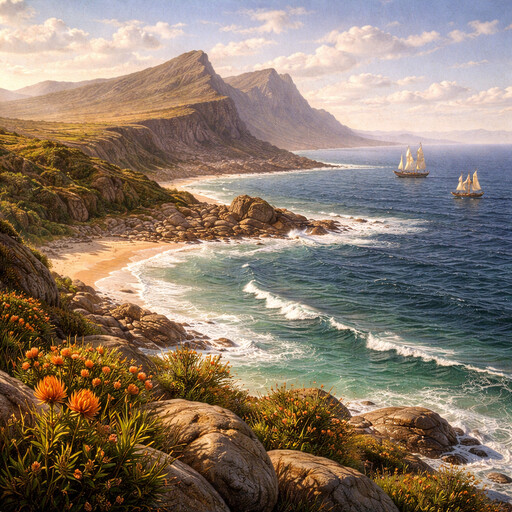
Cape of Good Hope
Southern headland of Africa
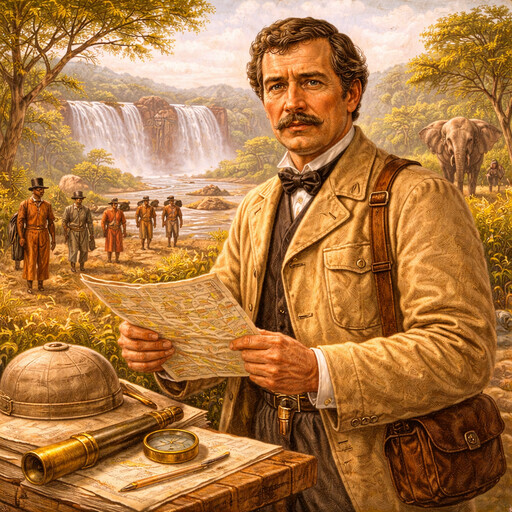
David Livingstone
Scottish explorer of Africa
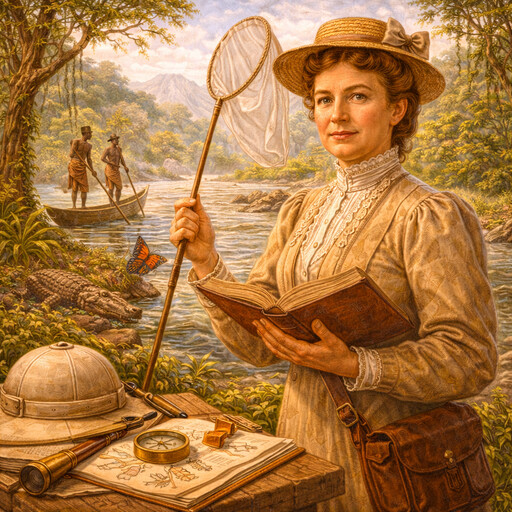
Mary Kingsley
British traveler and writer in West Africa
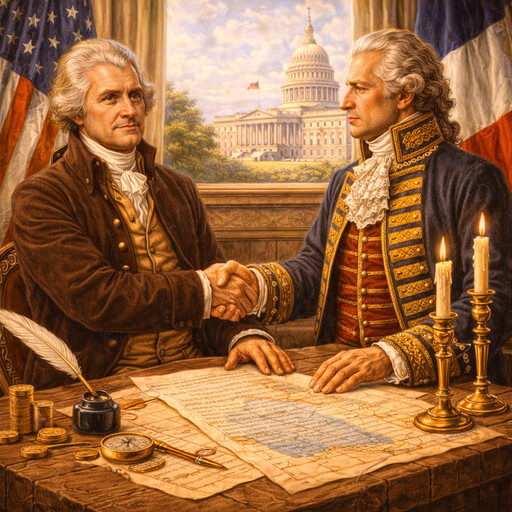
Louisiana Purchase
A land deal that doubled the United States

Lewis and Clark Expedition
Exploring the land west of the Mississippi