Turkmenistan is one of the most sparsely populated countries in Asia. The Karakum Desert covers about 70 percent of the land, with rolling dunes, salt pans, and the flaming Darvaza gas crater. The Kopet Dag Mountains along the Iranian border provide a cooler climate, while the Caspian Sea coastline hosts fishing villages and the modern city of Türkmenbaşy. Summers are scorching, winters can be cold, and irrigation canals such as the Karakum Canal deliver water to oases around Ashgabat and Mary.
Turkmenistan is a presidential republic with a single dominant party. The Halk Maslahaty (People's Council) and Mejlis (parliament) enact laws, but the president oversees most major decisions. Ashgabat, the capital, is famous for white marble buildings, giant monuments, and grand boulevards lit by LED sculptures. Provinces called welayats and districts called etraps manage farms, schools, and gas fields.
Historically, the region lay along the Silk Road, welcoming caravans traveling between Persia and China. Turkmen tribes adopted nomadic herding lifestyles and became known for trading horses and handwoven carpets. The territory became part of the Russian Empire in the 1800s, later joined the Soviet Union, and declared independence in 1991. Today Turkmenistan is neutral in foreign policy and a member of the United Nations, exporting energy to Iran, China, and South Asia.
Natural gas reserves underpin the economy, supplying pipelines to China and Iran and fueling petrochemical plants. The Awaza tourist zone on the Caspian coast hosts conference centers and resorts, and construction projects build new airports and highways. Farmers grow cotton, wheat, and melons, while shepherds raise Karakul sheep prized for their wool. Digital services, solar projects, and desalination plants show how the country diversifies infrastructure in a harsh climate.
Culture centers on Turkmen language, Islamic holidays such as Oraza Bayram, and national symbols like the Akhal-Teke horse. Carpet weaving remains a treasured art, with each tribe using distinct red-and-gold motifs. Meals feature plov, shish kebabs, goat cheese, and green tea served in porcelain bowls. Musicians play the dutar lute and perform throat-sung melodies, and the annual Independence Day parade showcases dancers, horses, and elaborate costumes against a backdrop of modern fountains.
Turkmenistan
Level
readlittle.com
Desert nation of gas and carpets
What We Can Learn
- Turkmenistan stretches across the Karakum Desert and Caspian coast with hot, dry weather.
- A presidential republic centered in Ashgabat manages welayats, gas fields, and canals.
- History includes Silk Road trade, nomadic tribes, Soviet rule, and 1991 independence.
- Natural gas, cotton farms, construction, and carpet weaving drive the economy.
Related Reads

Johann Gottfried Herder
German thinker of culture and language
No image
Monarchy
Government ruled by a royal family
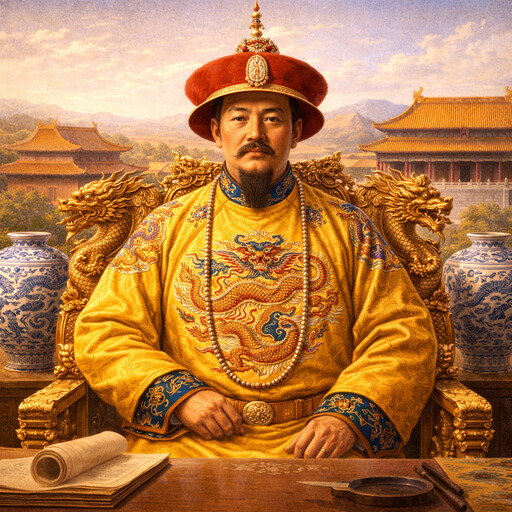
Ming dynasty
Chinese dynasty from 1368 to 1644
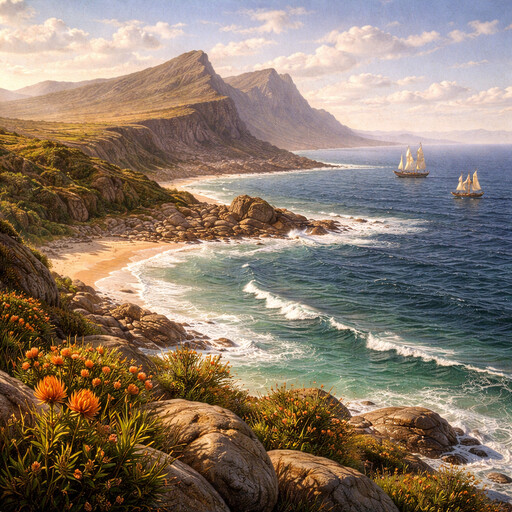
Cape of Good Hope
Southern headland of Africa
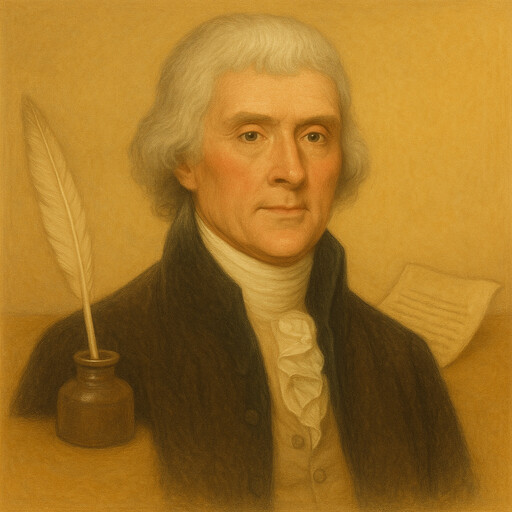
Thomas Jefferson
Author and third U.S. president
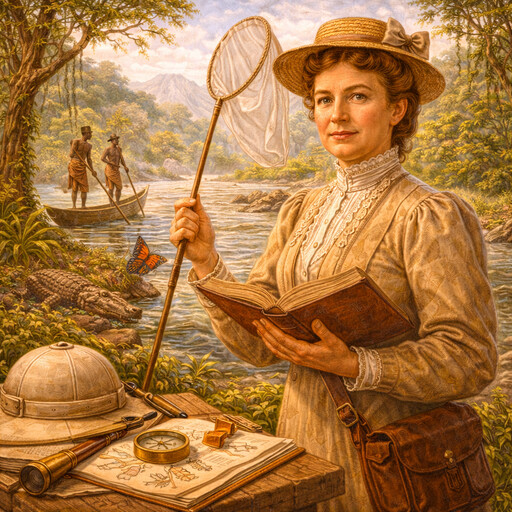
Mary Kingsley
British traveler and writer in West Africa
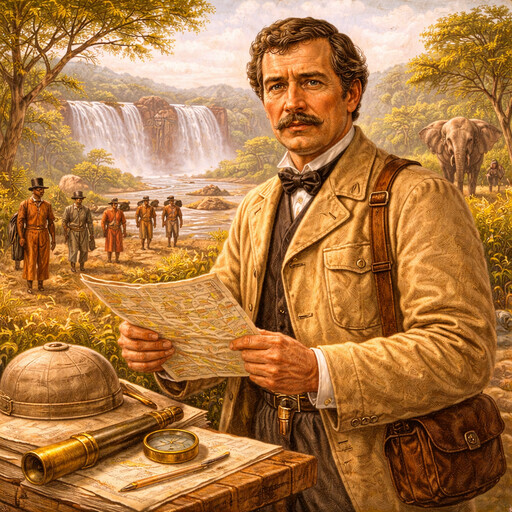
David Livingstone
Scottish explorer of Africa
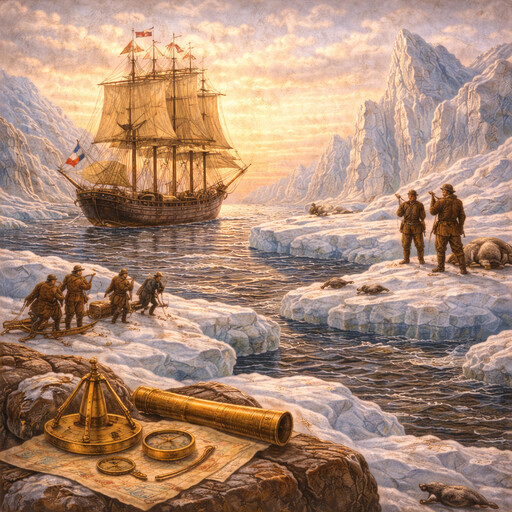
Northwest Passage
A sea route through Arctic waters
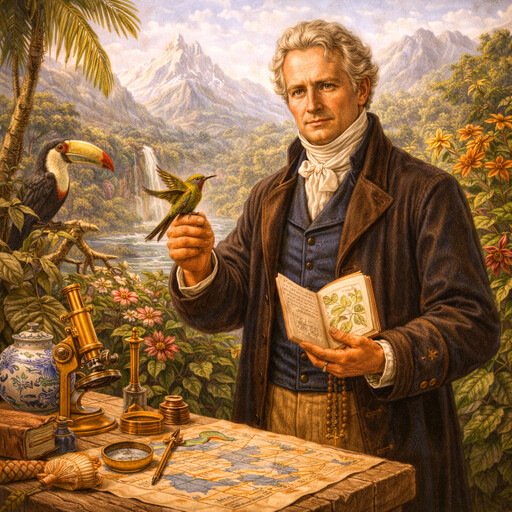
Alexander von Humboldt
Explorer of nature and the natural world
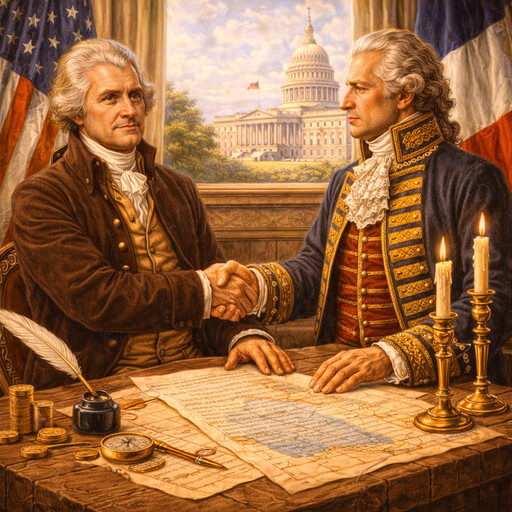
Louisiana Purchase
A land deal that doubled the United States

Lewis and Clark Expedition
Exploring the land west of the Mississippi
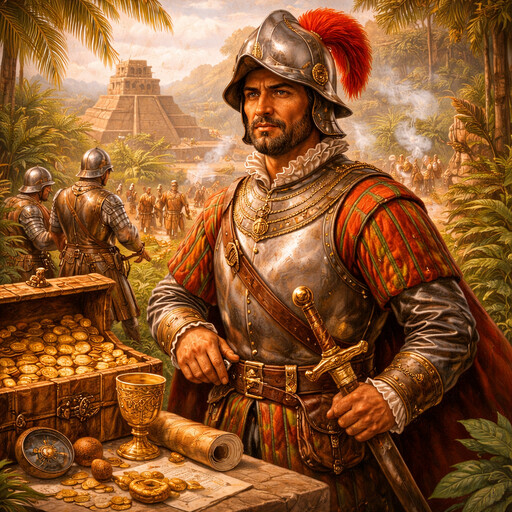
Conquistador
Spanish explorers and soldiers of empire