Otto von Bismarck was a German statesman who helped unite many German states into one country called Germany. He was born on 1 April 1815 in Schönhausen, a town in the Kingdom of Prussia. Prussia was a strong German-speaking state in central Europe. Bismarck served as a diplomat and politician and later became the first Chancellor of Germany. A chancellor is the head of government who manages state affairs under a monarch.
Bismarck grew up in a noble family and received a formal education. He studied law at university and later worked in government service. In 1847, he entered Prussian politics. He was known for his strong support of the Prussian king and the monarchy. In 1862, King William I of Prussia appointed Bismarck as Minister President of Prussia, which meant he led the Prussian government. At that time, Prussia faced conflicts between the king and the parliament over military funding.
Bismarck believed that Prussia should become the leading power among the German states. He followed a policy later called Realpolitik. This term means making decisions based on practical needs rather than ideals. He famously said that major political questions would be decided by "blood and iron," meaning war and military strength. Bismarck used careful planning, diplomacy, and limited wars to increase Prussia’s power.
Between 1864 and 1871, Prussia fought three important wars under Bismarck’s leadership. The first was the war against Denmark in 1864 over the regions of Schleswig and Holstein. The second was the Austro-Prussian War in 1866, which reduced Austria’s influence over German affairs. After this war, Prussia formed the North German Confederation, a union of northern German states led by Prussia.
The final step toward German unification came with the Franco-Prussian War of 1870–1871. This war was fought between Prussia and France. Prussia and its German allies defeated France. During the war, the southern German states joined Prussia. In January 1871, the German Empire was declared at the Palace of Versailles in France. William I became German Emperor, and Bismarck became the first Chancellor of the new empire.
After unification, Bismarck focused on keeping Germany stable. He created alliances with other European powers to prevent war. He also introduced laws to deal with social issues, including early forms of social insurance for workers. In 1890, disagreements with Emperor William II led to Bismarck’s resignation. He retired from public life and died on 30 July 1898 in Friedrichsruh, Germany.
Otto von Bismarck
Level
readlittle.com
German statesman who unified Germany
What We Can Learn
- Otto von Bismarck was a leading Prussian and German statesman
- He became Minister President of Prussia in 1862
- He led the process that unified Germany in 1871
- He served as the first Chancellor of Germany
Related Reads
No image
Vienna
Capital city on the Danube River

Molotov–Ribbentrop Pact
Non-aggression agreement before World War II

Polish–Soviet War
War over borders after World War I
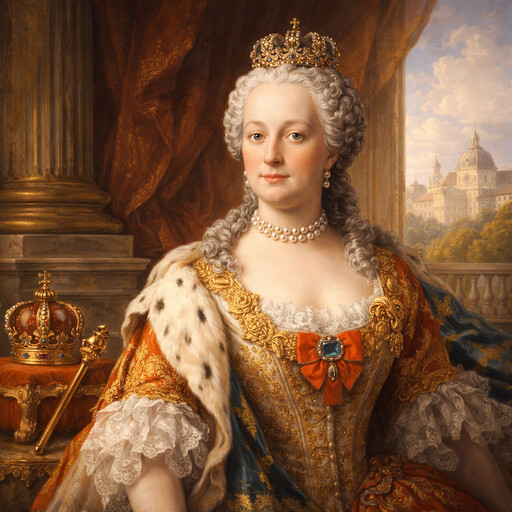
Maria Theresa
Powerful ruler of the Habsburg lands

Revolutions of 1848
Uprisings across Europe in 1848

Vilnius
Historic capital city of Lithuania

Munich Agreement
1938 agreement over Czechoslovak territory
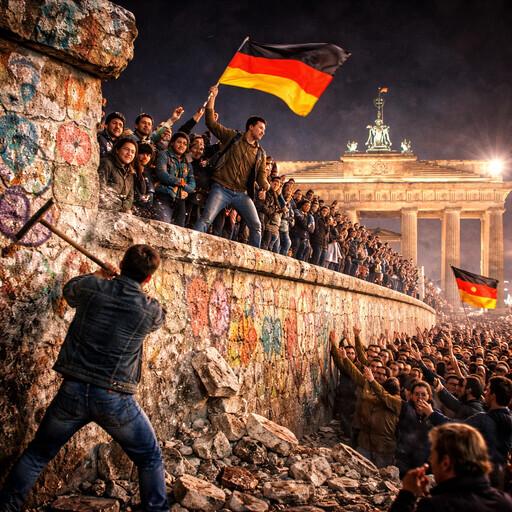
Fall of the Berlin Wall
End of Germany’s divided barrier
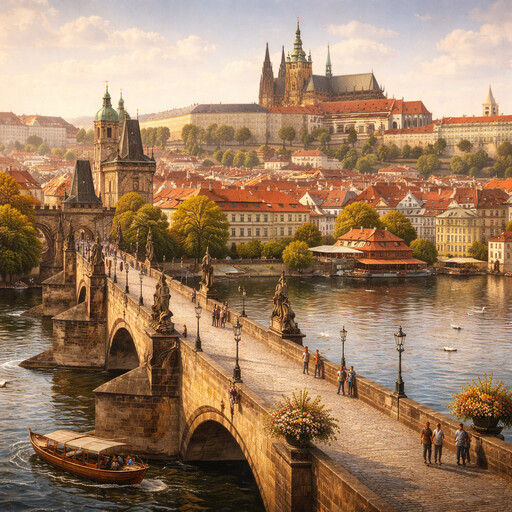
Prague
Historic capital city of the Czech Republic
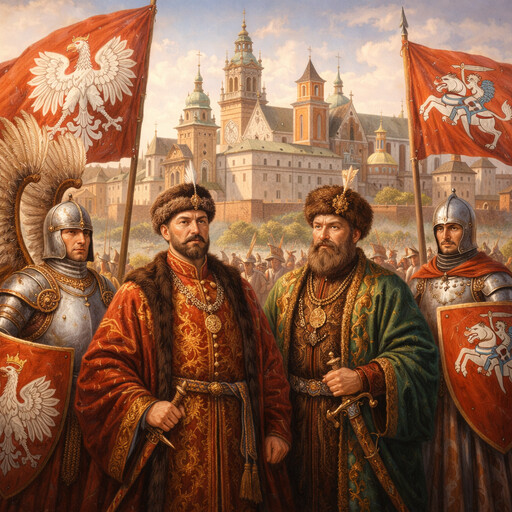
Polish–Lithuanian Commonwealth
A large early modern European state
Peace of Westphalia
Treaties ending major European wars
Johannes Gutenberg
Inventor of movable-type printing in Europe