Estonia is the northernmost Baltic state bordered by Latvia, Russia, and the Baltic Sea, with more than 2,200 islands anchored by Saaremaa and Hiiumaa. The mainland features pine forests, peat bogs, and glacial lakes interlaced with the Emajõgi and Pärnu Rivers, while the Gulf of Finland connects Tallinn to Helsinki via busy ferries. Landscapes remain largely flat, with highest point Suur Munamägi rising only 318 meters, yet dunes, boulder fields, and alvars host rare orchids, seals, and migratory birds. Winters bring snow and auroras, summers stretch daylight, and protected areas cover nearly one-fifth of the country.
Estonia is a parliamentary republic with a president elected by the Riigikogu (parliament) and a prime minister leading the cabinet. Municipal councils manage education, transport, libraries, and broadband infrastructure, and residents use secure digital identities for voting, medical records, and business filings. Estonia is a member of the European Union, NATO, eurozone, and Schengen Area, hosts NATO’s Cooperative Cyber Defence Centre of Excellence, and contributes to EU digital policy, climate action, and Nordic-Baltic cooperation.
History includes Finno-Ugric tribes, medieval Hanseatic ports, and Danish, Swedish, and Russian rule that shaped architecture and law. Estonia declared independence in 1918, lost sovereignty during Soviet and Nazi occupations, and restored independence in 1991 after the Singing Revolution and Baltic Way demonstrations. Since then, Estonia has built a digital-first society, launched satellites like ESTCube-1, and cultivated start-ups such as Skype, Wise, and Bolt.
Estonia's economy blends forestry, agriculture, and fisheries with electronics, engineering, and a robust ICT sector that exports software, fintech platforms, and cybersecurity services. Tallinn's Ülemiste City hosts innovation campuses, Tartu focuses on biotech and deep-tech, and Narva modernizes manufacturing near the Russian border. Renewable energy includes wind farms in Lääne County, biomass heating networks, and planned offshore wind parks in the Gulf of Riga; synchronized grids and hydrogen pilots support decarbonization. Logistics corridors via Tallinn's ports and Rail Baltica integration strengthen links with the Nordic and Central European markets.
Cultural life celebrates UNESCO-listed song festivals, wooden farmsteads, and folk costumes decorated with geometric embroidery. Cuisine features rye bread, kama roasted grain blend, mushroom stews, and marinated Baltic herring served at midsummer bonfires. The Estonian language preserves runic chants known as regilaul, while writers like Jaan Kross and composers such as Arvo Pärt shape global arts. Estonia contributes cyber experts to NATO missions, mediates digital governance workshops worldwide, and supports Ukraine, e-residency entrepreneurs, and Baltic Sea environmental projects.
Estonia
Level
readlittle.com
Digital Baltics of bogs, song, and satellites
What We Can Learn
- Estonia consists of mainland forests and more than 2,200 Baltic islands linked to Finland via the Gulf of Finland.
- Parliamentary governance leverages digital IDs and secure online services alongside traditional institutions.
- Hanseatic trade, occupations, and the Singing Revolution inform national identity.
- ICT exports, renewables, and cultural festivals power a digitally minded society.
Related Reads
No image
Monarchy
Government ruled by a royal family

Johann Gottfried Herder
German thinker of culture and language
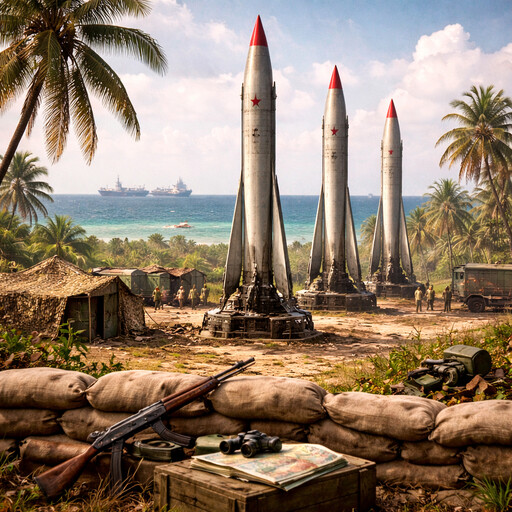
Cuban Missile Crisis
Cold War nuclear standoff in 1962
Henry Kissinger
American diplomat and foreign policy leader
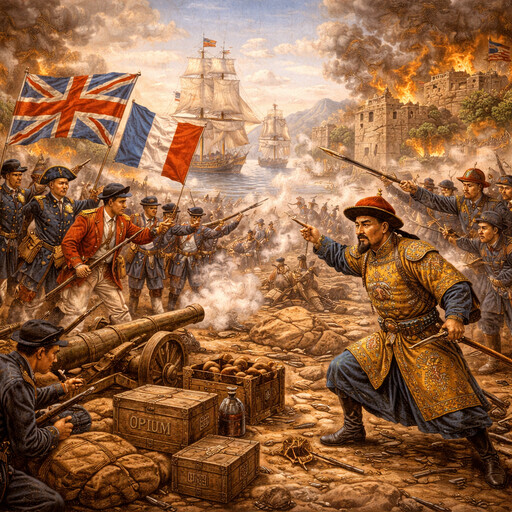
Second Opium War
Renewed conflict between China and Western powers
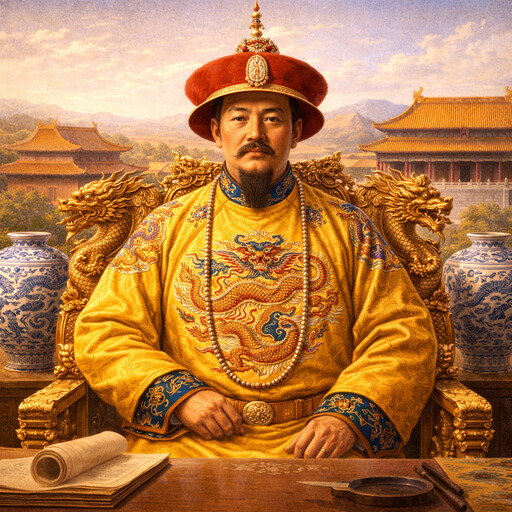
Ming dynasty
Chinese dynasty from 1368 to 1644
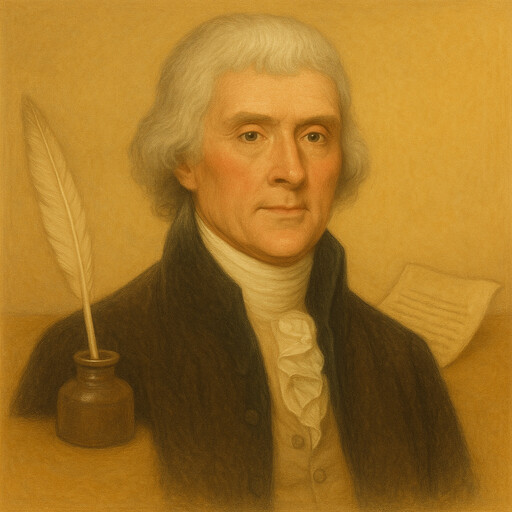
Thomas Jefferson
Author and third U.S. president
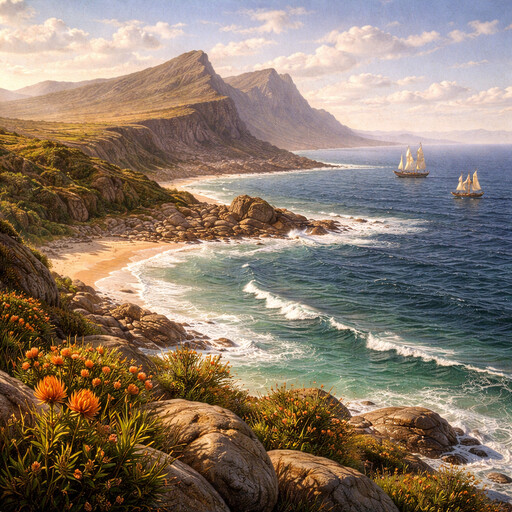
Cape of Good Hope
Southern headland of Africa
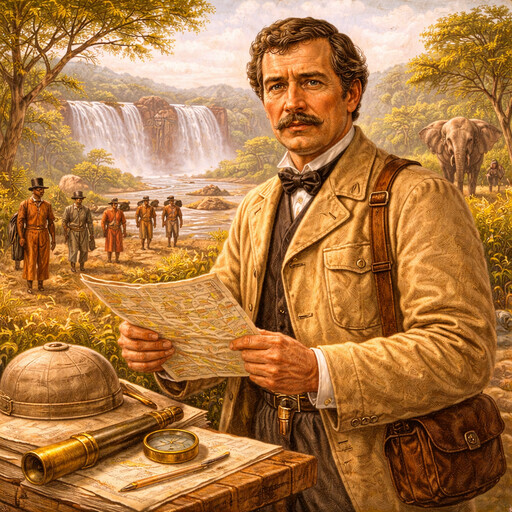
David Livingstone
Scottish explorer of Africa
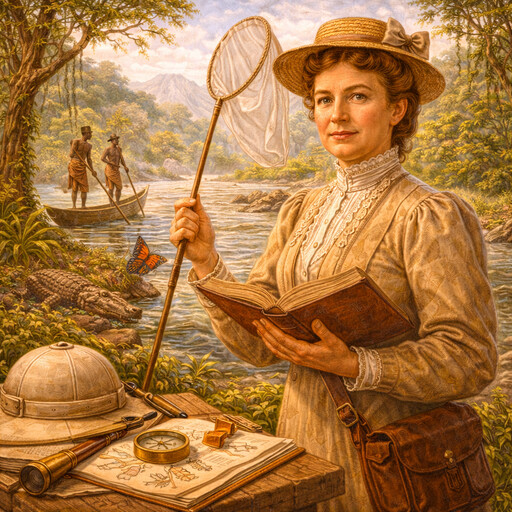
Mary Kingsley
British traveler and writer in West Africa
Louisiana Purchase
A land deal that doubled the United States

Lewis and Clark Expedition
Exploring the land west of the Mississippi