Latvia sits between Estonia, Lithuania, Russia, and Belarus, with more than 500 kilometers of Baltic Sea coastline facing the Gulf of Riga and the open sea. Coastal dunes, pine forests, and wetlands line the shore, while inland regions include the Gauja River valley with sandstone cliffs, Vidzeme highlands, and thousands of lakes formed by glacial retreat. The Daugava River flows from Belarus to the Baltic, powering hydropower dams and linking cities such as Daugavpils and Riga. Summers are mild, winters cold, and migratory birds pass through the Kemeri and Slītere National Parks each spring and autumn.
Latvia is a parliamentary republic with a president elected by the Saeima (parliament) and a prime minister leading the cabinet. Municipalities manage schools, libraries, social services, and cultural centers, while regional planning boards coordinate transport corridors. Latvia is a member of the European Union, NATO, eurozone, and Schengen Area, and cooperates closely with other Baltic states on energy security, rail integration, and digital government.
History reflects Livonian tribes, crusader castles, and membership in the Hanseatic League that connected Riga to Northern European trade. The Polish-Lithuanian Commonwealth and Swedish Empire ruled parts of Latvia before the Russian Empire absorbed the territory in the 18th century. Latvia declared independence in 1918, endured Soviet and Nazi occupations during World War II, and re-established independence in 1991 after the Baltic Way human chain and Singing Revolution rallied citizens peacefully.
Latvia's economy blends timber, agriculture, and fishing with logistics, manufacturing, and rapidly growing IT and space technology sectors. Riga hosts data centers, fintech companies, and the NATO StratCom Centre of Excellence, while Ventspils port handles petroleum products and fertilizers. Aviation firms maintain fleets, and startups develop nanosatellites and drones; rural cooperatives produce organic dairy, rye bread, and berries. Renewable energy includes hydropower on the Daugava, biomass heating plants, and wind projects on the western coast, and Rail Baltica aims to connect Riga with Tallinn, Kaunas, and Warsaw via high-speed rail.
Cultural life celebrates the UNESCO-listed Latvian Song and Dance Celebration, Art Nouveau architecture in Riga, and wooden farmsteads in Latgale. Craft traditions include woven belts, amber jewelry, and black ceramics, while cuisine features rye bread, smoked fish, grey peas with bacon, and birch sap drinks. Latvians excel in hockey, basketball, and BMX cycling, and national heroes include poet Rainis and painter Jānis Rozentāls. Diplomatically, Latvia contributes to NATO missions, supports Ukraine's reconstruction, and advocates for digital freedom and media literacy within the European Union and United Nations.
Latvia
Level
readlittle.com
Baltic meadows of song, science, and seafaring
What We Can Learn
- Latvia combines Baltic coastline, river valleys, and glacial lakes across temperate forests.
- Parliamentary governance pairs president, prime minister, Saeima, and municipal councils.
- Hanseatic trade, foreign empires, and the Singing Revolution influence history.
- Timber, logistics, IT, and cultural festivals sustain a globally connected society.
Related Reads
No image
Monarchy
Government ruled by a royal family

Johann Gottfried Herder
German thinker of culture and language
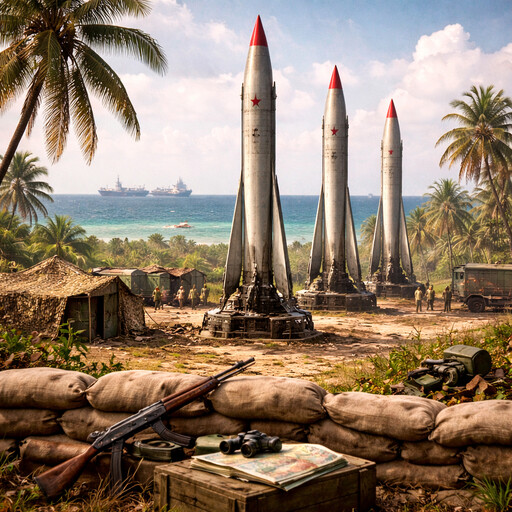
Cuban Missile Crisis
Cold War nuclear standoff in 1962
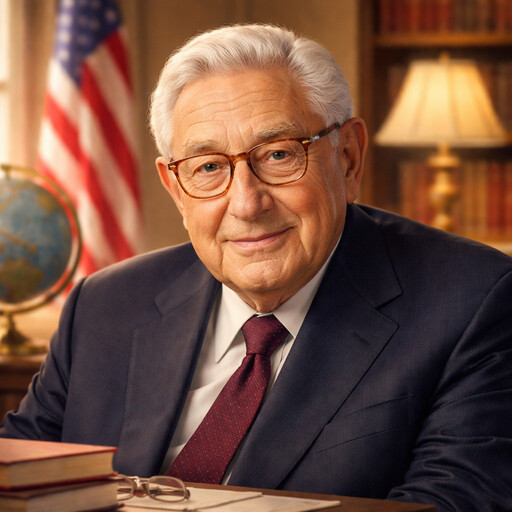
Henry Kissinger
American diplomat and foreign policy leader
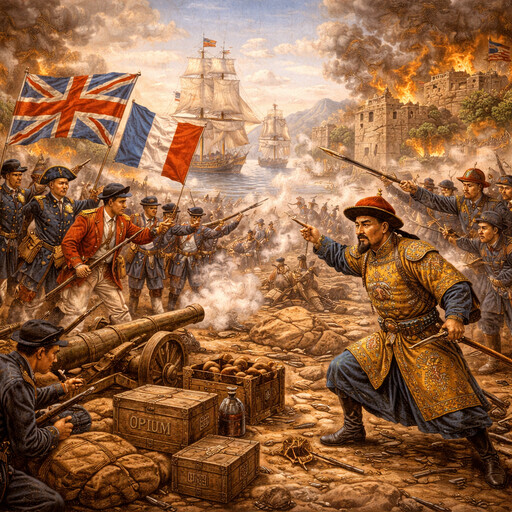
Second Opium War
Renewed conflict between China and Western powers
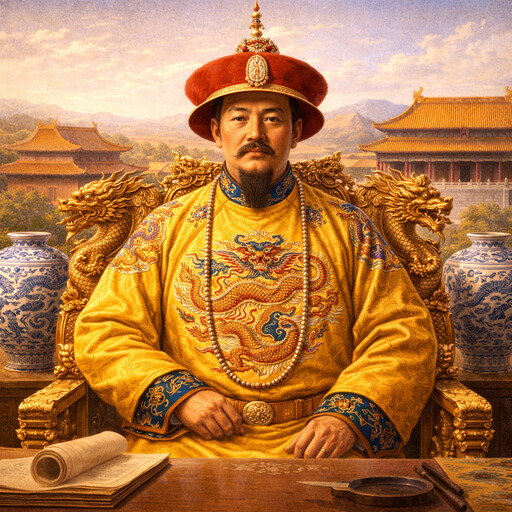
Ming dynasty
Chinese dynasty from 1368 to 1644
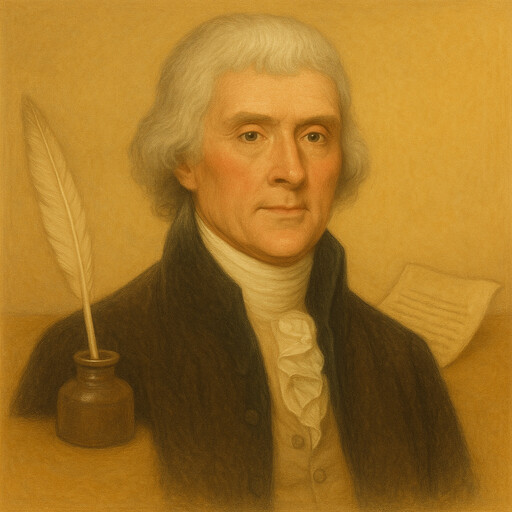
Thomas Jefferson
Author and third U.S. president
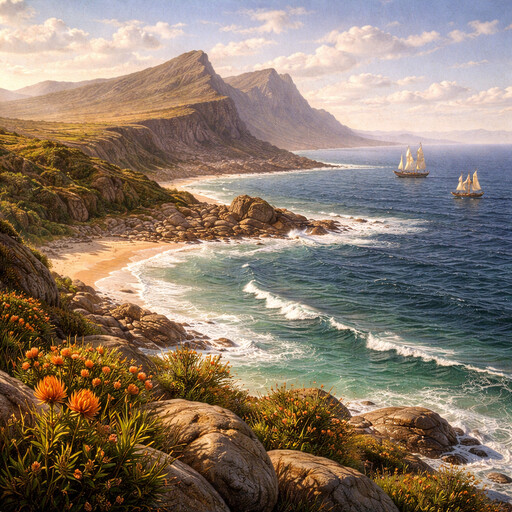
Cape of Good Hope
Southern headland of Africa
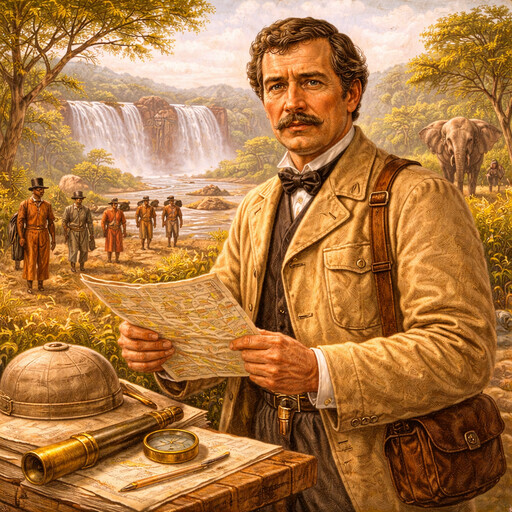
David Livingstone
Scottish explorer of Africa
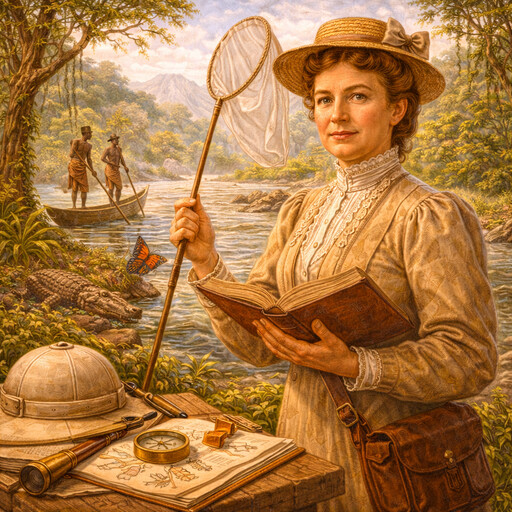
Mary Kingsley
British traveler and writer in West Africa
Louisiana Purchase
A land deal that doubled the United States

Lewis and Clark Expedition
Exploring the land west of the Mississippi