Fascism is a political ideology, which means a system of ideas about how a country should be ruled. It developed mainly in Europe after World War I. Fascism supports a strong central government led by a single leader. It rejects democracy, which is a system where people vote for their leaders. Fascist systems place the nation above individual rights and demand loyalty to the state.
One main feature of fascism is authoritarian rule. Authoritarian means that power is held by one leader or a small group, with very limited political freedom. In fascist states, opposition parties are banned, and the government controls major institutions. The press, which includes newspapers and radio, is often controlled to spread official messages. This use of information to influence people is called propaganda.
Fascism also emphasizes nationalism. Nationalism is strong pride in one’s country, often combined with the belief that the nation is superior to others. Fascist movements often use national symbols, uniforms, and large public rallies. These displays are meant to show unity and strength. The military usually plays an important role in fascist governments.
The first fascist government was established in Italy. Benito Mussolini became Italy’s leader in 1922. Mussolini’s government removed democratic institutions and replaced them with a one-party state. Similar movements later appeared in other countries. In Germany, Adolf Hitler led a related system called National Socialism, often known as Nazism. While Nazism had unique features, it shared many ideas with fascism.
Fascist governments often control the economy closely. Private businesses may exist, but they are directed by the state. Labor unions are usually banned or replaced by state-run organizations. The goal is to reduce conflict between workers and employers by placing both under government authority. Individual freedoms are limited when they conflict with state goals.
Fascism declined after World War II. The defeat of fascist governments in Italy and Germany ended their rule. After the war, many countries created laws to prevent similar systems from returning. Today, fascism is studied mainly as a historical political ideology connected to the events of the early 20th century.
Fascism
Level
readlittle.com
Authoritarian political ideology of the 20th century
What We Can Learn
- Fascism supports strong centralized authority
- It rejects democracy and political opposition
- Nationalism and propaganda are key features
- Fascism declined after World War II
Related Reads
No image
Vienna
Capital city on the Danube River

Vilnius
Historic capital city of Lithuania

Munich Agreement
1938 agreement over Czechoslovak territory

Polish–Soviet War
War over borders after World War I

Molotov–Ribbentrop Pact
Non-aggression agreement before World War II
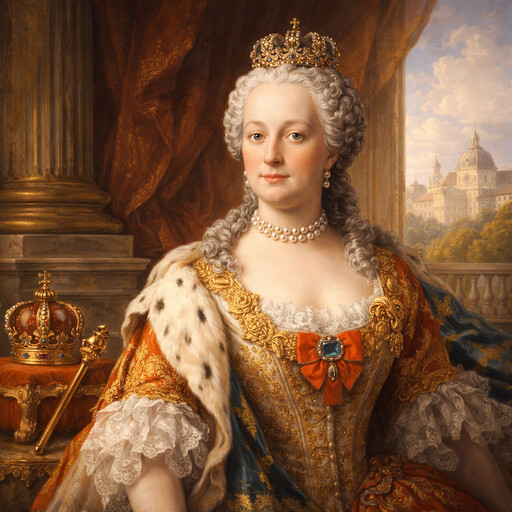
Maria Theresa
Powerful ruler of the Habsburg lands

Revolutions of 1848
Uprisings across Europe in 1848
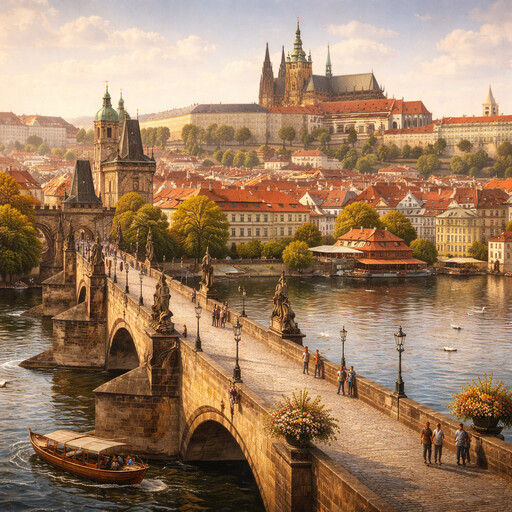
Prague
Historic capital city of the Czech Republic

Fall of the Berlin Wall
End of Germany’s divided barrier
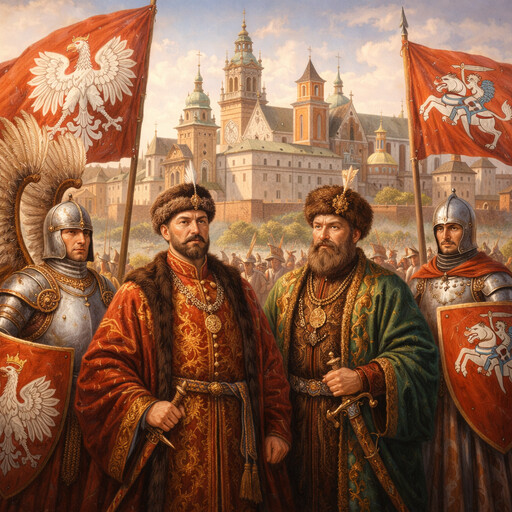
Polish–Lithuanian Commonwealth
A large early modern European state
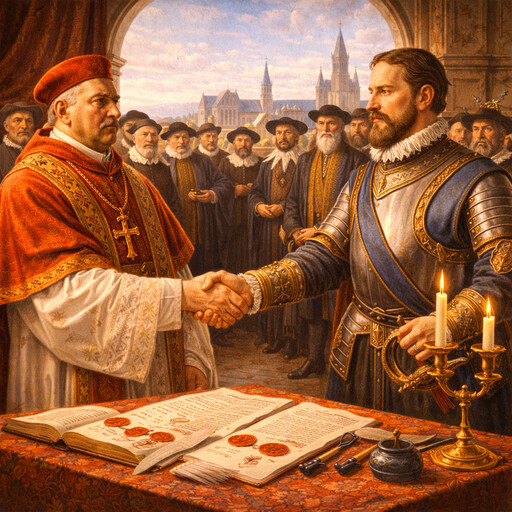
Peace of Westphalia
Treaties ending major European wars

Johannes Gutenberg
Inventor of movable-type printing in Europe