Guam sits in the western Pacific, south of the Mariana Trench and east of the Philippines. The northern half consists of uplifted limestone cliffs and aquifers, while the southern half features volcanic hills and waterfalls in the central mountains. Tumon Bay hosts resorts and beaches, Hagåtña serves as the capital, and Apra Harbor anchors commercial shipping and U.S. Navy operations. The island's location makes it a strategic hub for aviation, telecommunications, and defense.
Chamoru ancestors settled Guam around 3,500 years ago, building latte stone foundations and sailing proa canoes. Spain colonized Guam in 1668 as part of the Manila galleon route, introducing Catholicism and new crops. After the Spanish-American War in 1898, Guam became a U.S. territory. Japan occupied the island during World War II until the 1944 Battle of Guam liberated it. The Organic Act of 1950 granted U.S. citizenship to residents and established a civilian government. Today discussions continue about political self-determination options such as statehood, free association, or independence.
Guam's government includes an elected governor, a unicameral Legislature of Guam with 15 senators, and a locally appointed judiciary. As an unincorporated territory, federal programs operate alongside territorial agencies. Village mayors coordinate community services, cultural events, and typhoon preparedness. Guam elects a delegate to the U.S. House of Representatives who votes in committees but not on final floor passage.
The economy depends on tourism, U.S. military spending, construction, and trans-Pacific logistics. Visitors from Japan, South Korea, and the United States enjoy snorkeling, shopping, and cultural performances. Andersen Air Force Base and Naval Base Guam employ thousands and support disaster response across the region. Farms grow fruits and vegetables on volcanic soils, and aquaculture projects raise giant clams. Renewable-energy initiatives install solar farms on former landfills and promote electric vehicle charging networks.
Chamoru culture emphasizes respect, family, and legends such as Sirena the mermaid. Traditional weaving uses pandanus and coconut fibers to make baskets and hats, and latte stones remain symbols of resilience. Dishes include red rice seasoned with annatto, kelaguen citrus-marinated meats, and latiya custard desserts. The Inalahan village preserves Spanish-era homes, and the annual Guam Micronesia Island Fair features dance troupes from across the region. Students learn Chamoru language phrases in school, join Junior ROTC, robotics teams, and reef-monitoring clubs that plant corals after typhoons.
Guam
Level
readlittle.com
Chamoru homeland and Pacific gateway
What We Can Learn
- Guam combines limestone plateaus, volcanic highlands, and strategic harbors in the western Pacific.
- Chamoru history, Spanish colonization, U.S. control, and World War II shape modern governance.
- A territorial government with an elected legislature operates under the U.S. Organic Act.
- Tourism, military activity, agriculture, and renewable energy sustain the economy while Chamoru culture thrives.
Related Reads

Johann Gottfried Herder
German thinker of culture and language
No image
Monarchy
Government ruled by a royal family
Ming dynasty
Chinese dynasty from 1368 to 1644
Cape of Good Hope
Southern headland of Africa
Thomas Jefferson
Author and third U.S. president
Mary Kingsley
British traveler and writer in West Africa
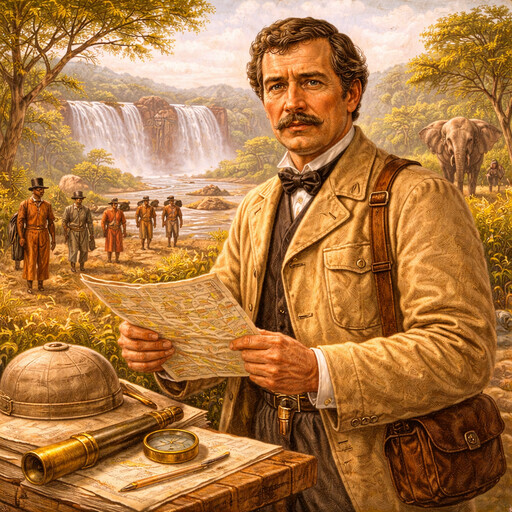
David Livingstone
Scottish explorer of Africa
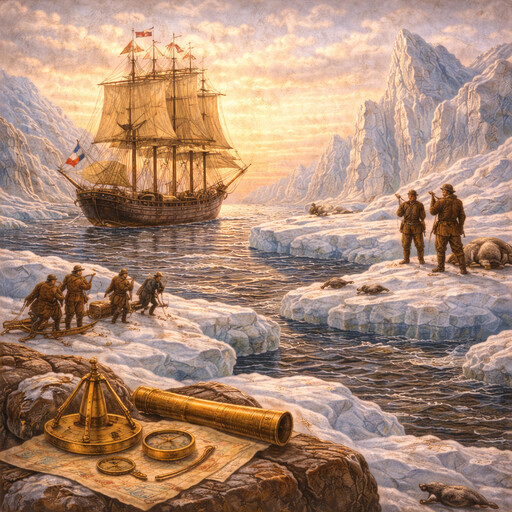
Northwest Passage
A sea route through Arctic waters
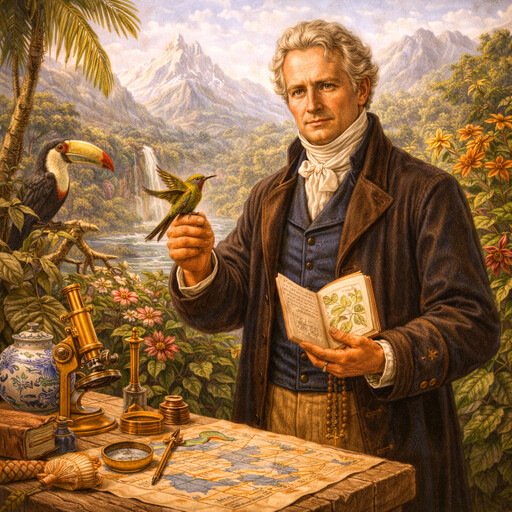
Alexander von Humboldt
Explorer of nature and the natural world

Louisiana Purchase
A land deal that doubled the United States

Lewis and Clark Expedition
Exploring the land west of the Mississippi
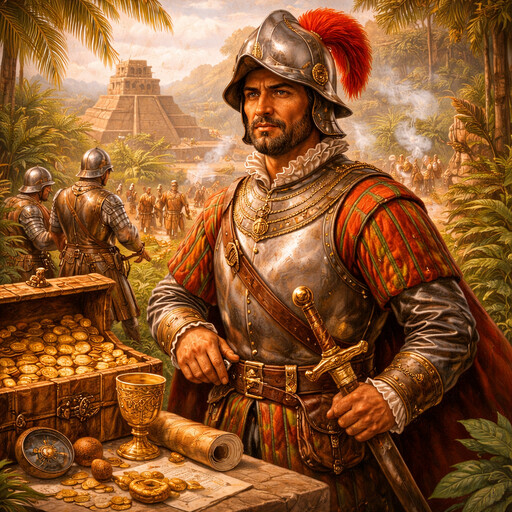
Conquistador
Spanish explorers and soldiers of empire