Louis XVIII was King of France in the early 1800s. He ruled after many years of revolution and war. His reign followed the fall of Napoleon Bonaparte. Louis XVIII tried to bring stability back to France after long political change.
Louis XVIII was born in 1755. His full name was Louis Stanislas Xavier. He was the younger brother of Louis XVI, the king who was executed during the French Revolution. Because of the revolution, Louis XVIII spent many years living outside France. This time away from his country is called exile, which means being forced to live elsewhere.
In 1814, Napoleon was defeated and sent away from power. After this, Louis XVIII became king. His return is known as the Bourbon Restoration. Restoration means bringing back a former ruling family. Louis XVIII returned to Paris and took the throne, but France had changed greatly since the time of earlier kings.
Louis XVIII ruled under a constitutional monarchy. A monarchy is a system where a king or queen rules. A constitution is a set of written rules for government. Under this system, the king shared power with a parliament and followed laws. Louis XVIII accepted a document called the Charter of 1814. This charter gave some rights to citizens and limited royal power.
In 1815, Napoleon returned from exile for a short time. This period is called the Hundred Days. During this time, Louis XVIII fled France again. After Napoleon was defeated at the Battle of Waterloo, Louis XVIII returned to the throne. He ruled France for the rest of his life.
Louis XVIII died in 1824. He had no children, so his brother became king as Charles X. Louis XVIII’s reign marked an effort to balance old royal traditions with new political ideas that had appeared during the revolution.
Louis XVIII
Level
readlittle.com
King of France after Napoleon
What We Can Learn
- Louis XVIII was the brother of Louis XVI.
- He became king after Napoleon’s defeat.
- He ruled under a constitutional monarchy.
- His reign ended in 1824.
Related Reads
No image
Vienna
Capital city on the Danube River

Peter the Great
Russian ruler who reshaped his country

Ivan III
Founder of a unified Russian state

Molotov–Ribbentrop Pact
Non-aggression agreement before World War II

Revolutions of 1848
Uprisings across Europe in 1848

Polish–Soviet War
War over borders after World War I

Munich Agreement
1938 agreement over Czechoslovak territory

Vilnius
Historic capital city of Lithuania
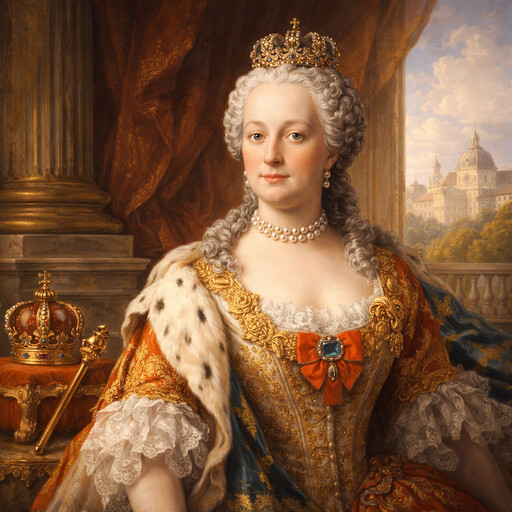
Maria Theresa
Powerful ruler of the Habsburg lands
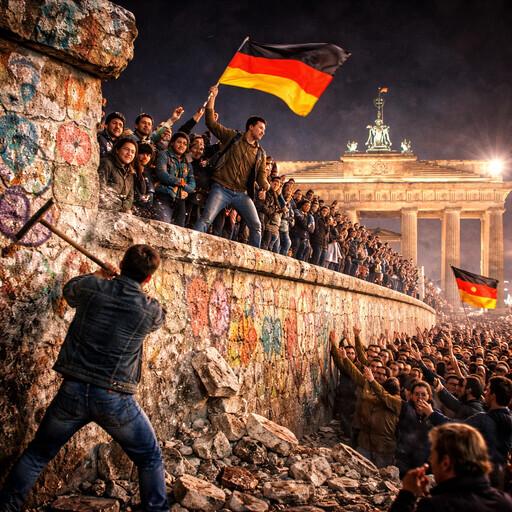
Fall of the Berlin Wall
End of Germany’s divided barrier
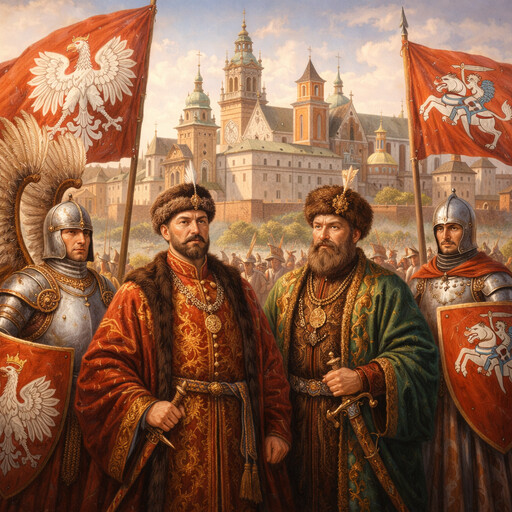
Polish–Lithuanian Commonwealth
A large early modern European state
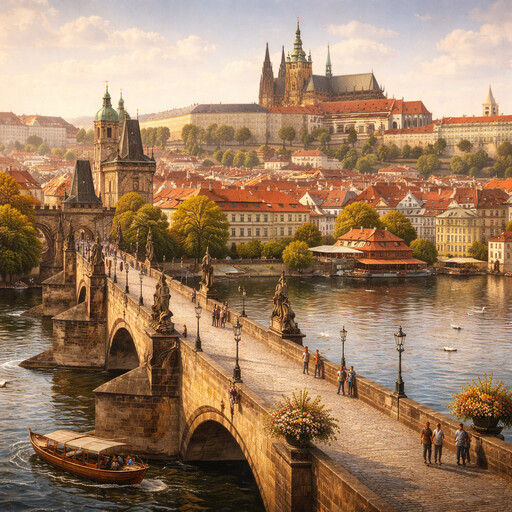
Prague
Historic capital city of the Czech Republic