The Unification of Italy was the process by which many separate states on the Italian peninsula became one country called Italy. Before unification, Italy did not exist as a single nation. The land was divided into kingdoms, duchies, and territories ruled by foreign powers. The main goal of unification was to bring these areas under one government. The process lasted many years and involved political action, wars, and popular movements.
In the early 1800s, the Italian peninsula was divided into several states. The Kingdom of Sardinia controlled the northwest. Austria ruled much of northern Italy. The Papal States were governed by the Pope in central Italy. Southern Italy was ruled by the Kingdom of the Two Sicilies. Many people shared the Italian language and culture, but they lived under different laws and rulers. This situation caused unrest and calls for change.
One important movement was called the Risorgimento, which means "rebirth" in Italian. This term describes the long effort to create a united Italy. Secret groups and public organizations supported this idea. One key figure was Giuseppe Mazzini, who promoted unity through ideas and writing. He believed Italy should become a republic, which is a state without a king. His work helped spread support for unification, even though his plans were not fully successful.
The strongest political force behind unification was the Kingdom of Sardinia. Its prime minister, Camillo di Cavour, used diplomacy and alliances to expand Sardinia’s influence. Diplomacy means managing relations between states through discussion and agreements. In 1859, Sardinia and France fought Austria in northern Italy. As a result, Austria lost control of key regions. Several northern states then voted to join Sardinia.
Another major figure was Giuseppe Garibaldi, a military leader. In 1860, he led a volunteer army known as the "Thousand" to southern Italy. Garibaldi’s forces defeated the rulers of the Kingdom of the Two Sicilies. After these victories, Garibaldi handed the conquered lands to Victor Emmanuel II, the king of Sardinia. In 1861, Victor Emmanuel II was declared King of Italy, and the Kingdom of Italy was formed.
Unification was not fully complete in 1861. Venice was added in 1866 after a war involving Austria. Rome remained under Papal control until 1870, when Italian forces entered the city. Rome then became the capital of Italy. By this time, most Italian lands were united under one government. The Unification of Italy reshaped the political map of Europe and marked the beginning of Italy as a modern state.
Unification of Italy
Level
readlittle.com
Creation of a single Italian state
What We Can Learn
- Italy became a single country in the 19th century
- The process ended mainly in 1861
- Sardinia led the unification effort
- Rome became the capital in 1870
Related Reads
No image
Vienna
Capital city on the Danube River

Molotov–Ribbentrop Pact
Non-aggression agreement before World War II

Revolutions of 1848
Uprisings across Europe in 1848
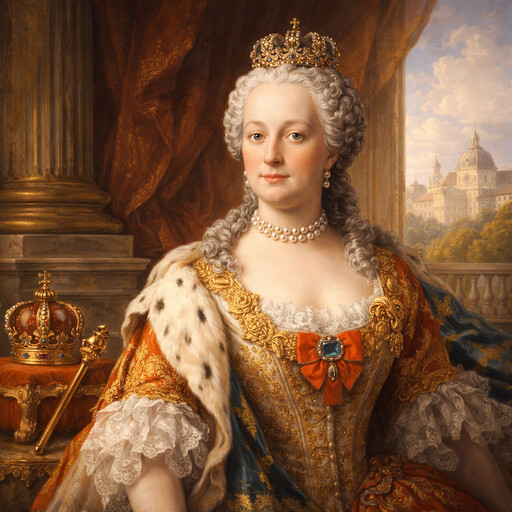
Maria Theresa
Powerful ruler of the Habsburg lands

Polish–Soviet War
War over borders after World War I

Vilnius
Historic capital city of Lithuania

Munich Agreement
1938 agreement over Czechoslovak territory
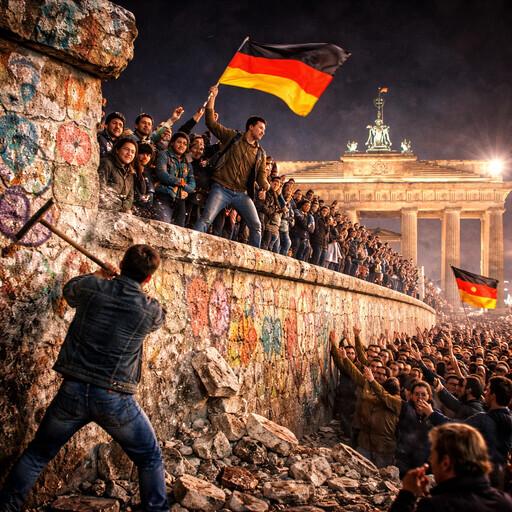
Fall of the Berlin Wall
End of Germany’s divided barrier
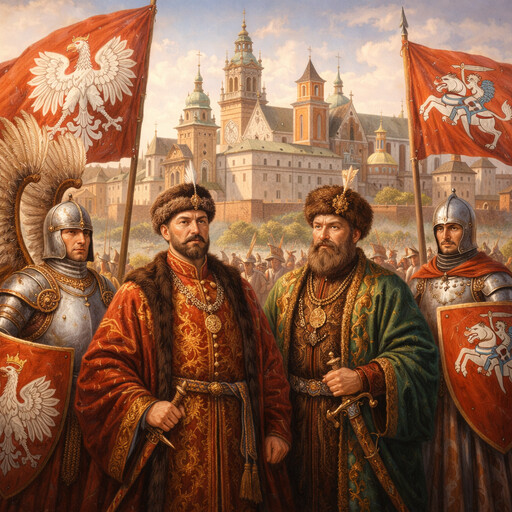
Polish–Lithuanian Commonwealth
A large early modern European state
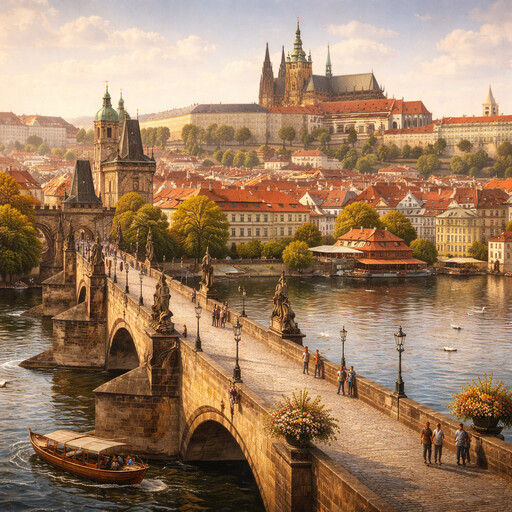
Prague
Historic capital city of the Czech Republic
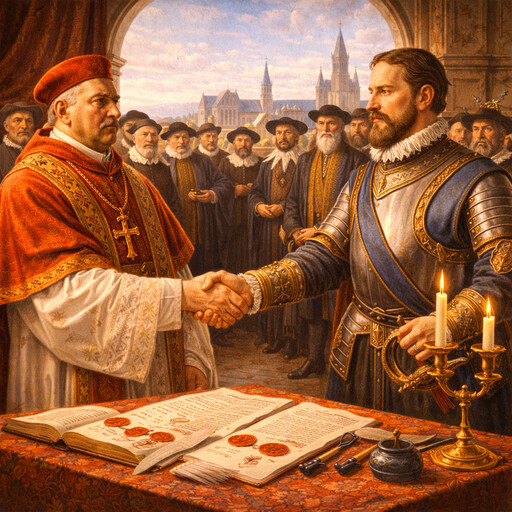
Peace of Westphalia
Treaties ending major European wars
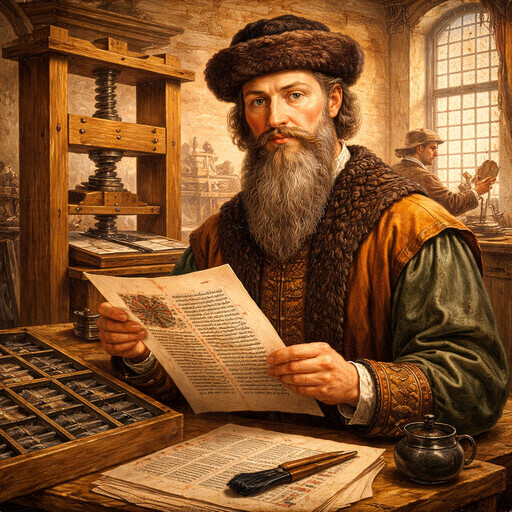
Johannes Gutenberg
Inventor of movable-type printing in Europe