Croatia stretches in a crescent along Central Europe's Adriatic coast, bordered by Slovenia, Hungary, Serbia, Bosnia and Herzegovina, and Montenegro. The Dinaric Alps run parallel to the shoreline with limestone cliffs, caves, and canyons, while thousands of islands and islets form archipelagos like Kornati and Elaphiti. Inland, the Pannonian Plain supports grain fields and vineyards, and Plitvice Lakes National Park connects terraced waterfalls through turquoise karst pools surrounded by beech and fir forests. The Dalmatian coast enjoys a Mediterranean climate, whereas Zagreb and continental regions experience snowy winters and mild summers.
Croatia is a parliamentary democracy with a president as head of state and a prime minister leading the cabinet accountable to the Sabor (parliament). Counties and city governments manage transportation, education, and cultural programs, and minority councils ensure linguistic rights in municipalities. Croatia joined the European Union in 2013, NATO in 2009, and the eurozone and Schengen Area in 2023, integrating infrastructure, customs, and environmental monitoring with neighbors.
History includes Illyrian tribes, Roman cities like Split (Diocletian's Palace), medieval Croatian kingdoms, and centuries under Venetian, Hungarian, and Habsburg influences. The 20th century brought inclusion in Yugoslavia, resistance movements during World War II, and the Homeland War of the 1990s that restored independence. Today Croatia maintains memorials and reconciliation initiatives while contributing to regional peacekeeping and cultural preservation.
The economy blends tourism, shipbuilding, pharmaceuticals, and high-tech manufacturing with agriculture and viticulture. Shipyards in Rijeka and Split build ferries and yachts, while IT hubs in Zagreb and Osijek create software for fintech and gaming. Renewable energy includes wind farms on Velebit ridges, solar projects on islands, and hydropower along the Krka and Drava Rivers. Olive groves, lavender fields, and fisheries support rural livelihoods, and infrastructure investments expand rail links from Rijeka to Central Europe.
Cultural life showcases UNESCO-listed old towns in Dubrovnik, Trogir, and Šibenik, as well as lace-making in Pag, wooden toys in Hrvatsko Zagorje, and klapa a cappella singing. Sports achievements include football clubs like Dinamo Zagreb and sailing regattas along Dalmatia. Cuisine pairs seafood brudet stew, truffles from Istria, and desserts like rozata custard, while grape varieties such as Plavac Mali trace lineage to Zinfandel. Croatia collaborates with the European Union, Adriatic-Ionian Initiative, and UN heritage agencies to protect coasts, promote sustainable tourism, and assist disaster response across the Mediterranean.
Croatia
Level
readlittle.com
Adriatic coastline of islands and innovation
What We Can Learn
- Croatia arcs from the Dinaric Alps to the Adriatic Sea with plains and lake districts.
- Parliamentary government balances president, prime minister, counties, and minority councils.
- Roman heritage, Venetian influence, and the Homeland War inform national identity.
- Tourism, shipbuilding, IT, and renewable energy reinforce economic growth and conservation.
Related Reads
No image
Monarchy
Government ruled by a royal family

Johann Gottfried Herder
German thinker of culture and language
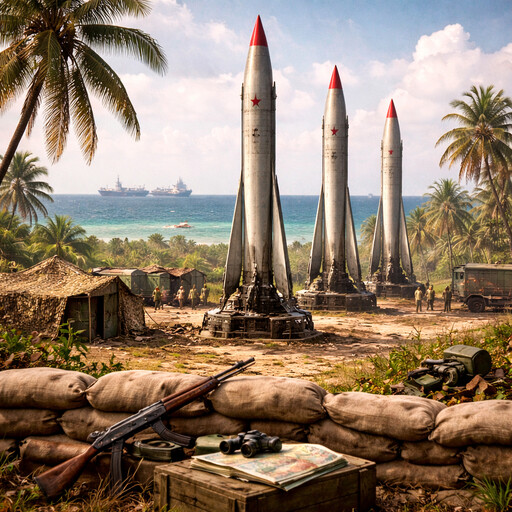
Cuban Missile Crisis
Cold War nuclear standoff in 1962
Henry Kissinger
American diplomat and foreign policy leader
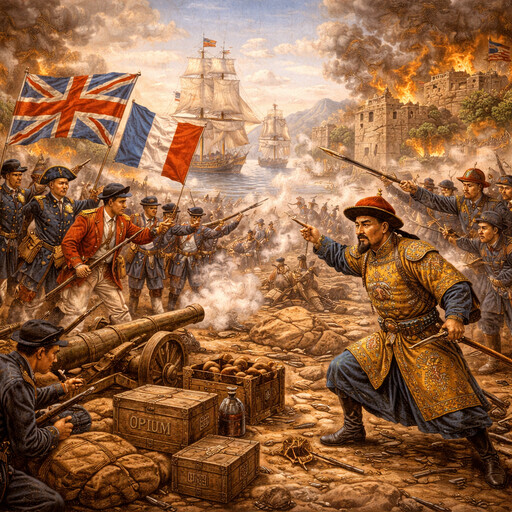
Second Opium War
Renewed conflict between China and Western powers
Ming dynasty
Chinese dynasty from 1368 to 1644
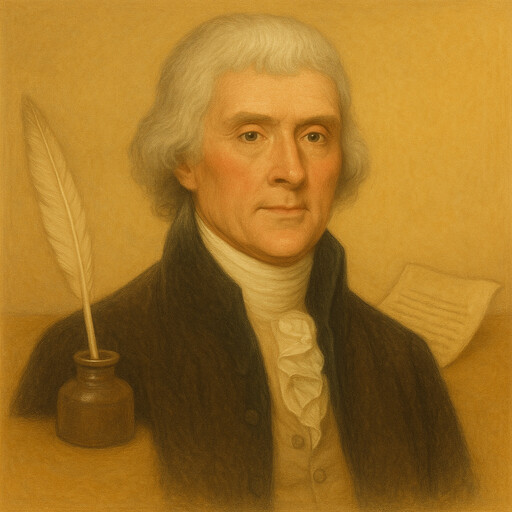
Thomas Jefferson
Author and third U.S. president
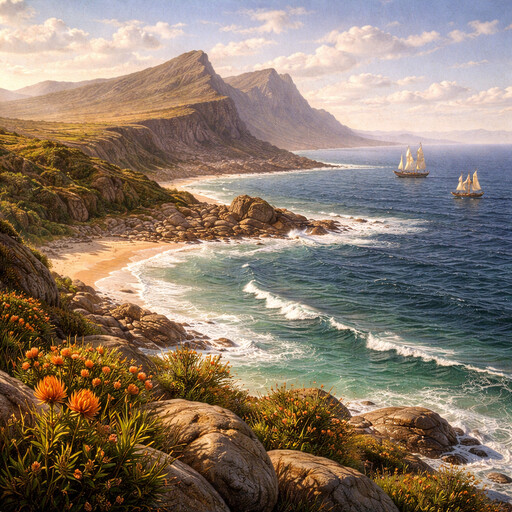
Cape of Good Hope
Southern headland of Africa
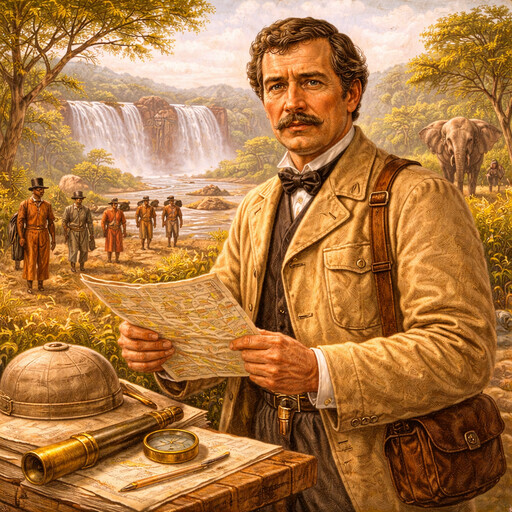
David Livingstone
Scottish explorer of Africa
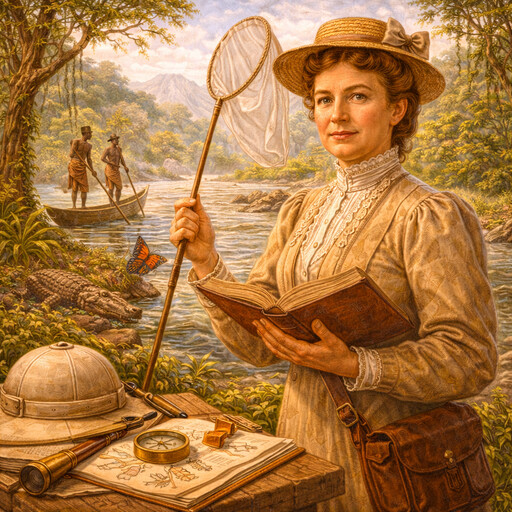
Mary Kingsley
British traveler and writer in West Africa

Louisiana Purchase
A land deal that doubled the United States

Lewis and Clark Expedition
Exploring the land west of the Mississippi