Slovenia is a small Central European nation bordered by Italy, Austria, Hungary, and Croatia, with 47 kilometers of shoreline along the Adriatic Sea near Piran. The Julian Alps dominate the northwest, showcasing Triglav National Park with high peaks, glacial valleys, and Lake Bled's island church. Karst plateaus in the southwest hide Postojna and Škocjan caves with stalactites and underground rivers, while the Drava and Mura River plains in the northeast support vineyards, hop fields, and thermal spas. Forests cover more than half the country, providing habitats for brown bears, lynx, and wildflowers that support beekeeping traditions.
Slovenia is a parliamentary republic with a president as head of state and a prime minister leading a coalition government accountable to the National Assembly. Municipalities and regions manage transport, housing, cultural programming, and waste management, and referendums enable citizens to weigh in on major policies. Slovenia is a member of the European Union, NATO, eurozone, and Schengen Area, and also participates in the Alpine Convention, Adriatic-Ionian cooperation, and United Nations peacekeeping missions.
History features Roman towns like Emona (Ljubljana), medieval duchies under the Habsburgs, and a flourishing baroque and Art Nouveau heritage. After World War I, Slovene lands joined the Kingdom of Serbs, Croats, and Slovenes, later Yugoslavia, where partisan resistance during World War II became a source of national pride. Slovenia declared independence in 1991, leading to a brief Ten-Day War before achieving international recognition and transitioning quickly to a market economy with strong civic institutions.
Slovenia's economy blends advanced manufacturing, pharmaceuticals, automotive components, and information technology with tourism, forestry, and boutique agriculture. Ljubljana hosts start-ups working on robotics, AI, and circular economy solutions, while Maribor and Celje focus on metallurgy and logistics. Renewable energy includes hydropower plants on the Drava and Soča Rivers, wind pilot projects on the Karst, and extensive solar rooftops; sustainable mobility policies promote cycling lanes, electric buses, and hydrogen-ready rail corridors. The beekeeping sector exports Carniolan honeybees, and protected designation labels support wines like Rebula and Cviček.
Cultural life showcases UNESCO-listed Škocjan caves, the mercury mining heritage of Idrija, and lace-making in Železniki. Festivals celebrate Ljubljana's summer theater, Planica ski jumping finals, and Lent Festival's music stages on the Drava. Cuisine blends Alpine and Mediterranean flavors such as potica nut roll, žlikrofi dumplings, and seafood brodet. Slovenia champions green tourism with zero-waste alpine huts, biosphere reserves, and Triglav guides who teach safe mountaineering. Diplomatically, it promotes water diplomacy through the Bled Strategic Forum, contributes to EU crisis response, and supports Western Balkan integration dialogues.
Slovenia
Level
readlittle.com
Julian Alps, karst caves, and green innovation
What We Can Learn
- Slovenia combines Julian Alps, karst caves, and a short Adriatic coast rich in forests and rivers.
- Parliamentary democracy pairs president, prime minister, and municipal councils with referendums.
- Roman heritage, Habsburg rule, Yugoslavia, and independence in 1991 shape identity.
- High-tech industries, renewable energy, beekeeping, and eco-tourism sustain the economy.
Related Reads
No image
Monarchy
Government ruled by a royal family

Johann Gottfried Herder
German thinker of culture and language
Cuban Missile Crisis
Cold War nuclear standoff in 1962
Henry Kissinger
American diplomat and foreign policy leader
Second Opium War
Renewed conflict between China and Western powers
Ming dynasty
Chinese dynasty from 1368 to 1644
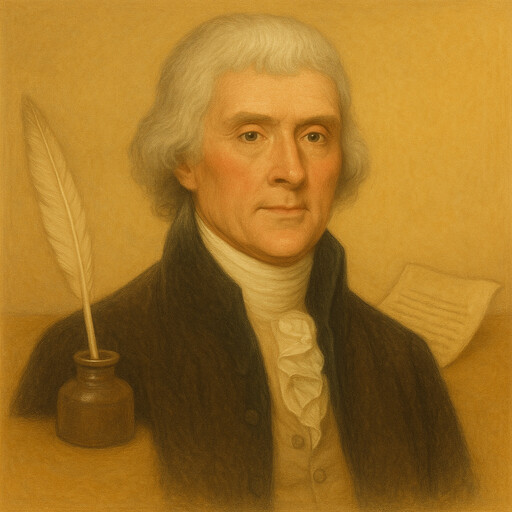
Thomas Jefferson
Author and third U.S. president
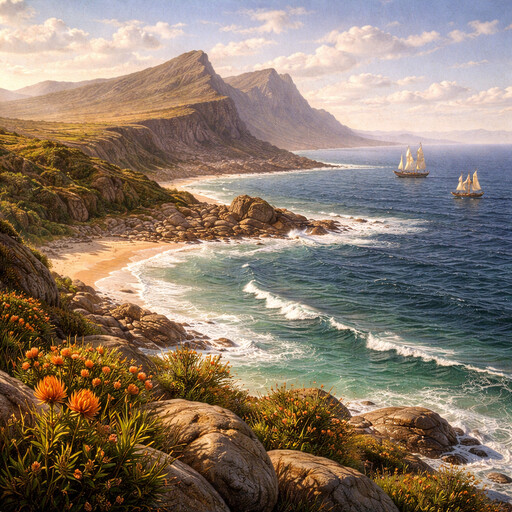
Cape of Good Hope
Southern headland of Africa
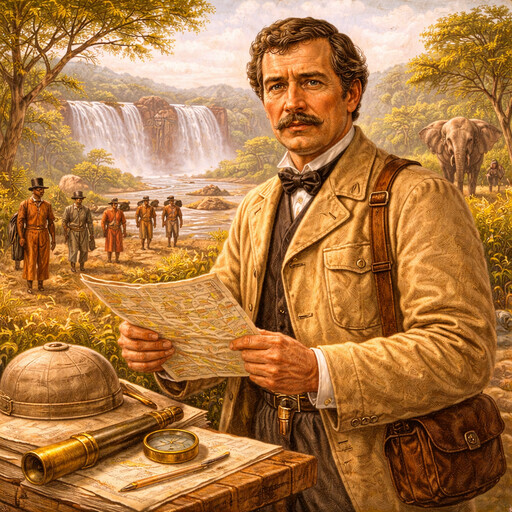
David Livingstone
Scottish explorer of Africa
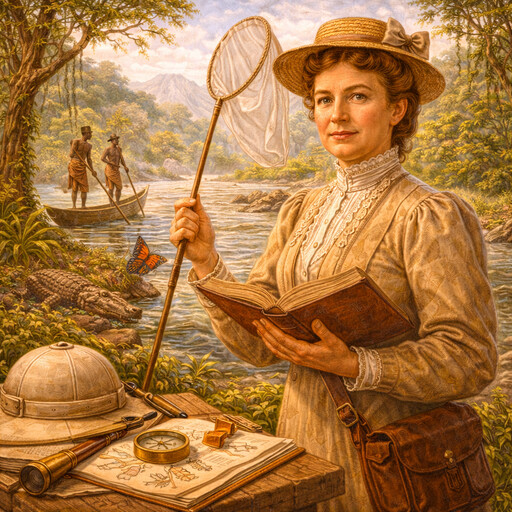
Mary Kingsley
British traveler and writer in West Africa
Louisiana Purchase
A land deal that doubled the United States

Lewis and Clark Expedition
Exploring the land west of the Mississippi