Slovakia lies in Central Europe, bordered by Czechia, Austria, Poland, Ukraine, and Hungary. The High Tatras, part of the Carpathian Mountains, feature jagged peaks, alpine meadows, and glacial lakes such as Štrbské Pleso, while the Low Tatras and Slovak Paradise national parks protect caves, canyons, and waterfalls. Southern Danube and Váh River lowlands support vineyards, orchards, and protected wetlands, and geothermal springs bubble near Piešťany and the eastern plains. Bratislava, the capital, sits along the Danube with a medieval castle, modern waterfront, and bridges linking to Austria.
Slovakia is a parliamentary republic with a president serving as head of state and a prime minister leading the government responsible to the National Council. Eight self-governing regions and municipalities oversee transport, schools, healthcare, and environmental planning, while minority councils protect Hungarian, Roma, and other linguistic rights. As a member of the European Union, NATO, eurozone, and Schengen Area, Slovakia cooperates on security, research, and climate initiatives across the Danube Basin.
History includes Great Moravia, medieval Hungarian rule, and fortified castles guarding trade routes through the Carpathians. Towns like Banská Štiavnica grew from silver mining, and wooden churches in the east display Carpathian craftsmanship. After World War I, Slovakia joined Czechoslovakia, endured occupation during World War II, and helped lead the Velvet Revolution of 1989 that restored democracy. The peaceful dissolution in 1993 created the Slovak Republic, which has since focused on market reforms, EU integration, and cross-border cooperation.
Slovakia's economy blends automotive assembly plants, battery and electronics manufacturing, and aerospace components with agriculture, forestry, and tourism. Global carmakers operate factories near Bratislava, Žilina, and Nitra, while research parks in Košice and Trenčín incubate cybersecurity, robotics, and creative media. Hydropower plants on the Danube and Váh supply electricity, and wind, solar, and geothermal projects expand the renewable mix. The country invests in smart rail corridors, digital public services, and hydrogen pilot programs to meet climate targets.
Cultural life features folk music, fujara overtone flutes recognized by UNESCO, and painted village houses in Čičmany. Festivals celebrate bryndzové halušky dumplings, harvest dances, and contemporary film in Karlovy Vary partnership events. Outdoor recreation ranges from skiing in Jasná and climbing Gerlachovský štít to cycling along the Danube trail. Slovak artists like Ľudovít Štúr and modern poets influence language reforms, and the country contributes to United Nations peacekeeping, Visegrád Group dialogues, and Carpathian biodiversity projects focused on lynx corridors and old-growth forests.
Slovakia
Level
readlittle.com
Carpathian heart of castles, caves, and innovation
What We Can Learn
- Slovakia spans the High Tatras, Danube lowlands, and UNESCO caves within the Carpathians.
- Parliamentary democracy balances president, prime minister, and regional councils.
- Great Moravia, Czechoslovakia, and the Velvet Revolution inform national history.
- Automotive plants, technology clusters, and renewable energy underpin a culturally vibrant society.
Related Reads
No image
Monarchy
Government ruled by a royal family

Johann Gottfried Herder
German thinker of culture and language
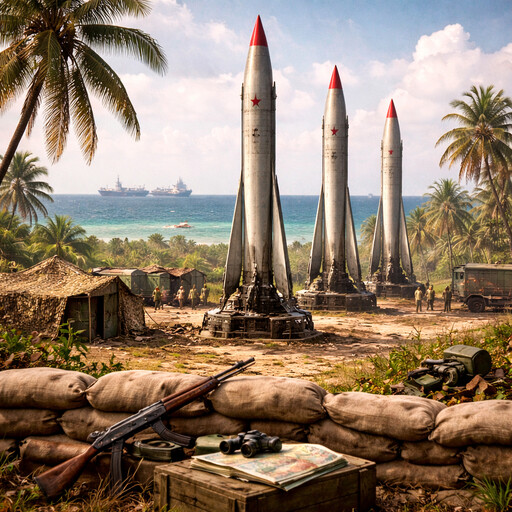
Cuban Missile Crisis
Cold War nuclear standoff in 1962
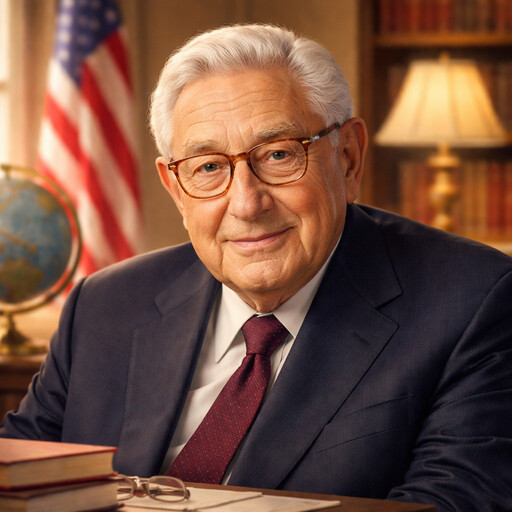
Henry Kissinger
American diplomat and foreign policy leader
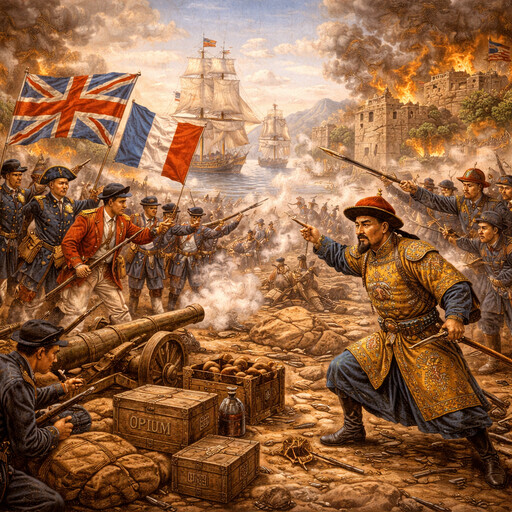
Second Opium War
Renewed conflict between China and Western powers
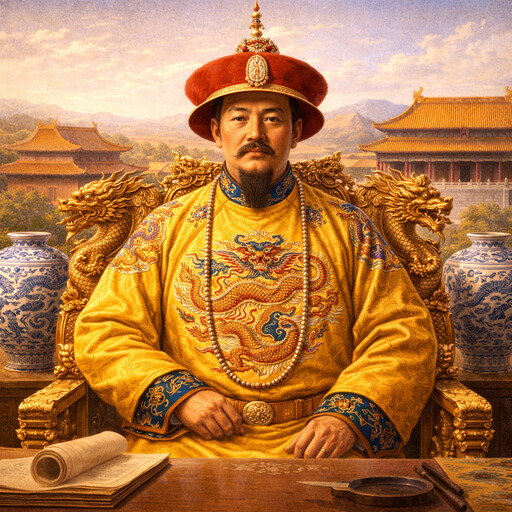
Ming dynasty
Chinese dynasty from 1368 to 1644
Thomas Jefferson
Author and third U.S. president
Cape of Good Hope
Southern headland of Africa
David Livingstone
Scottish explorer of Africa
Mary Kingsley
British traveler and writer in West Africa
Louisiana Purchase
A land deal that doubled the United States

Lewis and Clark Expedition
Exploring the land west of the Mississippi