Czech Republic lies landlocked between Germany, Poland, Austria, and Slovakia, encompassing the historic regions of Bohemia, Moravia, and Czech Silesia. Rolling highlands, sandstone cliffs, and river basins define the landscape, while the Vltava and Elbe Rivers cut through Prague before flowing north to the North Sea. National parks protect spruce forests in Šumava and sandstone towers in Bohemian Switzerland, and the Moravian Karst hides underground caves, gorges, and subterranean rivers carved by limestone erosion.
Czechia is a parliamentary republic with a president serving as head of state and a prime minister leading the government accountable to the Chamber of Deputies and Senate. Regions and municipalities oversee transport, education, and cultural heritage, and courts uphold a constitution rooted in democratic principles. The country is part of the Visegrád Group, European Union, and NATO, emphasizing cooperation across Central Europe.
History includes Great Moravian states, Bohemian kingdoms under Přemyslid and Luxembourg dynasties, and the cultural flowering of Charles University in the 14th century. Hussite reformers, Habsburg rule, and the Austro-Hungarian Empire left architectural layers that survived into the 20th century, when Czechoslovakia formed after World War I. The Velvet Revolution of 1989 peacefully ended communist rule, and the Velvet Divorce of 1993 created the modern Czech Republic while maintaining close ties with Slovakia.
The Czech economy blends automotive production, aerospace components, precision machine tools, and nanotechnology with energy innovation and Moravian wine. Breweries in Plzeň and České Budějovice anchor a storied beer tradition, while research parks around Prague and Brno incubate cybersecurity, AI, and medical devices. Glassmakers in the Jizera Mountains produce crystal exports, and spa towns such as Karlovy Vary attract wellness tourism. Investments in rail electrification and solar parks support climate goals, complementing nuclear reactors at Temelín and Dukovany.
Cultural life features Gothic cathedrals, Renaissance town squares, and UNESCO-listed treasures like Český Krumlov. Composers such as Antonín Dvořák and writers like Franz Kafka influence global arts, while film festivals in Karlovy Vary celebrate international cinema. Traditions include Easter egg painting, folk dances in Moravia, and glass ornament making. Czech diplomacy promotes science, cybersecurity, and human rights within the European Union, United Nations, and regional partnerships.
Czech Republic
Level
readlittle.com
Central European heartland of castles and innovation
What We Can Learn
- Czechia encompasses Bohemia, Moravia, and Czech Silesia with rivers, forests, and karst caves.
- A parliamentary republic with president and prime minister operates through bicameral legislature and regional administrations.
- Velvet Revolution and Velvet Divorce defined modern democracy after centuries of dynastic rule.
- Automotive manufacturing, brewing, glassmaking, and research parks power the economy alongside cultural tourism.
Related Reads
No image
Monarchy
Government ruled by a royal family

Johann Gottfried Herder
German thinker of culture and language
Cuban Missile Crisis
Cold War nuclear standoff in 1962
Henry Kissinger
American diplomat and foreign policy leader
Second Opium War
Renewed conflict between China and Western powers
Ming dynasty
Chinese dynasty from 1368 to 1644
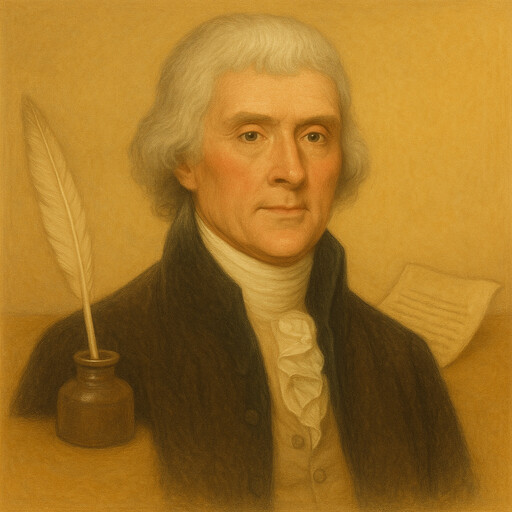
Thomas Jefferson
Author and third U.S. president
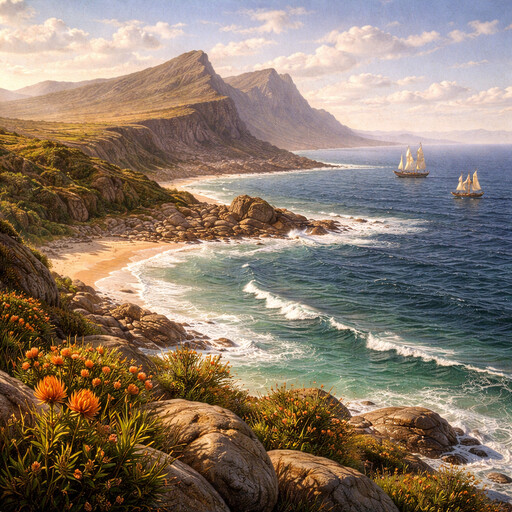
Cape of Good Hope
Southern headland of Africa
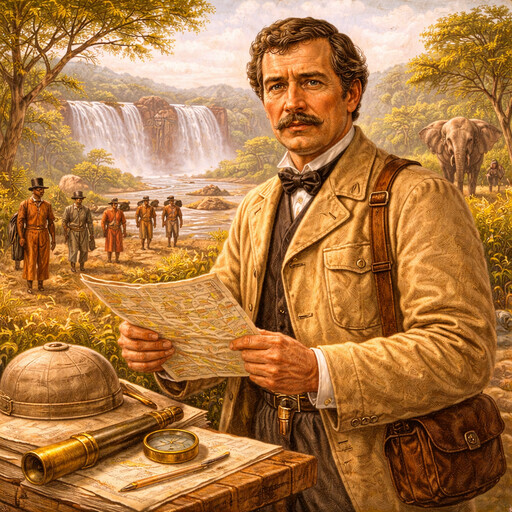
David Livingstone
Scottish explorer of Africa
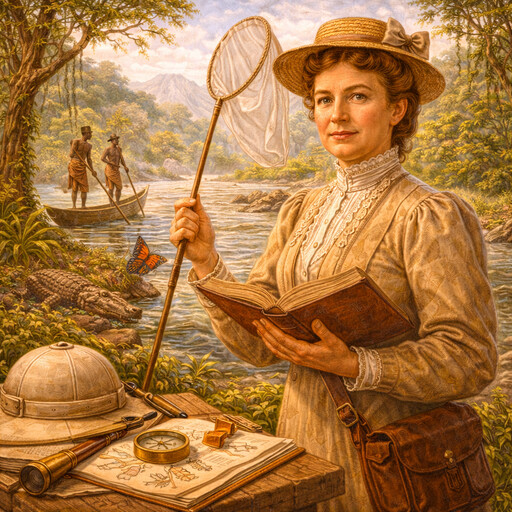
Mary Kingsley
British traveler and writer in West Africa
Louisiana Purchase
A land deal that doubled the United States

Lewis and Clark Expedition
Exploring the land west of the Mississippi